



Directed by Laura Ulloa, BfNA explores and designs for the reciprocal dynamics between environments, cognition and collective adaptation.

Teaching and Building Neural Earthen Architecture
Design-build / Teaching / Research
Hangzhou
China
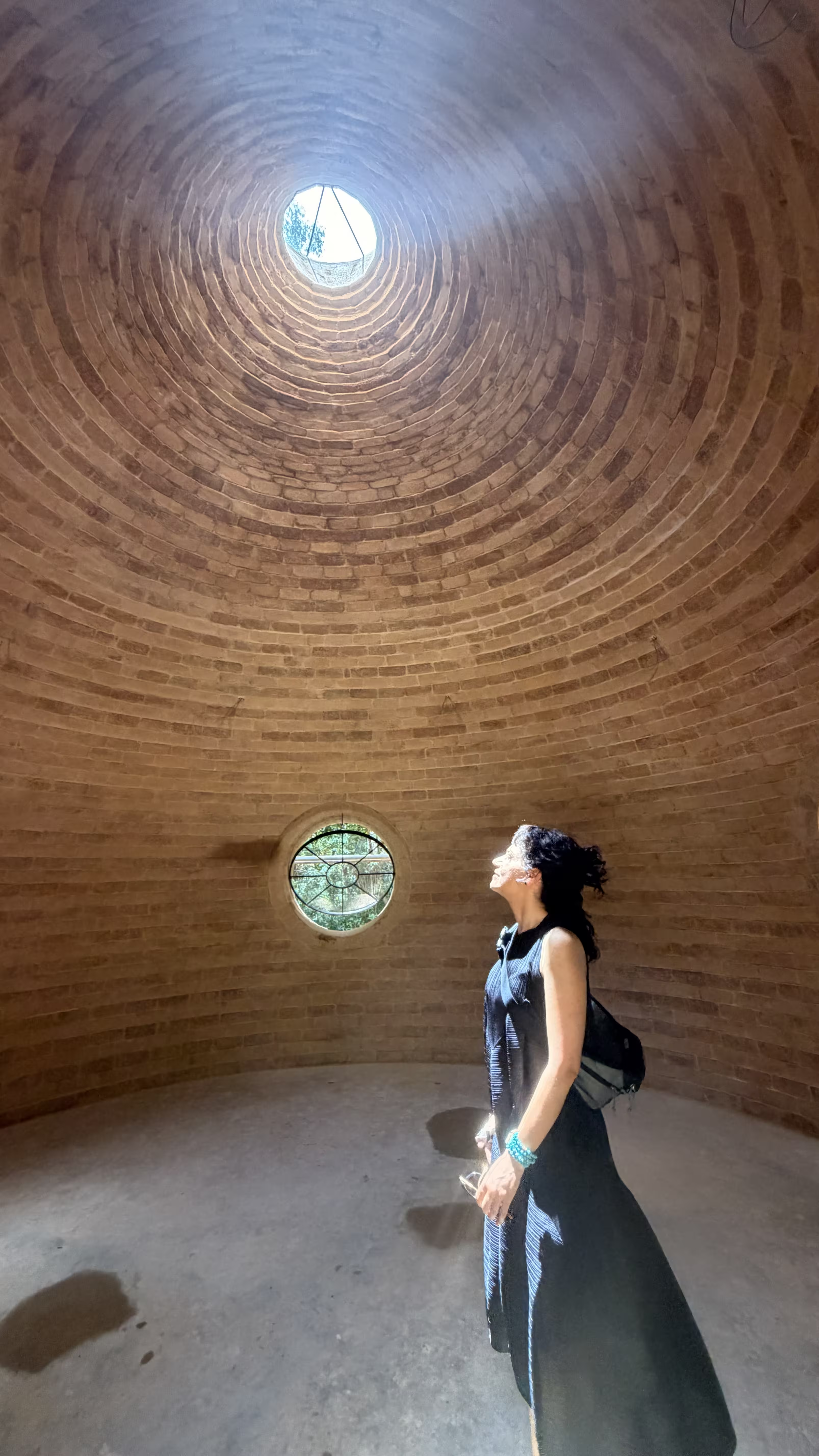
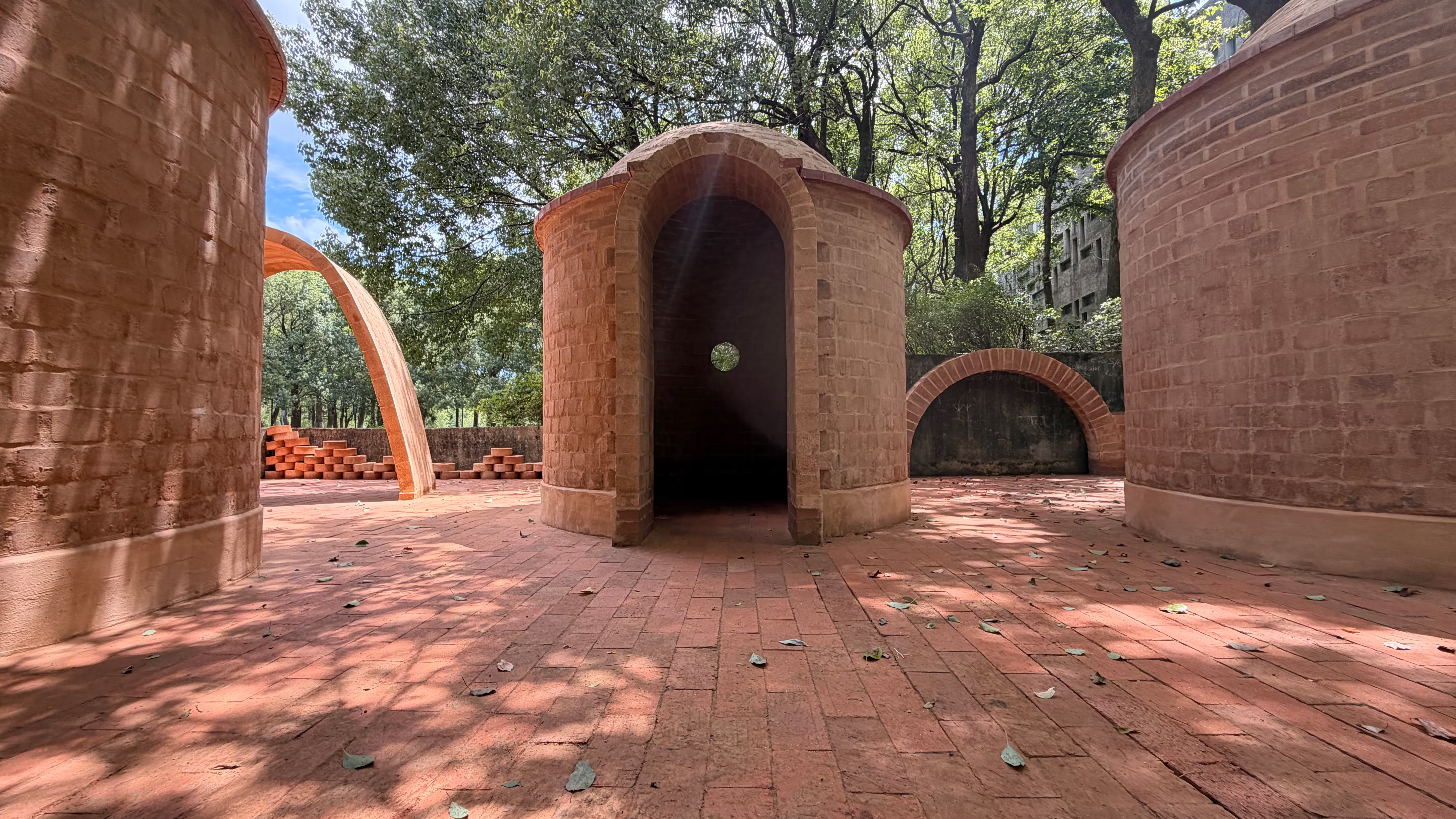
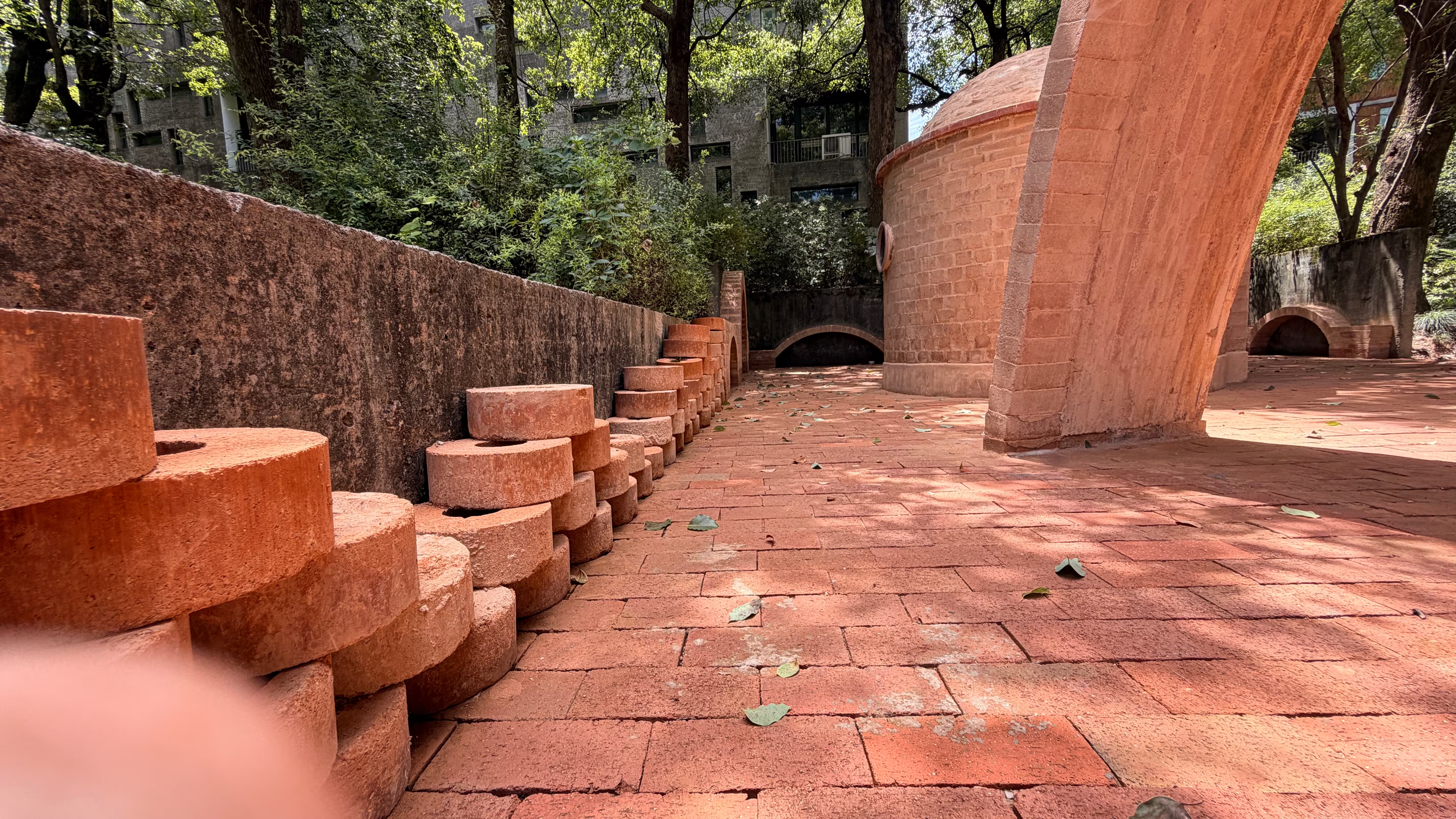
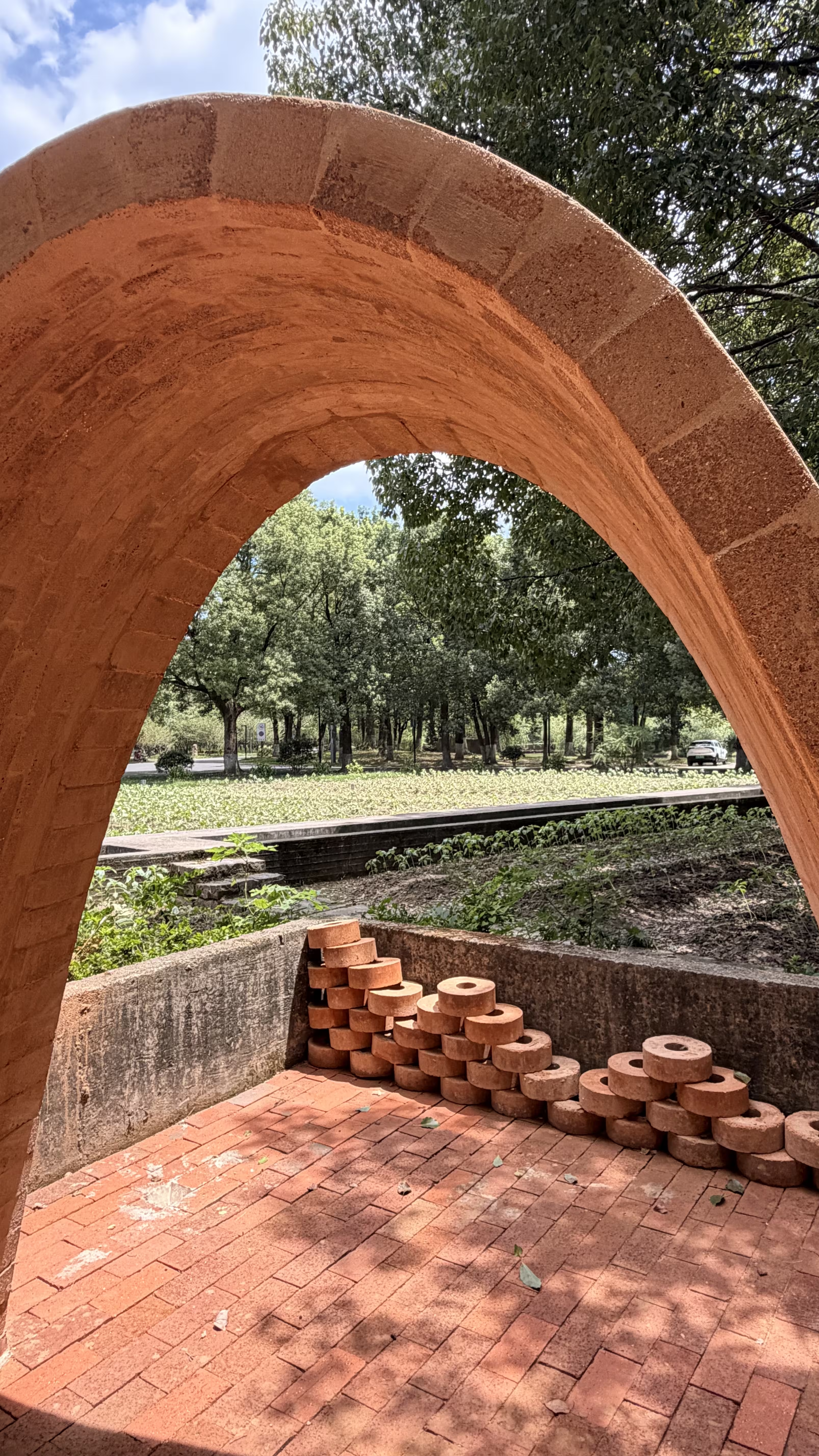
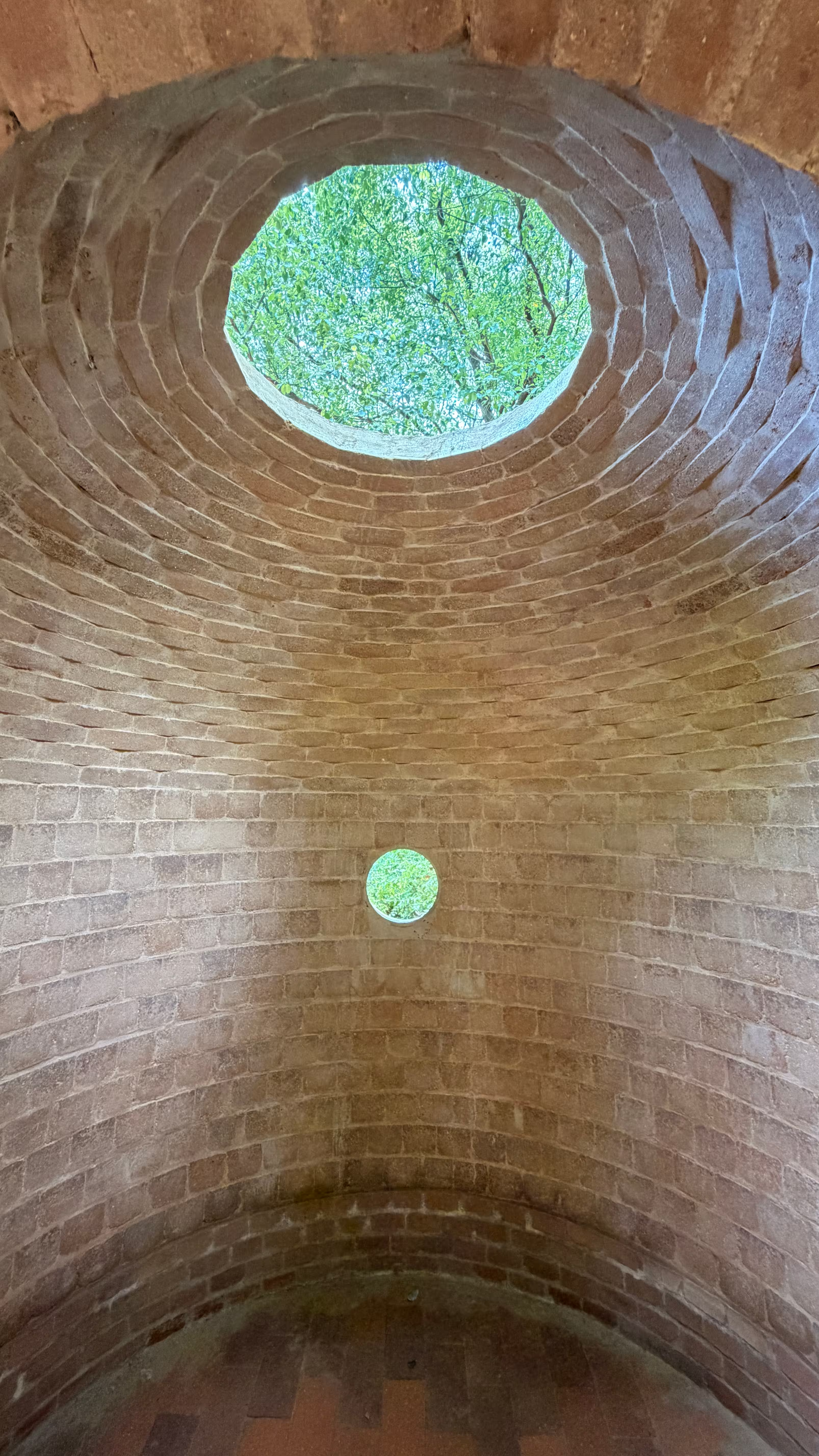
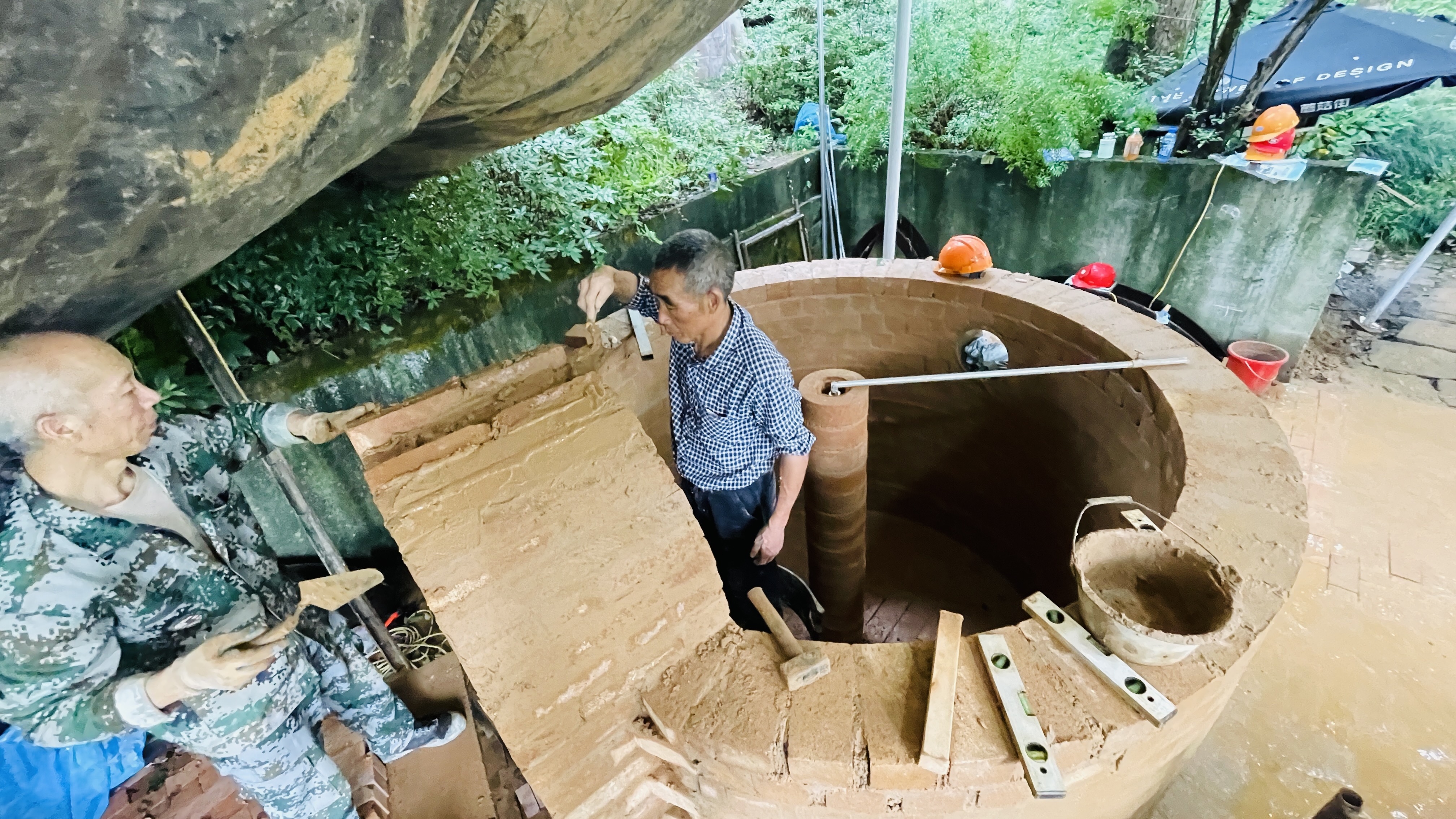
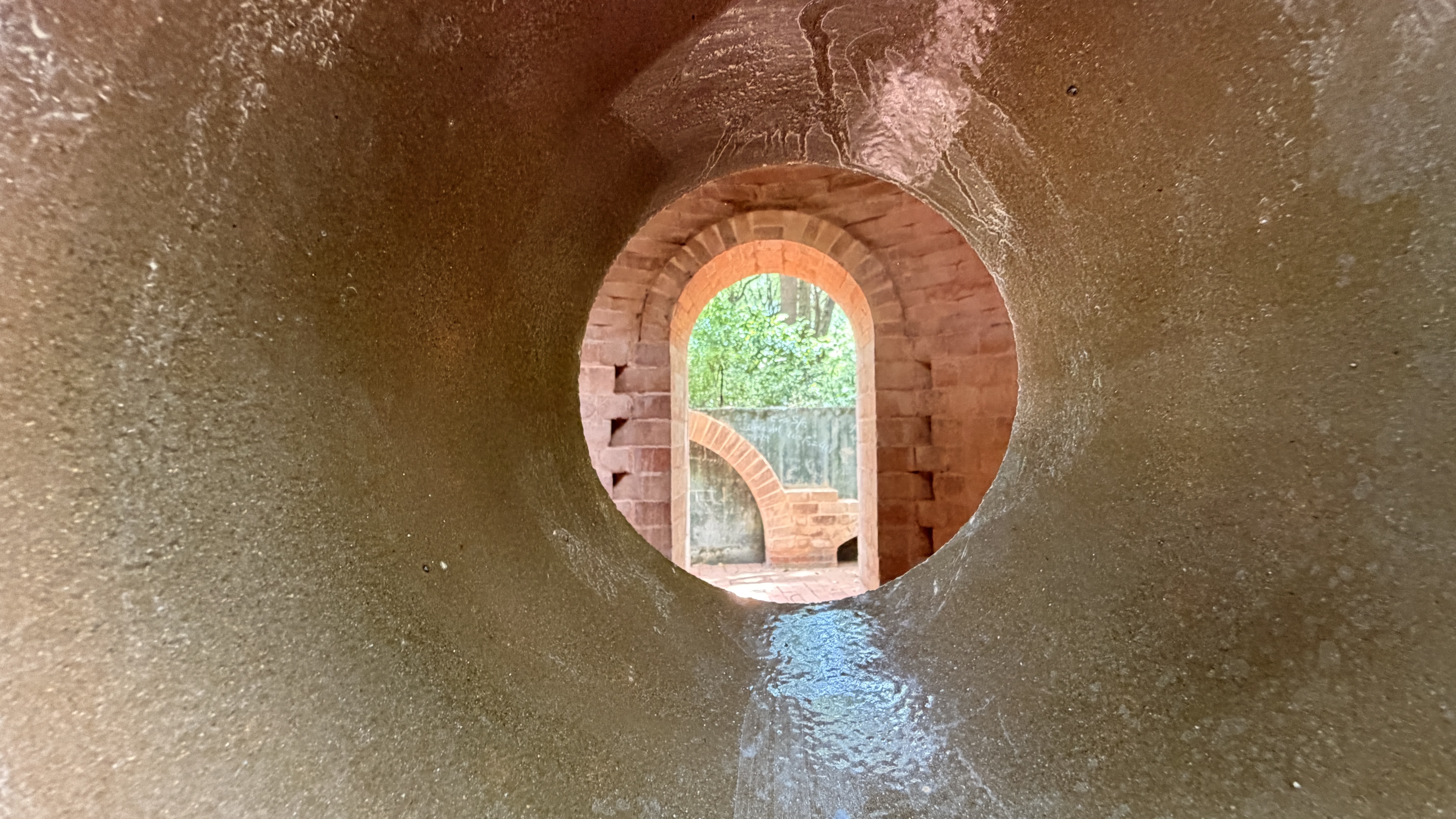
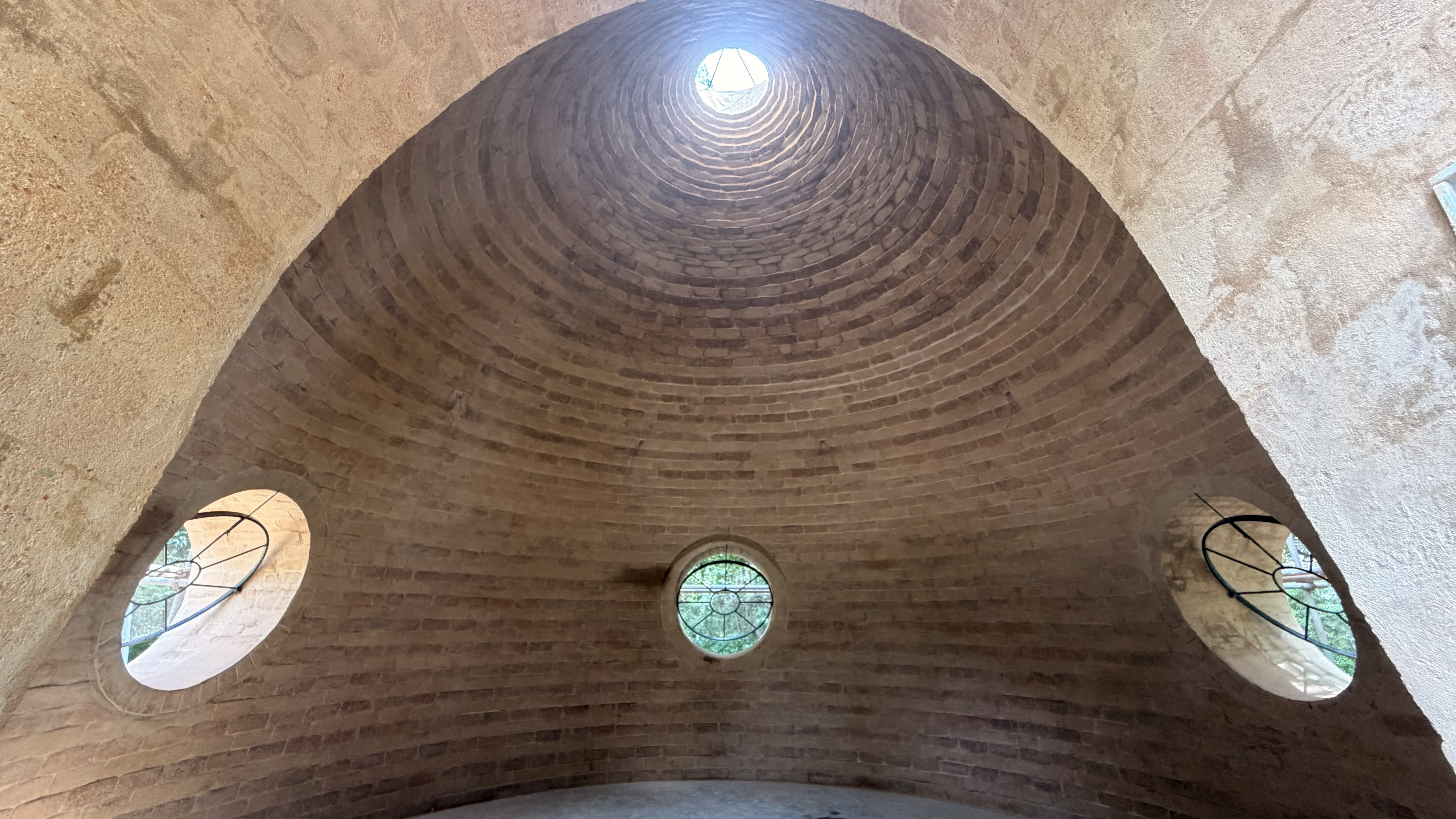
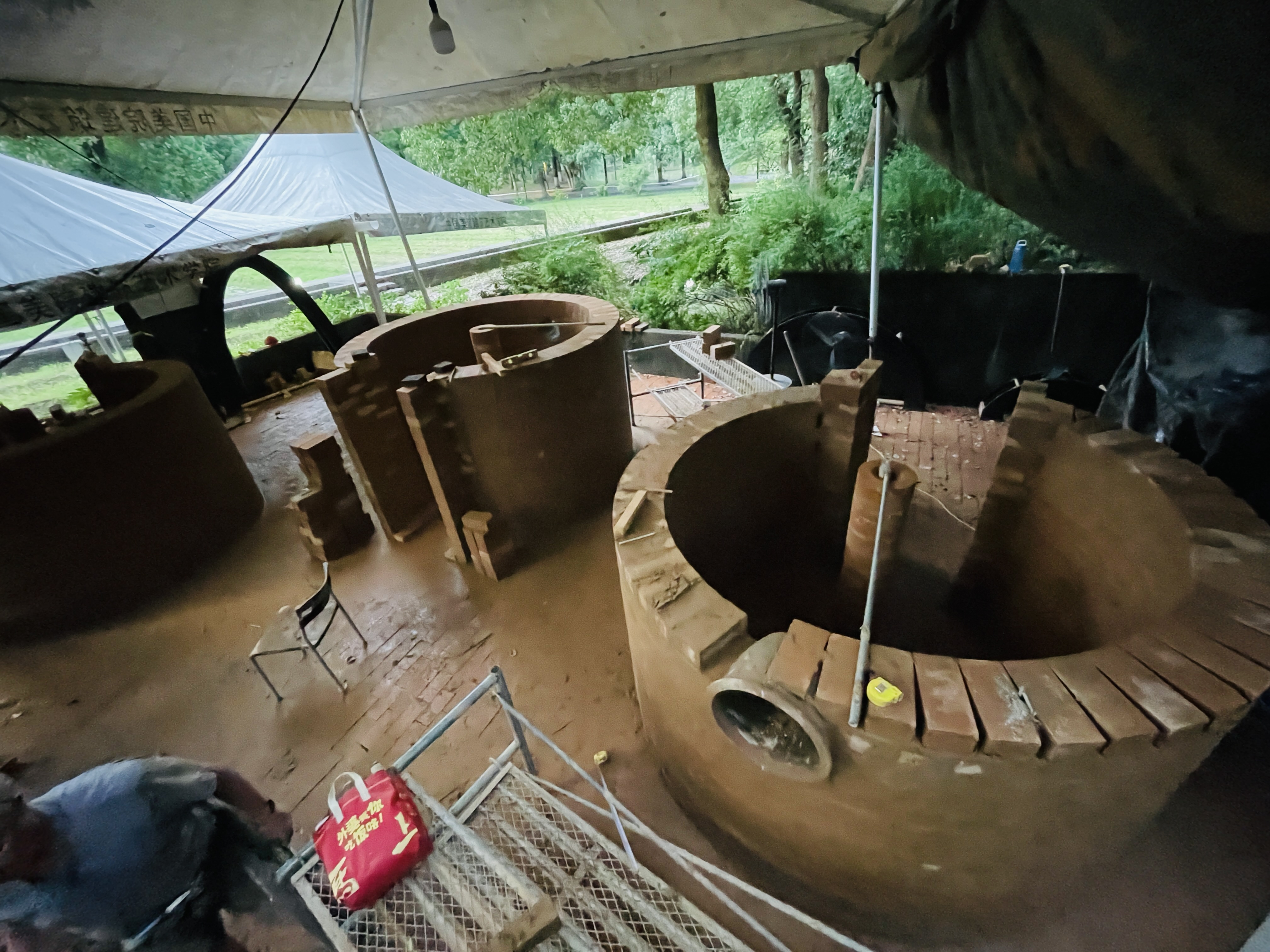
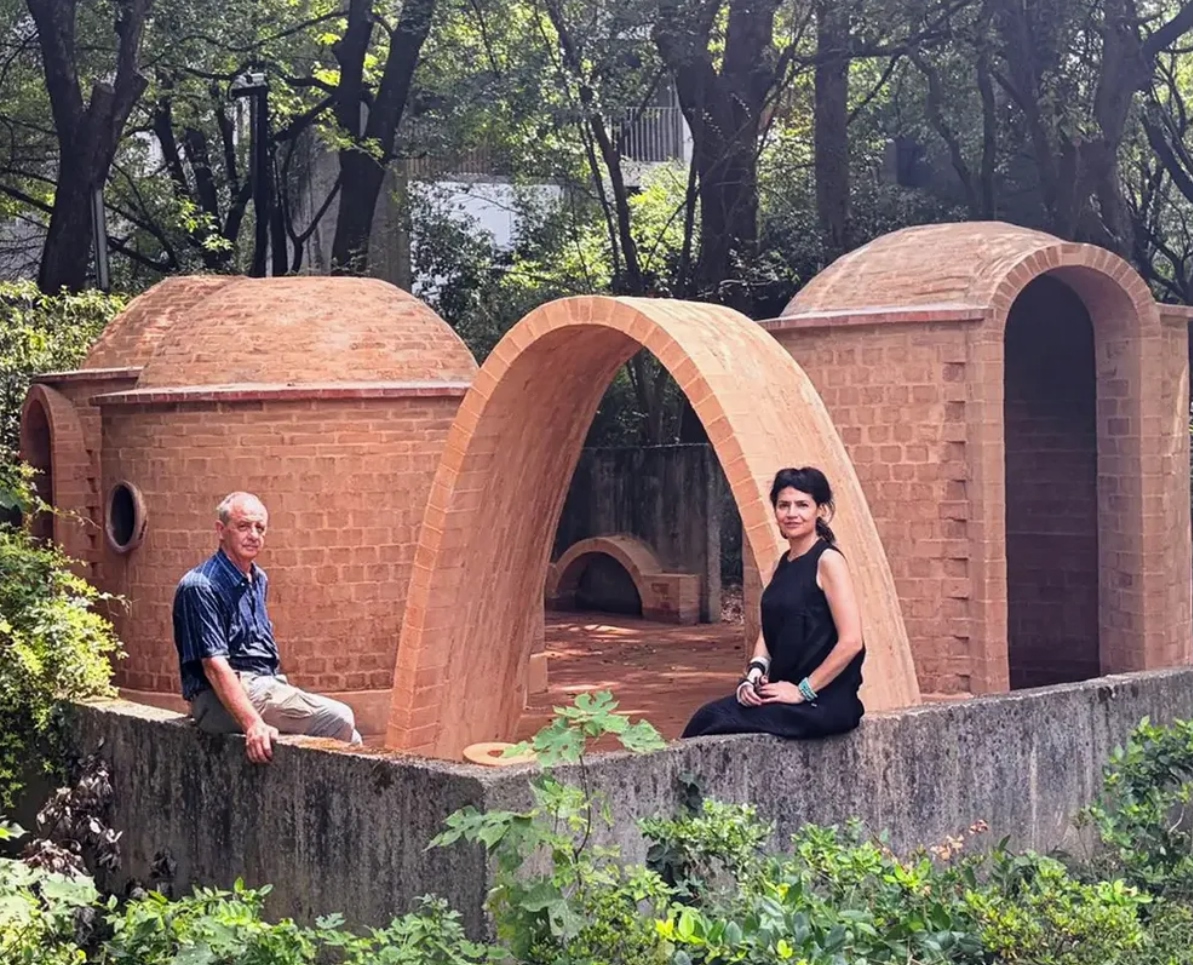
CSEB -> 6 m diameter pointed dome / 5.75 m high + arches, vault and three 2.5 m domes
m²
China Academy of Art / Auroville Earth Institute / BfNA
Ongoing / Teaching Initiative
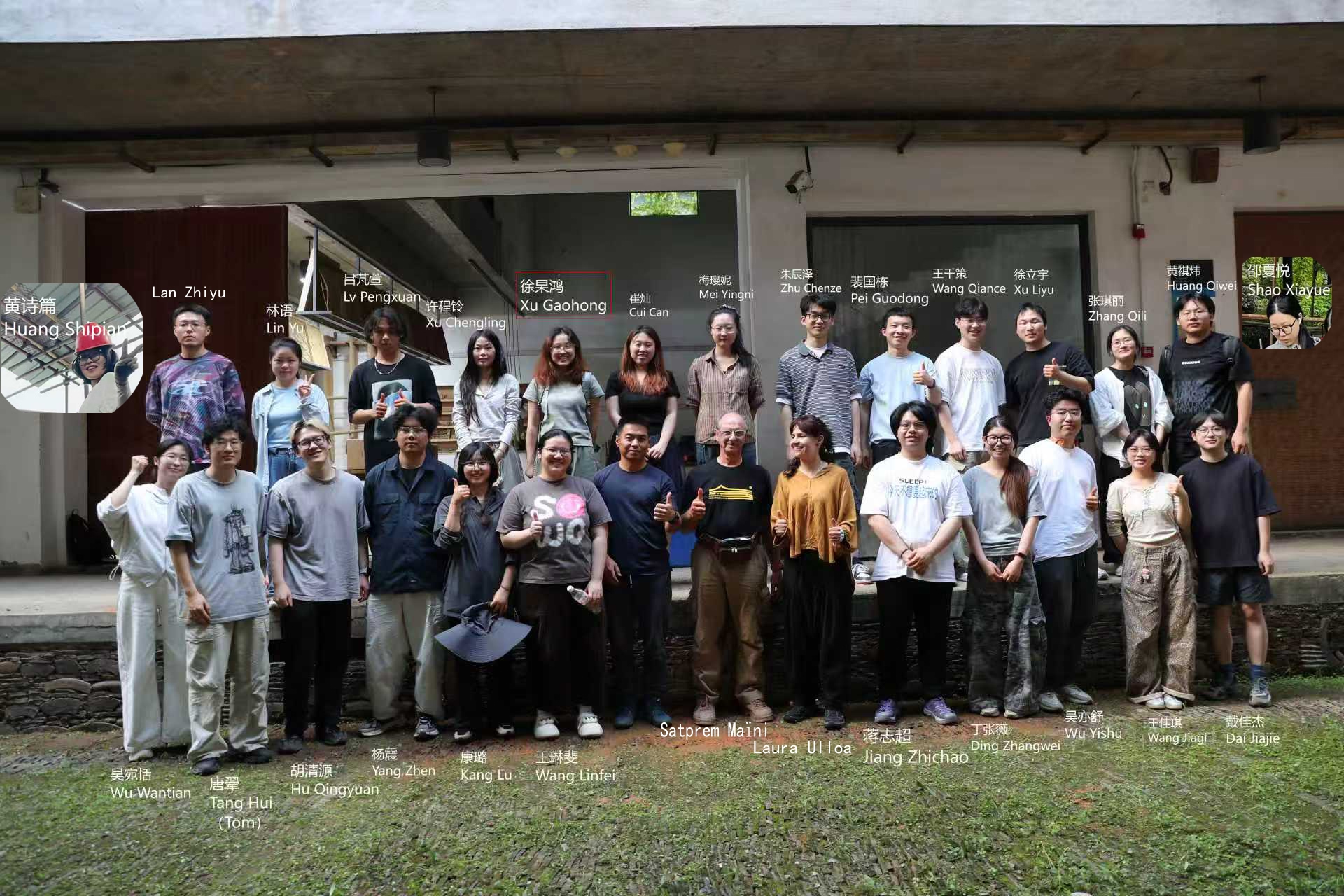
BfNA + Auroville Earth Institute in China Academy of Art Hangzhou / China / 108 students
[Summary]
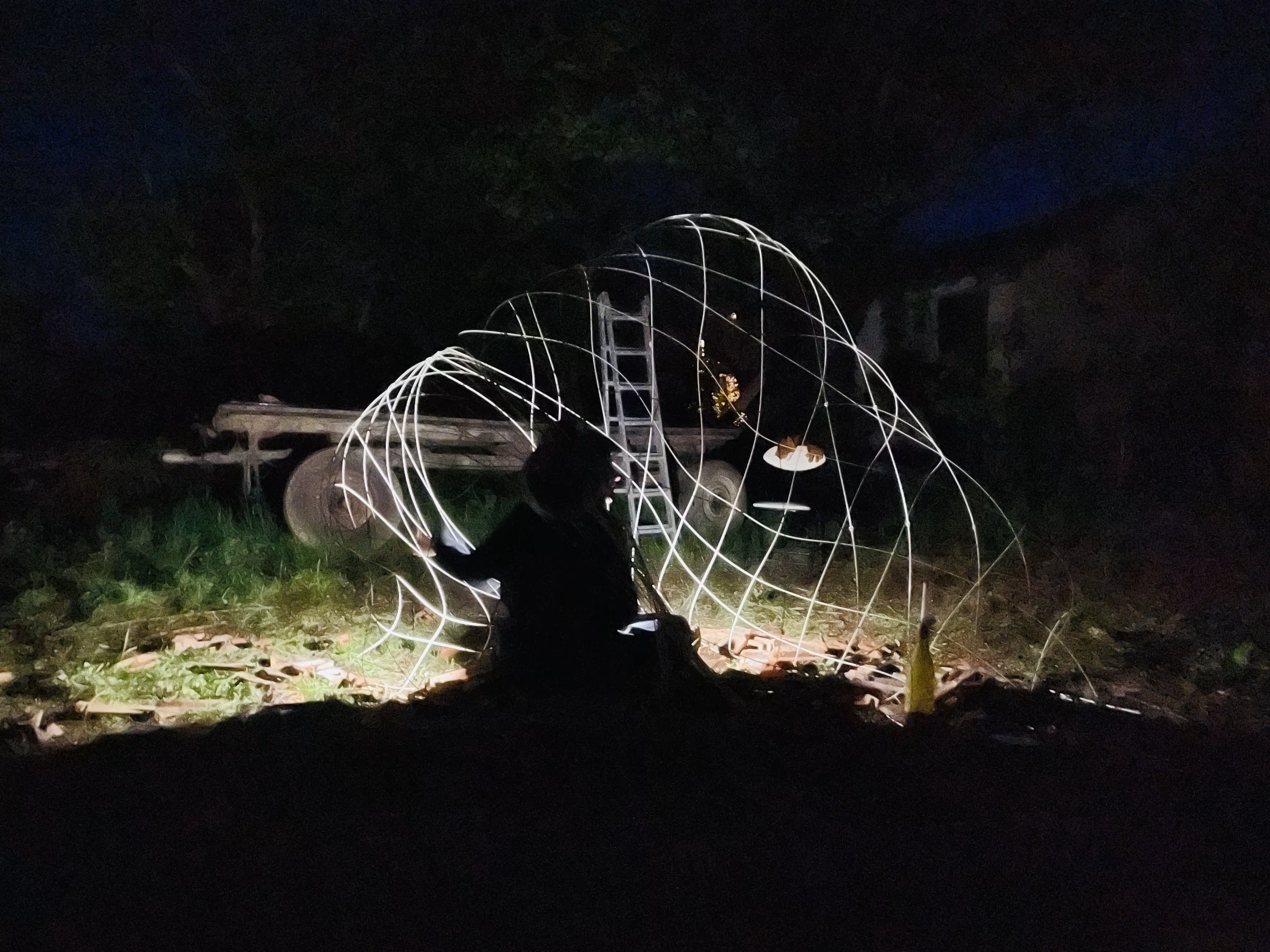
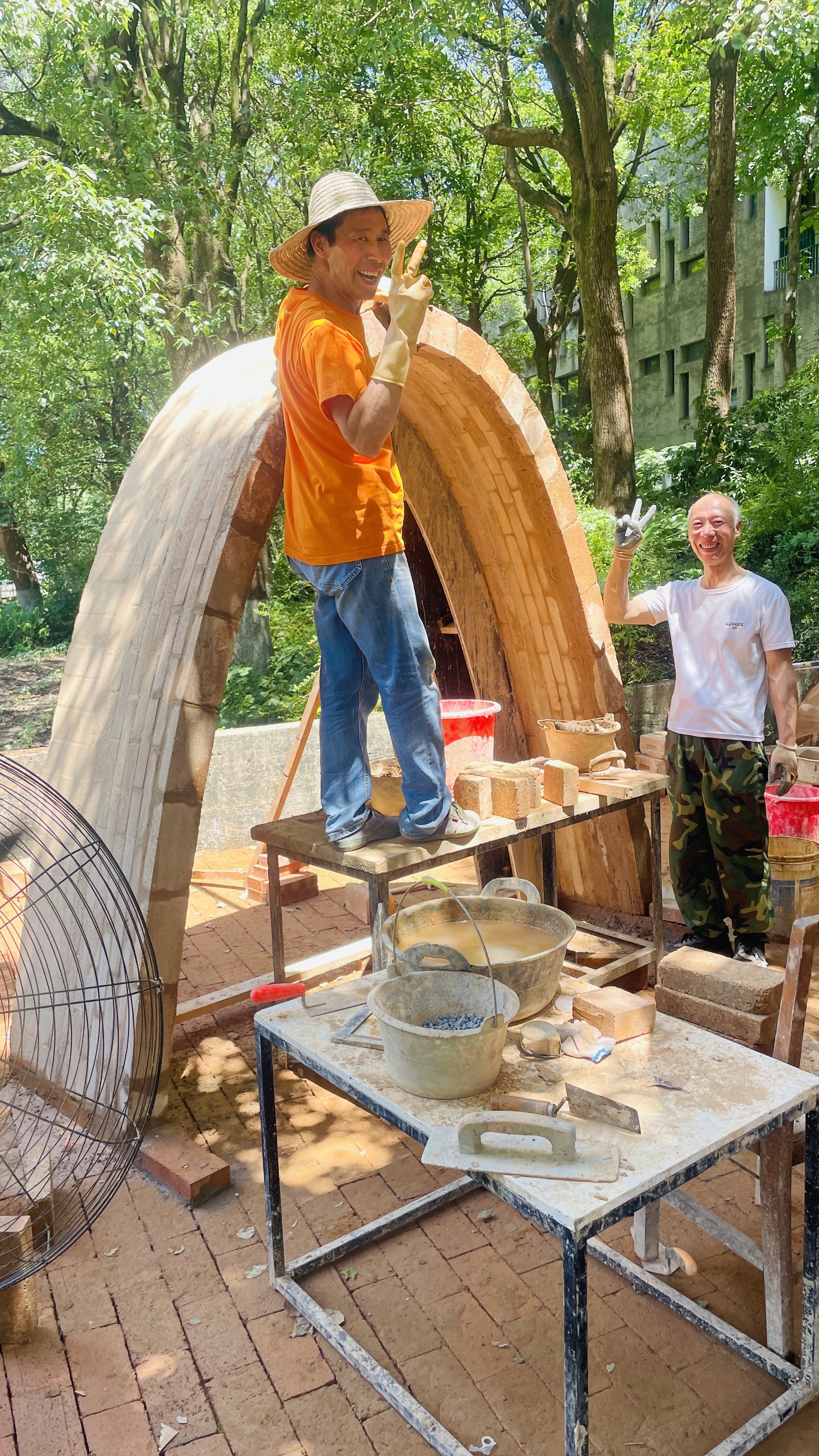
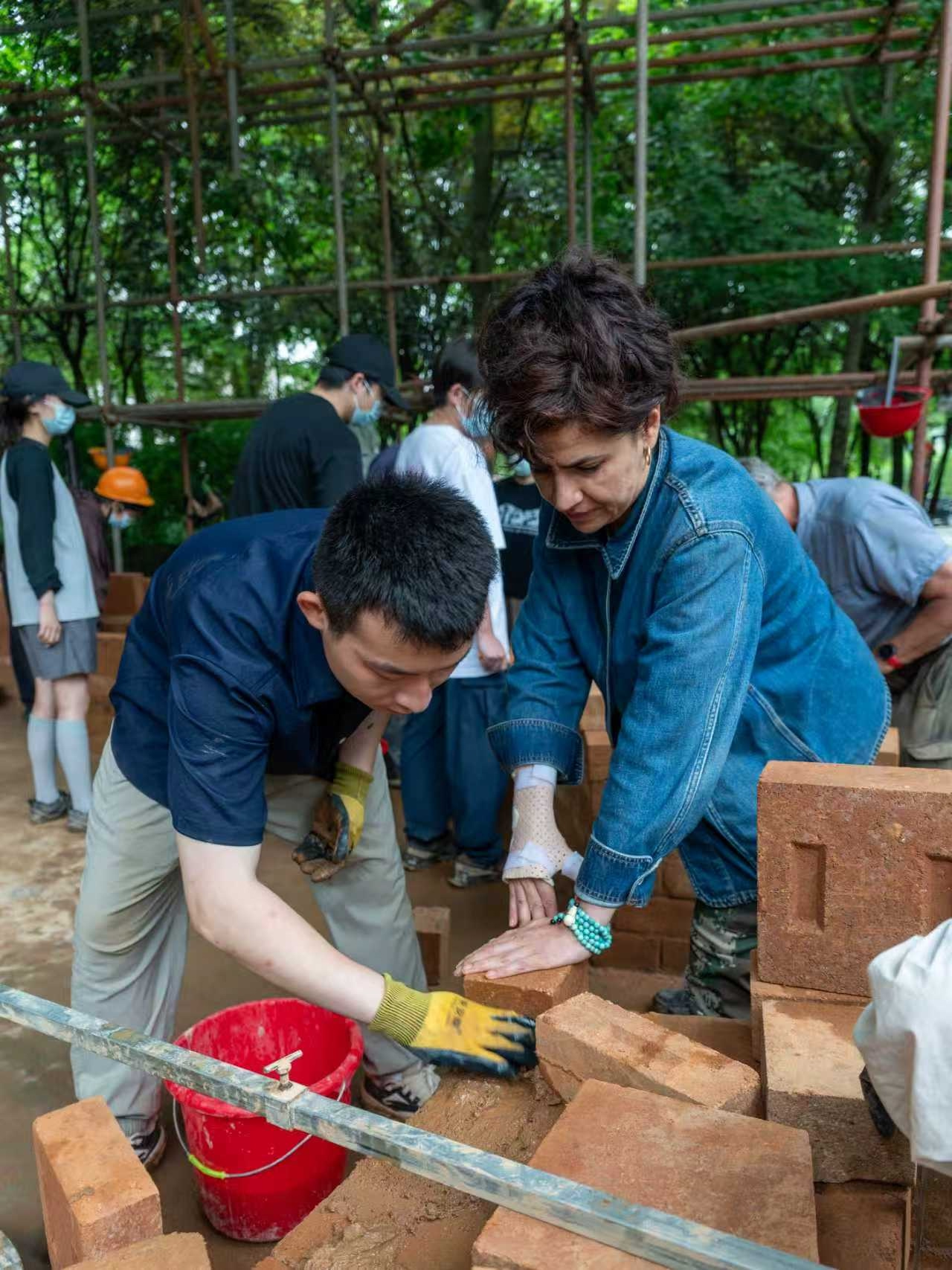
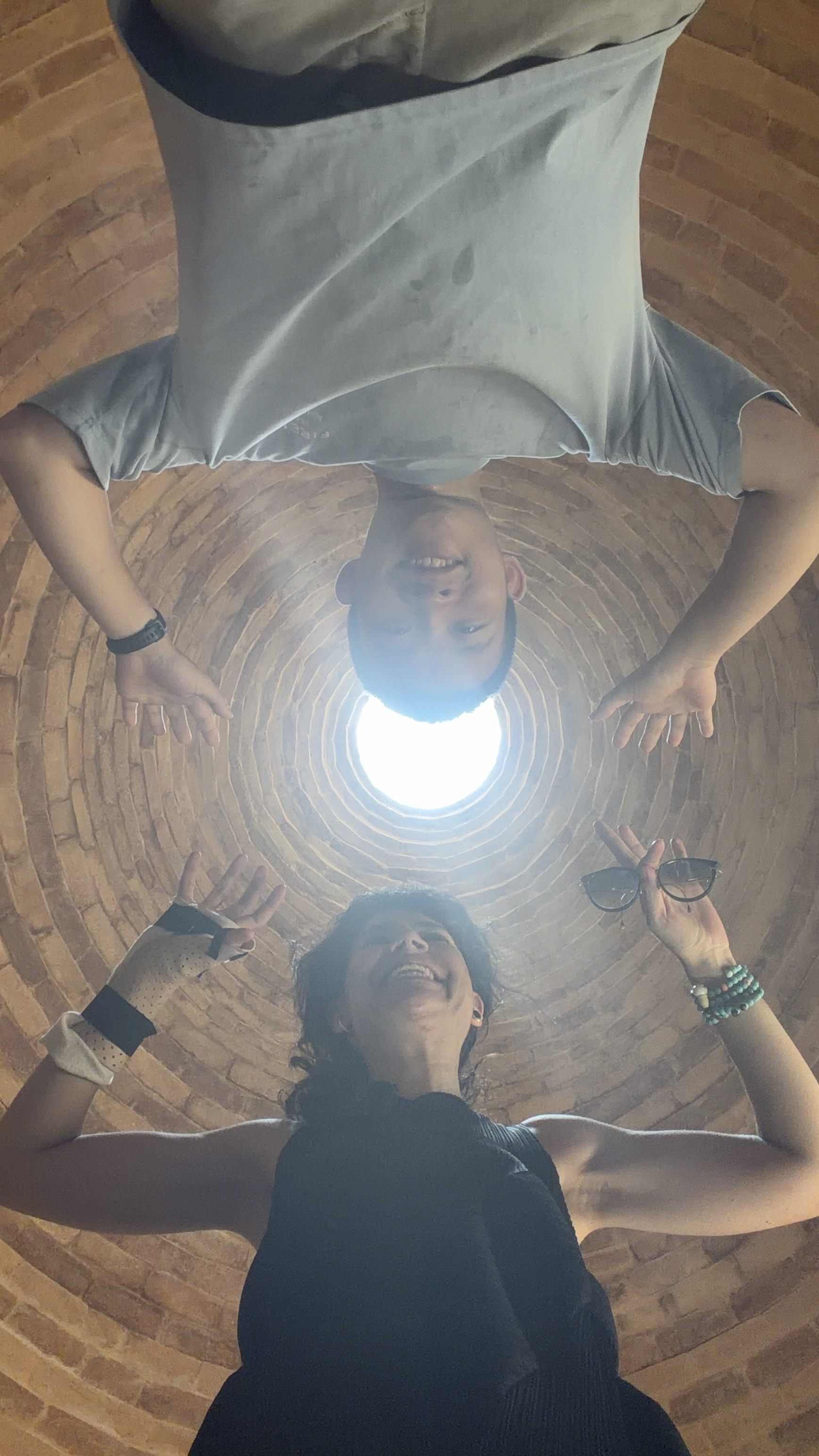
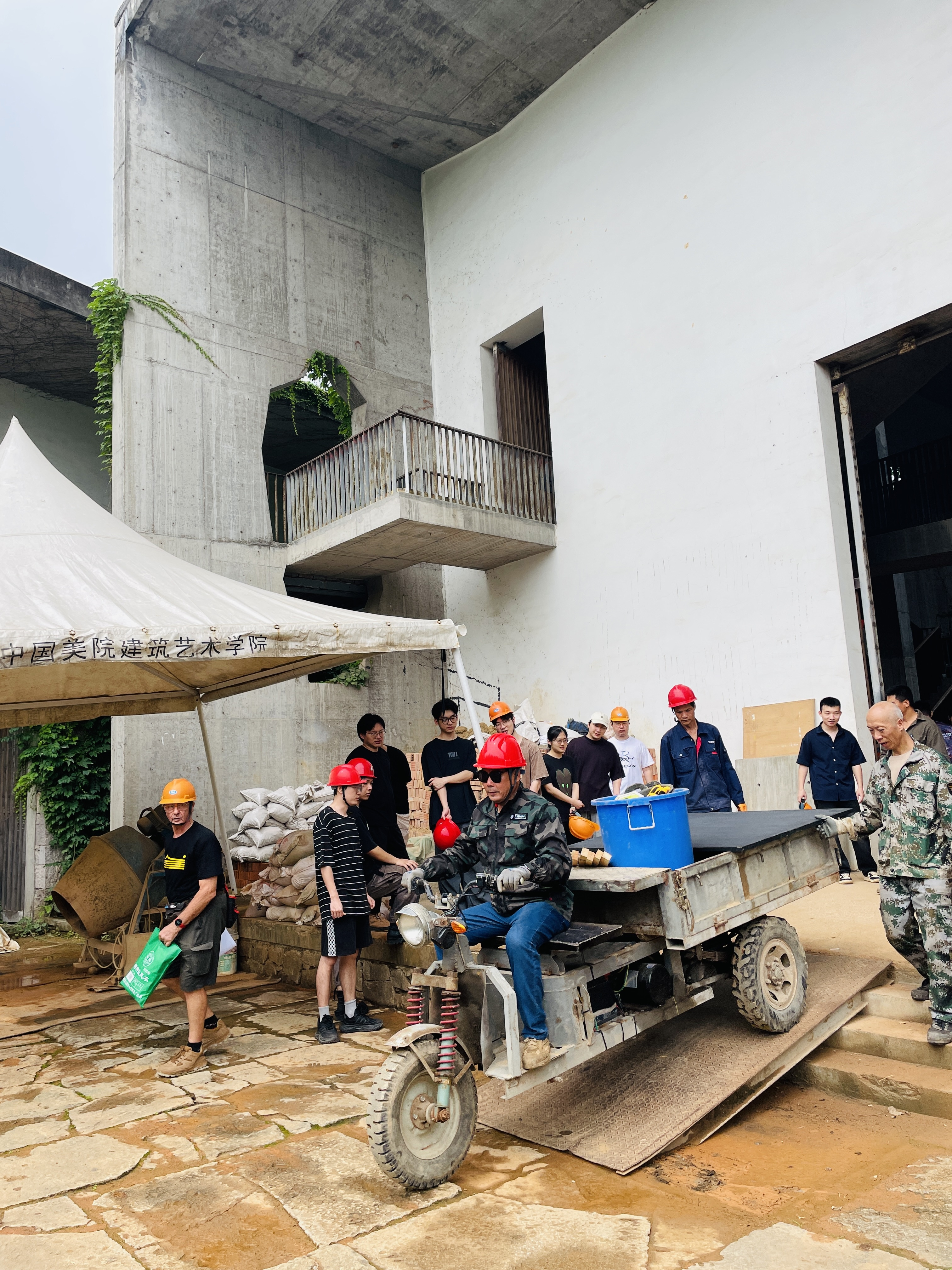
Introduction to Neural Earthen Architecture - a six-week CSEB design-build programme where neural theory, earth construction, collective praxis and future inhabitation measurements become one pedagogical laboratory. 1x6 m Dome + 3x2.5m Domes + Arches + Vaults -> neural activity during
[Team]
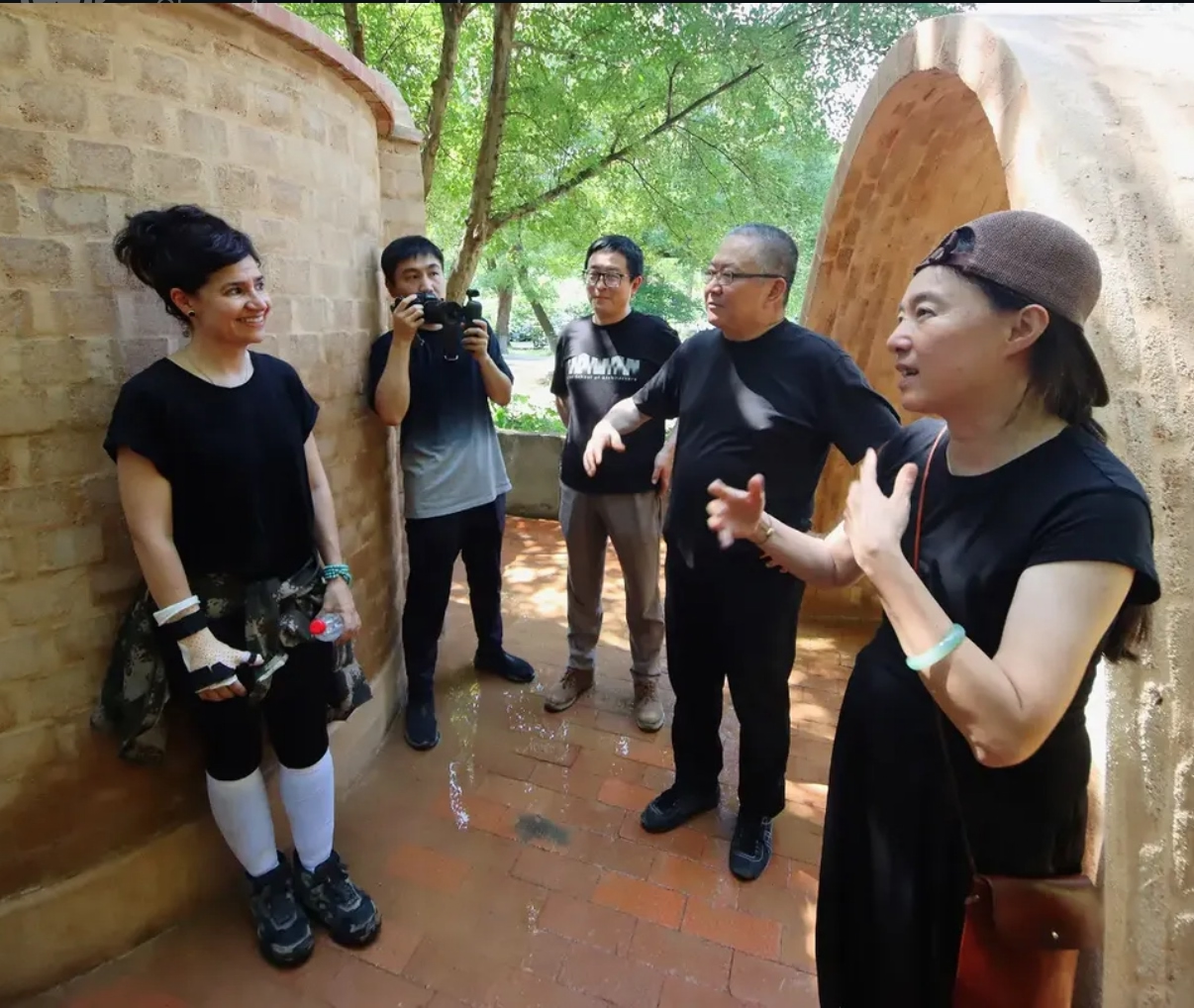
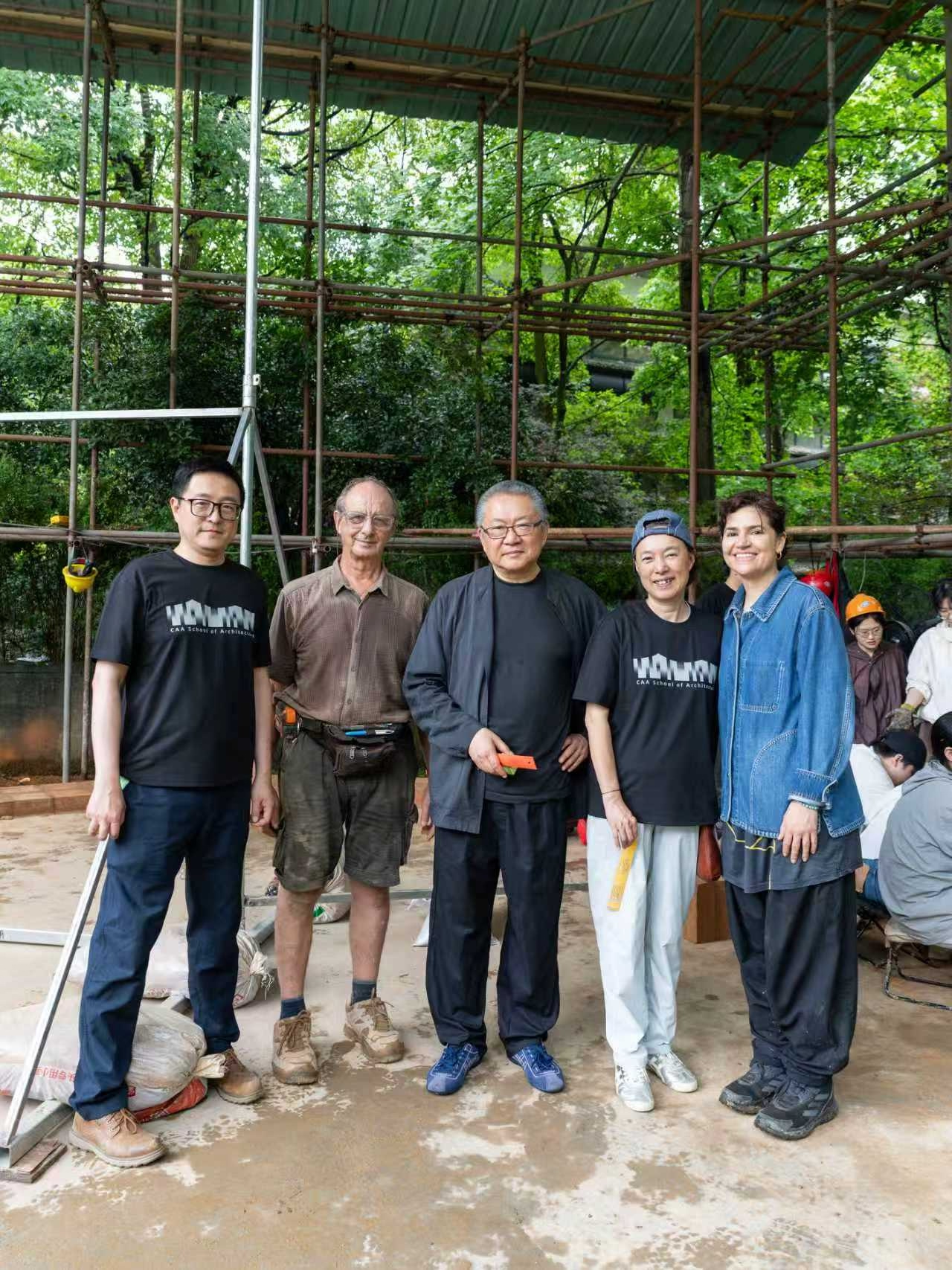
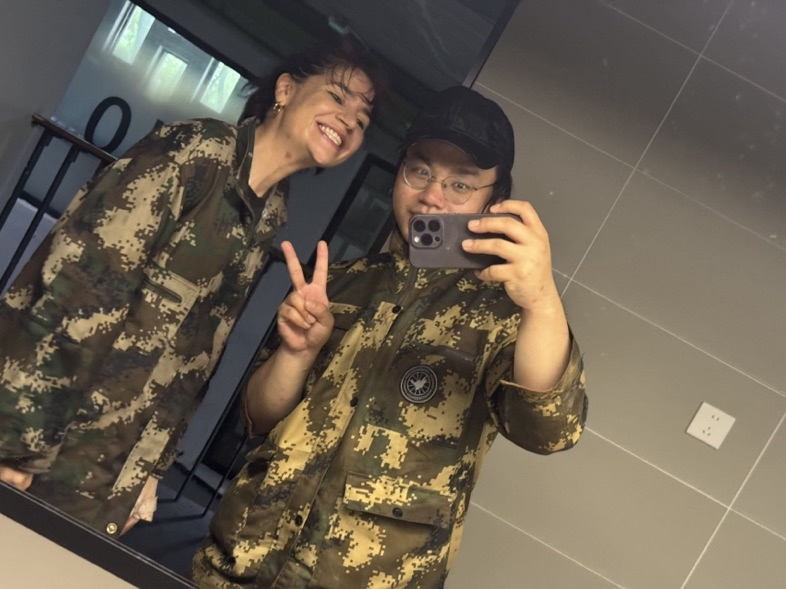
China Academy of Art Chen Lichao + Wei Chaochao + Students + Workers · Auroville Earth Institute · Bureau for Neural Architecture / BfNA · campus context by Wang Shu and Lu Wenyu / Amateur Architecture Studio.
[Temporal Arc]
Immediate (manual construction + sensory learning) · Seasonal (thermal/material performance) · Long-term (pedagogical transfer)
[Direction of Effect]
ACTIVATE (learning by making) · REGULATE (earth material comfort) · ENCODE (material memory + contextual culture)
[Neural Tags]
B1 = Embodied cognition · B3 = Biophilic/material volume · T2 = Hygroscopic regulation · S2 = Collective memory
[Biological System]
Sensorimotor learning · Proprioception · Attention · Thermal perception · Social coordination
[Description]
Project Credits: China Academy of Art, School of Architecture · Programme commissioned by Chen Lichao, Vice Dean · Dean Wang Shu and Lu Wenyu · Earthen architecture teaching and construction: Auroville Earth Institute · Neural architecture teaching, research design and longitudinal investigation: Bureau for Neural Architecture (BfNA) / Laura Ulloa · Hangzhou, China · 2026.
Image Credits: © China Academy of Art, Auroville Earth Institute, Bureau for Neural Architecture and respective authors/photographers, as applicable.
Project Credits & Copyright Notice: Every effort has been made to identify and acknowledge architects, educators, researchers, collaborators, photographers and other contributors associated with the programme. Research descriptions, neural architecture analysis and research frameworks presented here have been developed and curated by Bureau for Neural Architecture (BfNA). Architectural works, teaching materials, photographs, drawings and other visual material remain the property of their respective authors and rights holders. BfNA research materials, methodologies, analyses and original research documentation remain © Bureau for Neural Architecture (BfNA), unless otherwise stated. Contributors are credited wherever information is available. All rights remain with their respective authors and rights holders.
[Key Figures]
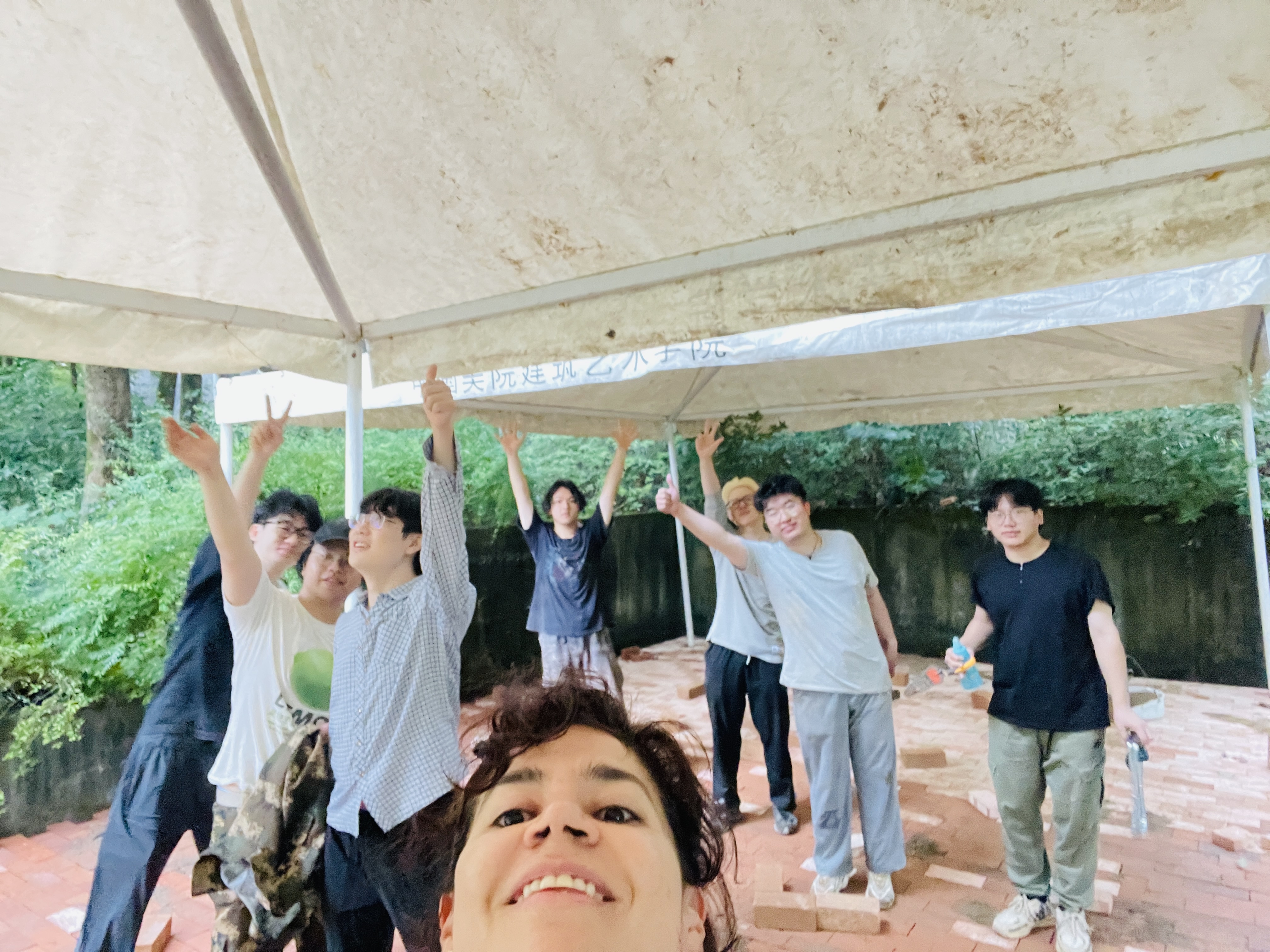
Typology: ongoing collaboration + design-build research · Introduction to Neural Earthen Architecture · China Academy of Art, Hangzhou · Auroville Earth Institute + BfNA · 11 June-17 July 2026 · 40 graduate + 68 undergraduate students + 25 master's students and 2 doctoral students · CSEB, stabilised earth, arches, vaults, domes, 6 m pointed dome, neural architecture theory + practical workshops.


No items found.
[Neural Analysis]
NEURAL EARTHEN PRAXIS: Introduction to Neural Earthen Architecture transforms building into a measurable learning ecology. Neural analysis concerns how students move from theory to handwork to inhabitation: soil identification, block pressing, arch geometry, dome construction, collective rhythm, error correction and post-construction use become stages of adaptive cognition. The dome is therefore both structure and instrument - a permanent earthen environment through which attention, thermal perception, gesture, memory and collective behaviour can later be observed.
THEORY → BUILDING → INHABITING [M1][M2][B3][T2]: The programme is uniquely BfNA because neural science is not added after architecture. It is embedded across the whole pedagogical sequence: neural theory, CSEB production, AVD geometry, collective construction and future inhabitation. This creates a living protocol for measuring embodied learning, predictive correction, material attention, thermal adaptation and group coordination in a real campus environment.
[Social Impact]
SOCIAL: 108 students build together, converting pedagogy into a permanent campus structure and a shared construction memory.
[ROI Sustainability]
ROI: The project produces educational value, material skill transfer and a permanent demonstrator of low-carbon earthen construction.
ROI: Its long-term value lies in re-usable pedagogy and measurable spatial research: one workshop generates a built structure, student expertise, institutional collaboration and future post-occupancy data on attention, thermal perception and collective inhabitation.
[Applied R&D Lens]
Measure students during theory, block production, arch/dome construction and inhabitation: attention, error correction, movement, thermal perception, acoustic experience, collaborative rhythm and memory of construction.
Develop a full BfNA field protocol: pre-course baseline, theory-session attention, construction-phase motor learning, post-build inhabitation and comparative measurements across earth structures.
Citations:
Primary source: programme PDF 'Introduction to Neural Earthen Architecture', China Academy of Art + Auroville Earth Institute + BfNA, 11 June-17 July 2026; includes 40 graduate and 68 undergraduate students, CSEB, stabilised earth techniques, arches, vaults, domes, neural architecture sessions and a permanent 6 m pointed dome. Additional source: Laura Ulloa application/CV identifying the CAA collaboration with Auroville Earth Institute.
Copyright:
Project Credits: China Academy of Art + Auroville Earth Institute + Bureau for Neural Architecture. Team: CAA; AVEI; BfNA; Satprem Maïni; Laura Ulloa; Wang Shu / Lu Wenyu campus context. Laura Role: Ongoing collaboration - neural architecture teaching, research framing and measurement development. Image Credits: © Chen Xi Studio, Auroville Earth Institute / China Academy of Art / BfNA / respective authors and photographers. Source: Uploaded programme PDF and AVEI website. Project Credits & Copyright Notice: Every effort has been made to identify and acknowledge architects, consultants, collaborators, photographers, visualisation studios and other contributors associated with each project. Project descriptions have been rewritten and curated by Bureau for Neural Architecture (BfNA). Architectural works, photographs, renderings, drawings, trademarks and visual material remain the property of their respective authors, studios, photographers, visualisation teams and rights holders. Contributors are credited wherever information is available. Rights remain with their respective authors and rights holders.
© 2026 Bureau for Neural Architecture. Developed by Cavolo Studio.
Privacy Policy & Legal Notice
