


Directed by Laura Ulloa, BfNA explores and designs for the reciprocal dynamics between environments, cognition and collective adaptation.
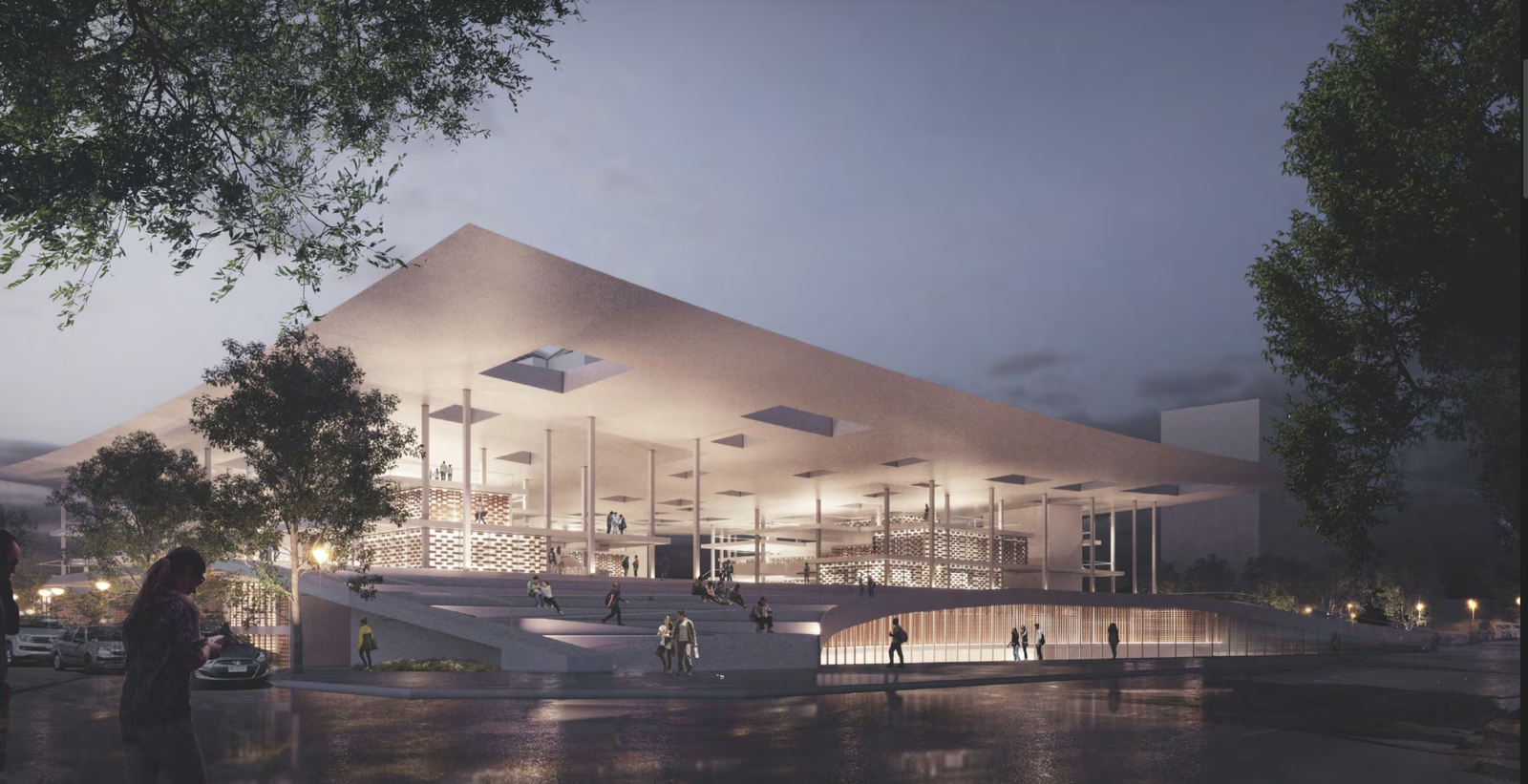

A Roof for All - Talca Civic Centre
urban mixed-use
Talca
Chile
50000
m²
Group of 8 (Toronto / Paris / Rotterdam)
Pending
A Roof for All / urban mixed-use
[Summary]
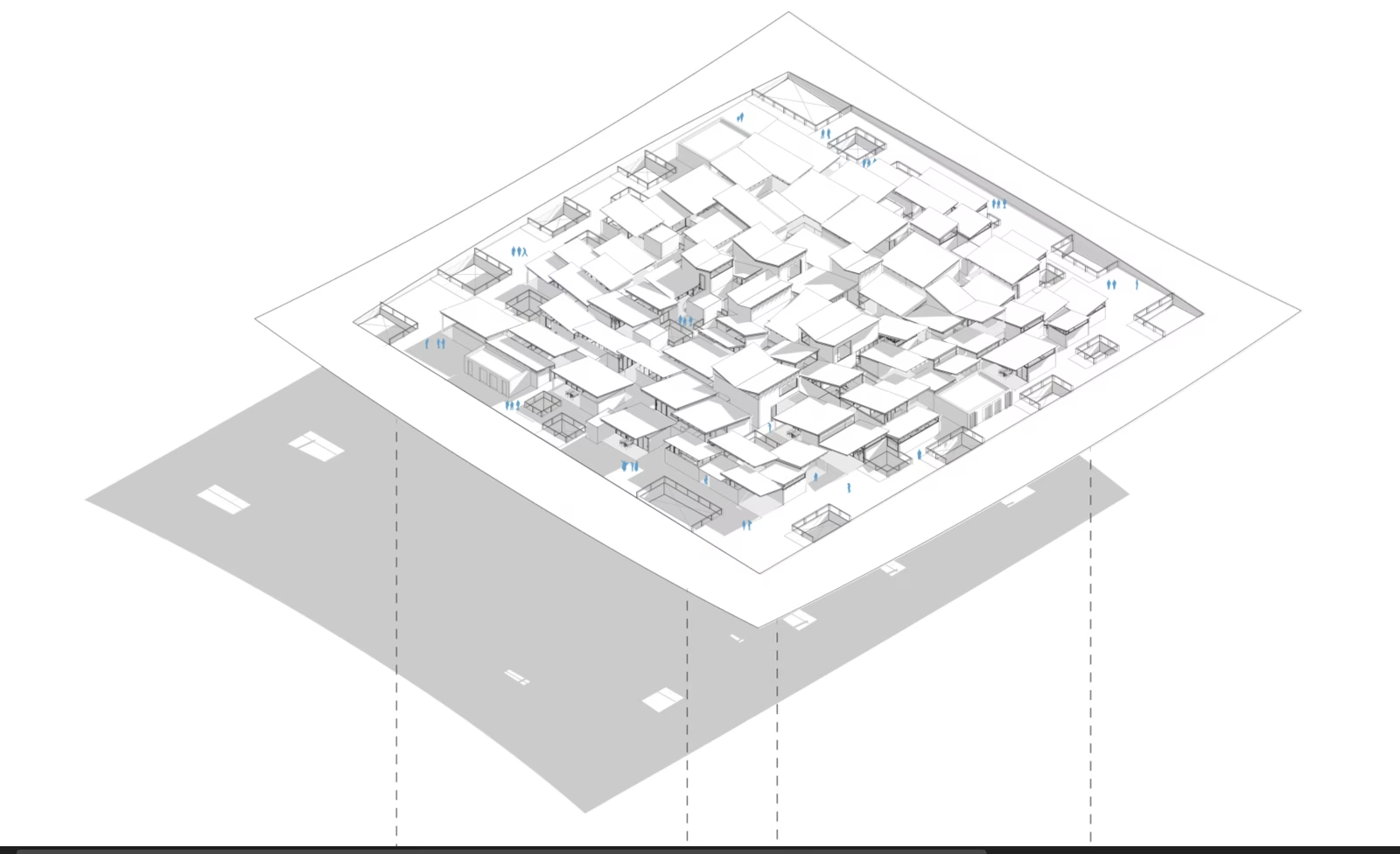
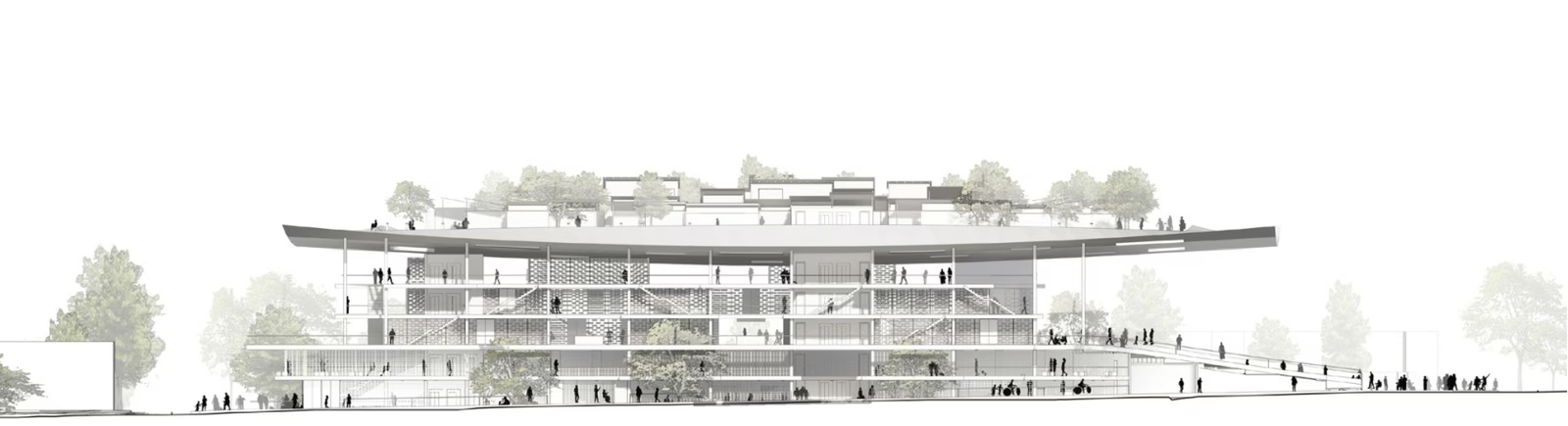
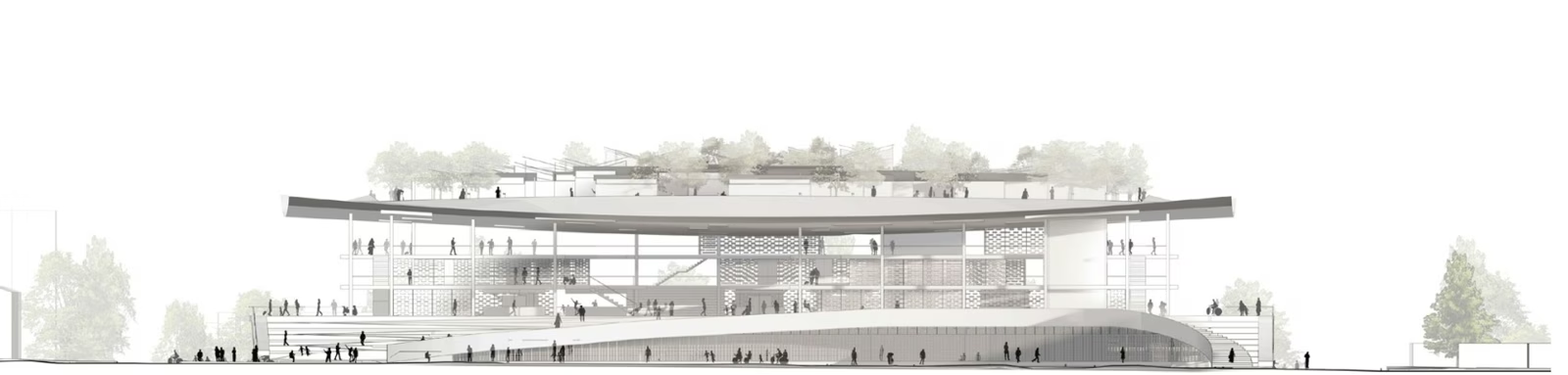
Collective shelter as civic infrastructure / one continuous roof supporting democratic urban life after disaster.
[Team]
Group of 8 (Toronto / Paris / Rotterdam)
[Temporal Arc]
Immediate (parasympathetic activation under shared roof) · Chronic (social cohesion built through daily shared space)
[Direction of Effect]
SIGNAL (collective safety) · ENCOUNTER (civic commons) · RESTORE (urban stress)
[Neural Tags]
B5 = Multisensory nature · S1 = Social contact activation · S2 = Collective memory + spatial identity
[Biological System]
Autonomic regulation · Molecular signalling (oxytocin) · Neuroception · Allostasis
[Description]
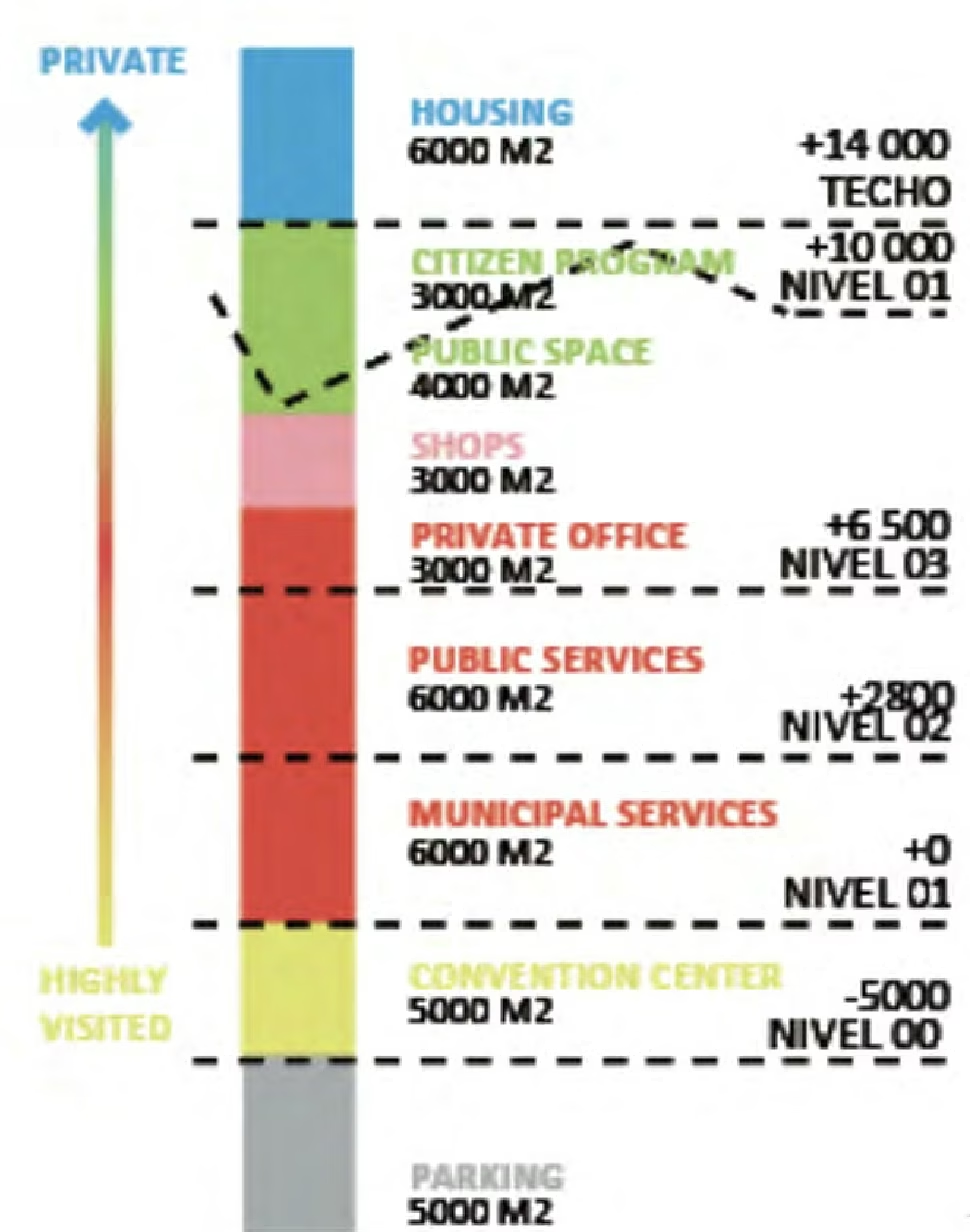
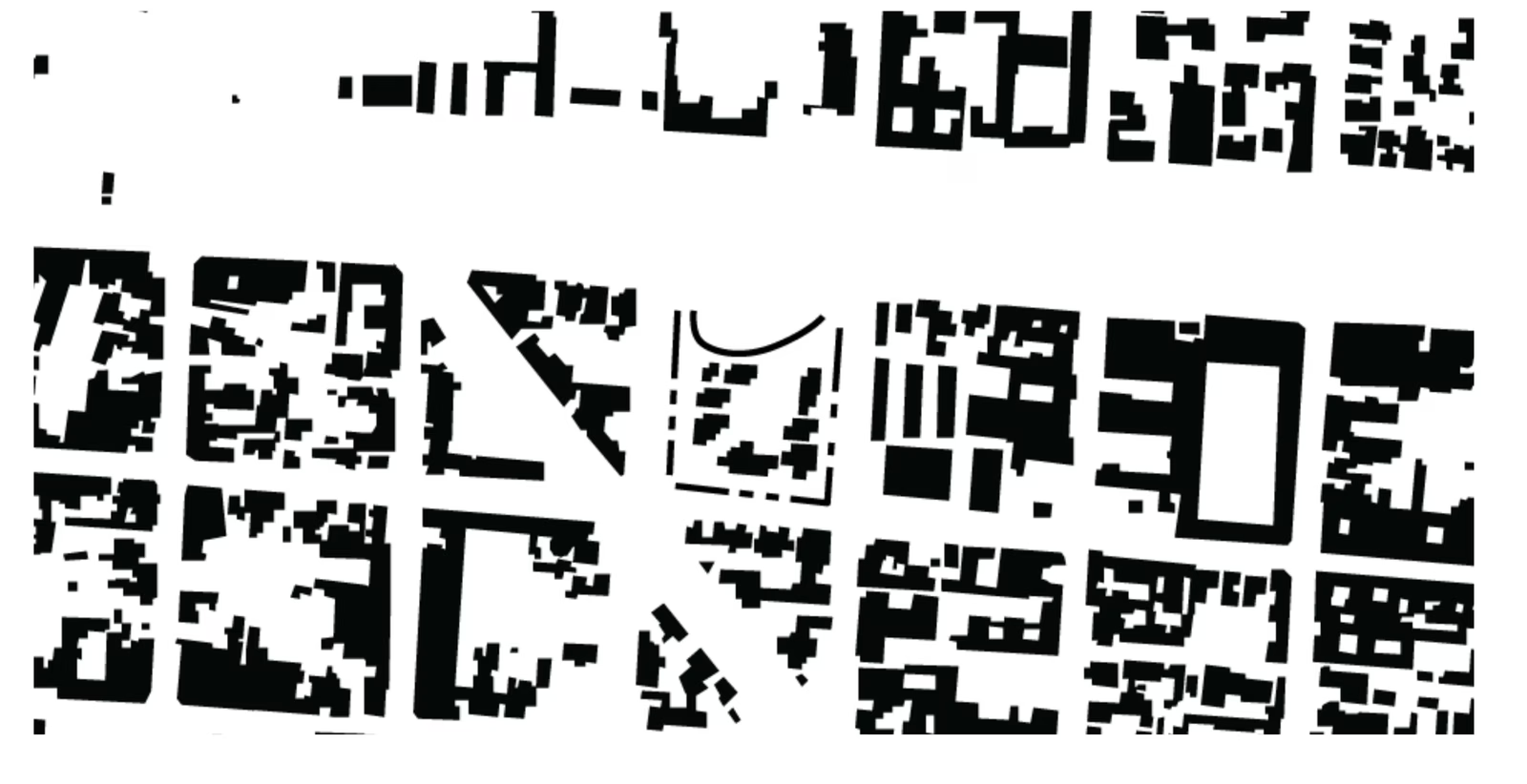
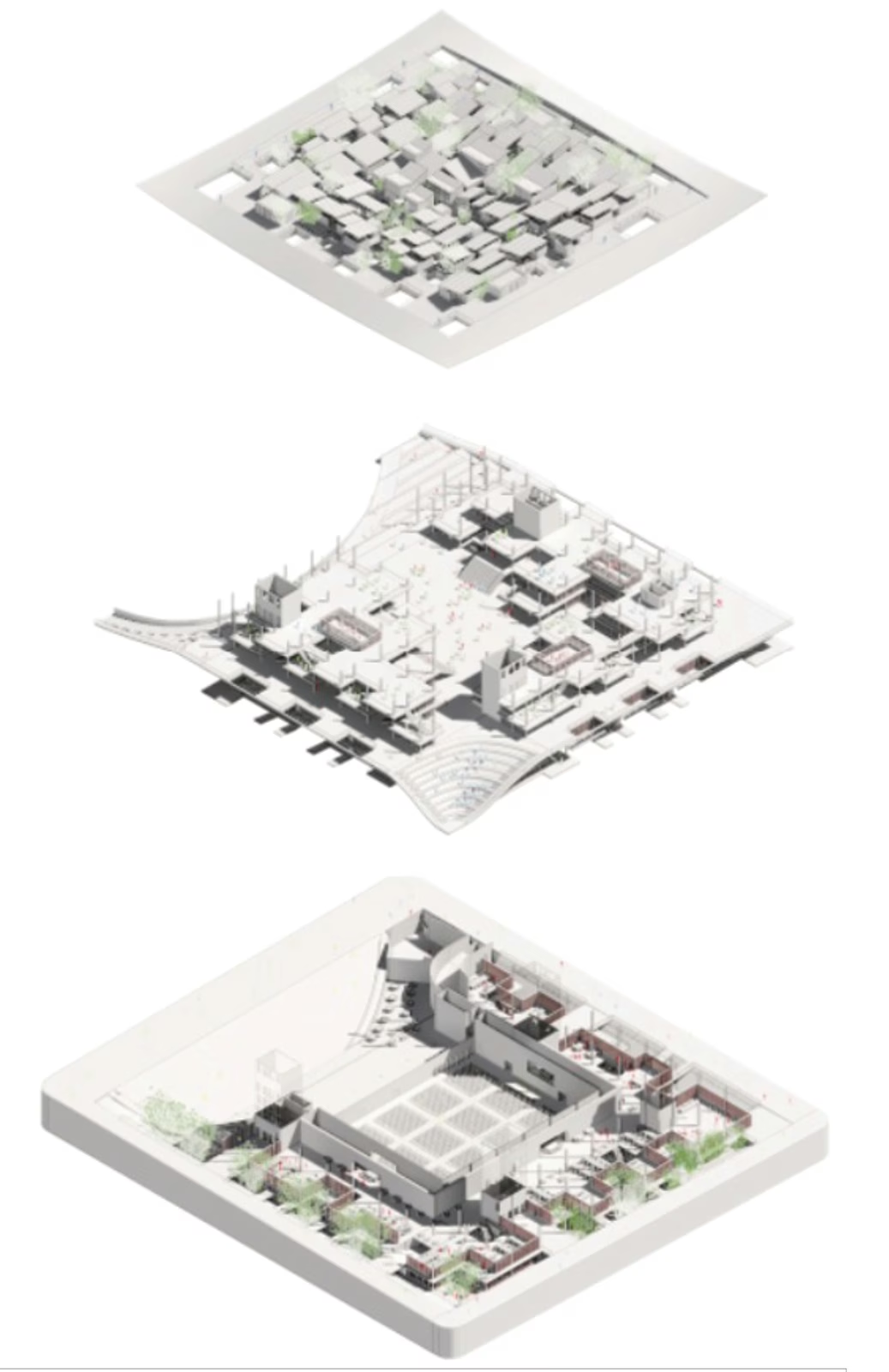
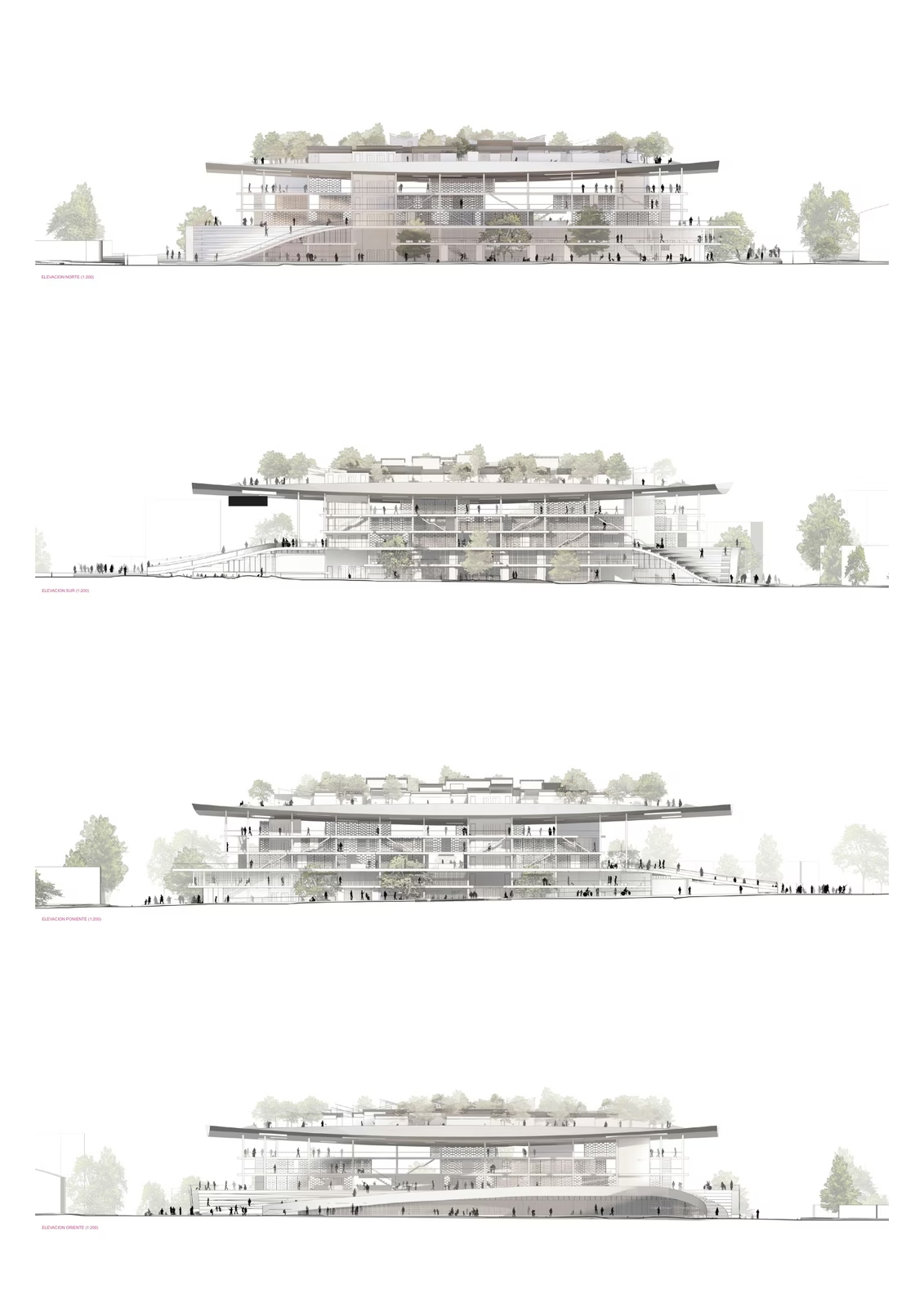
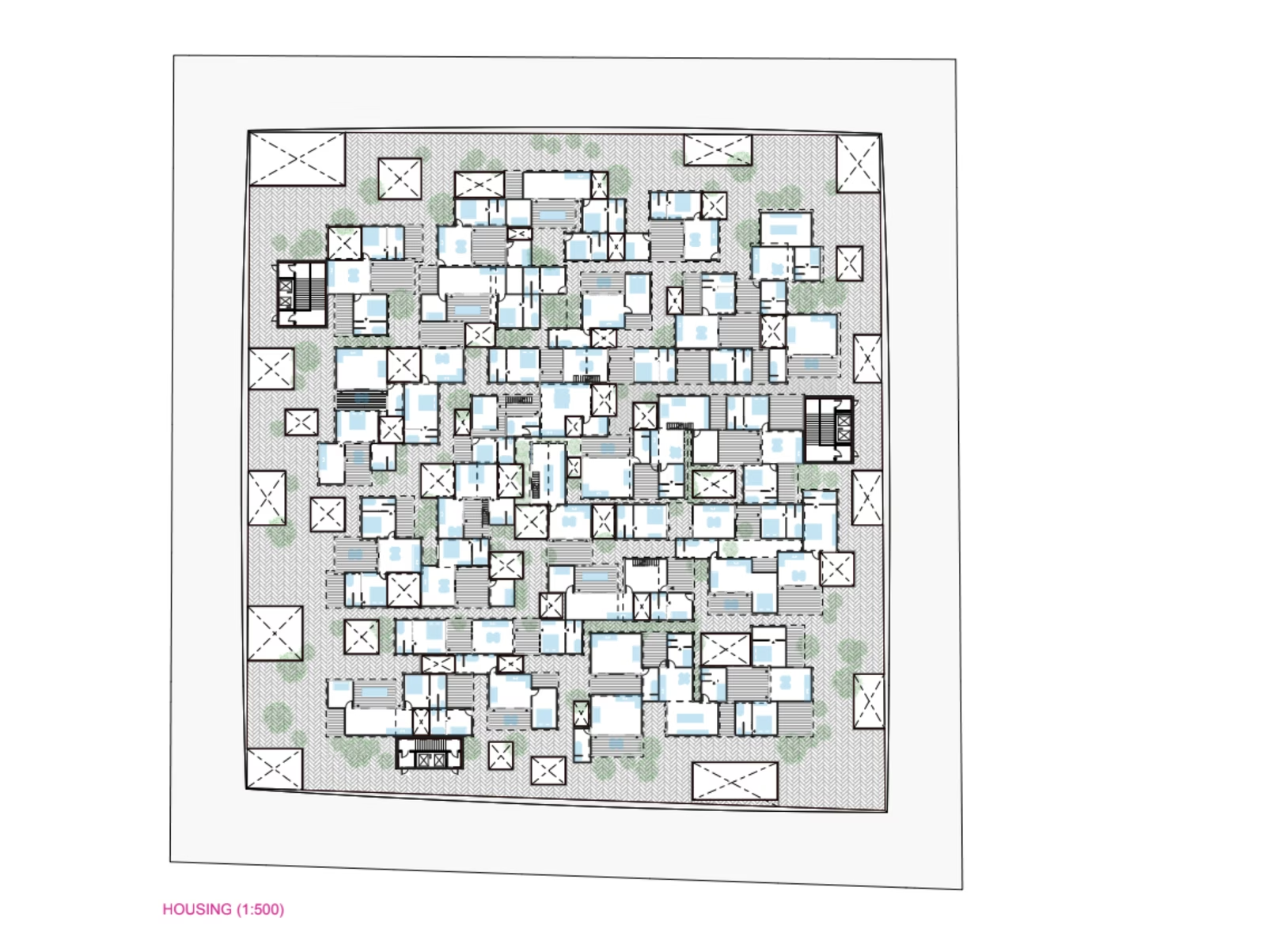
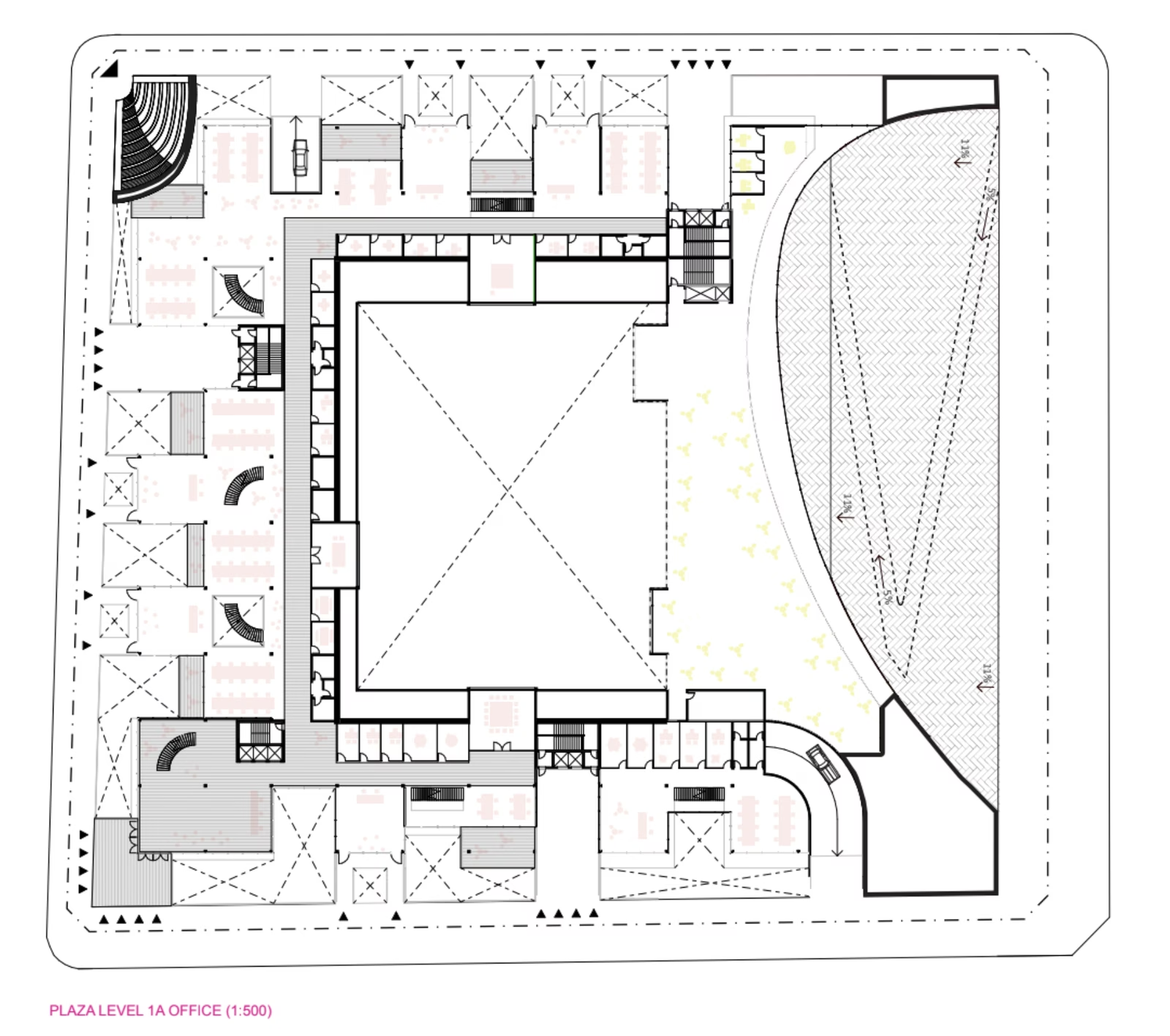
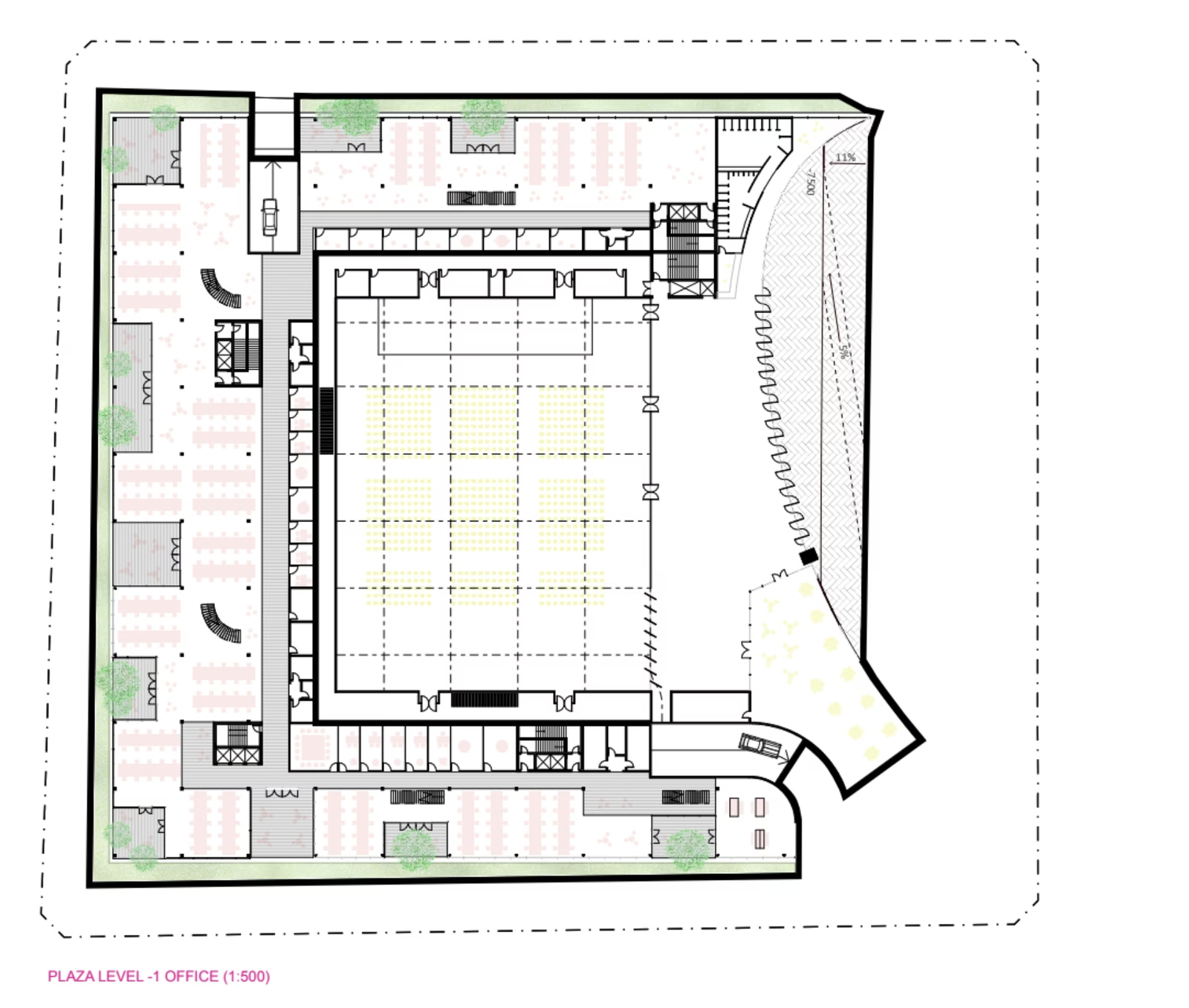
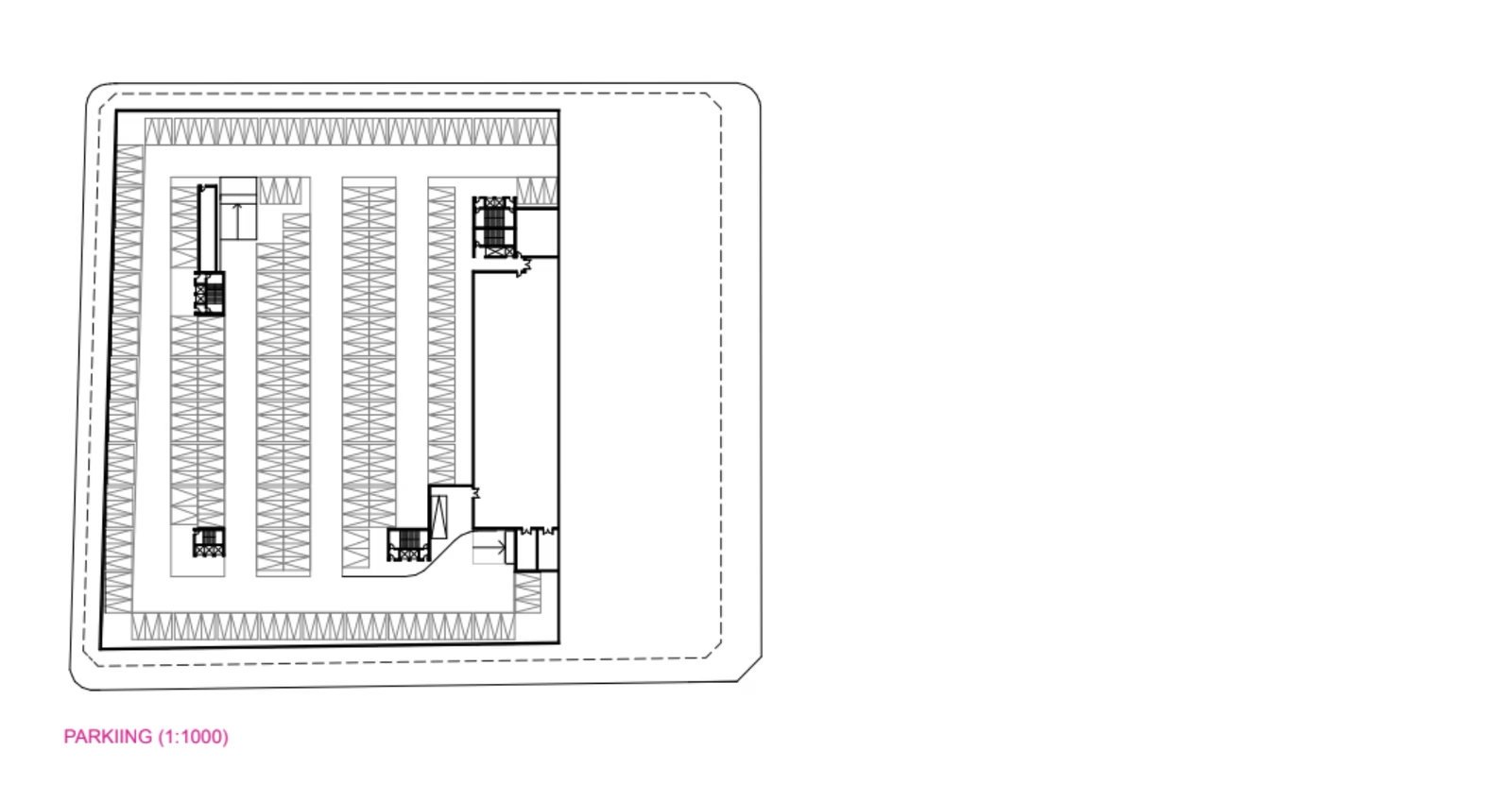
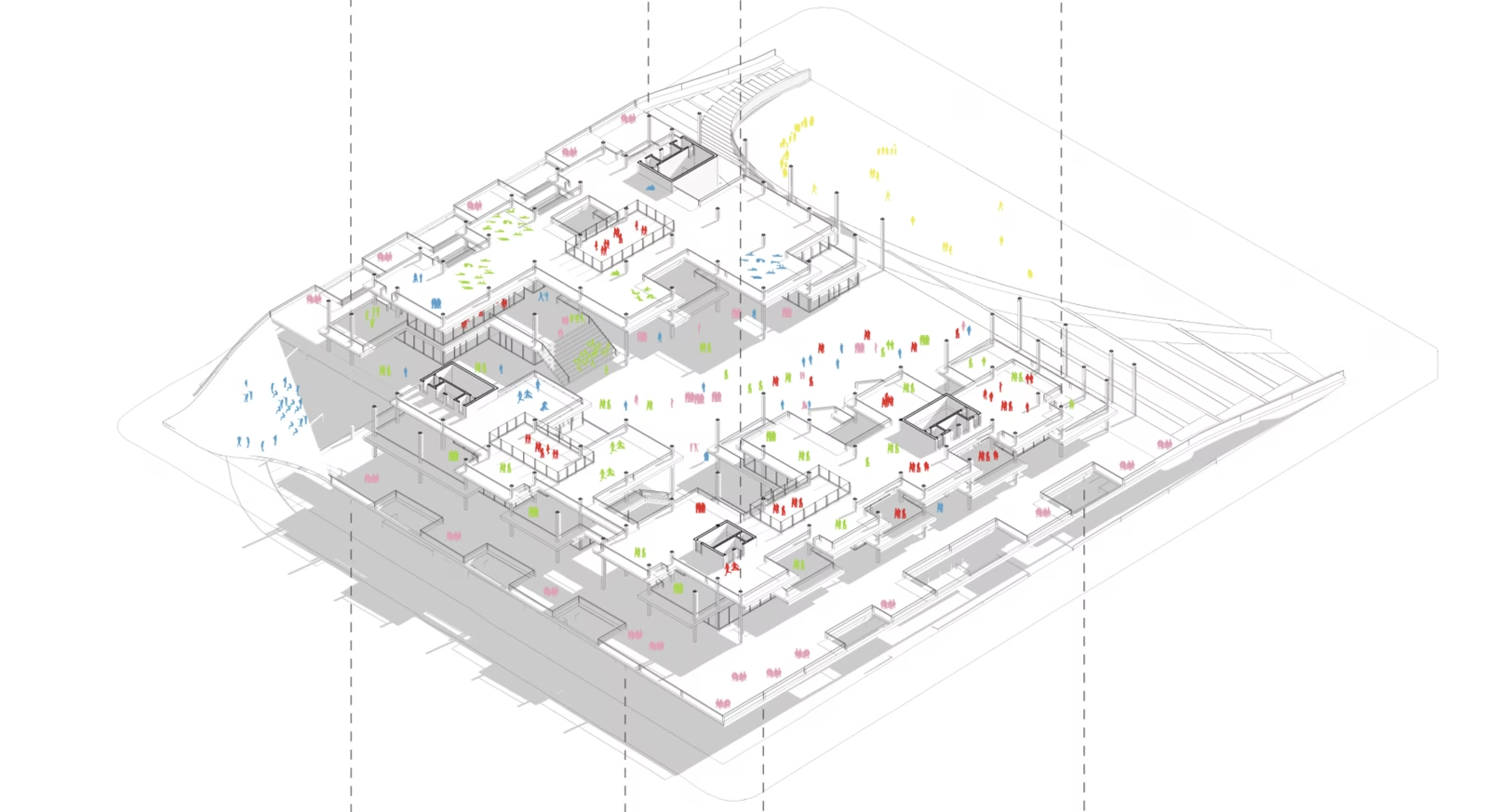
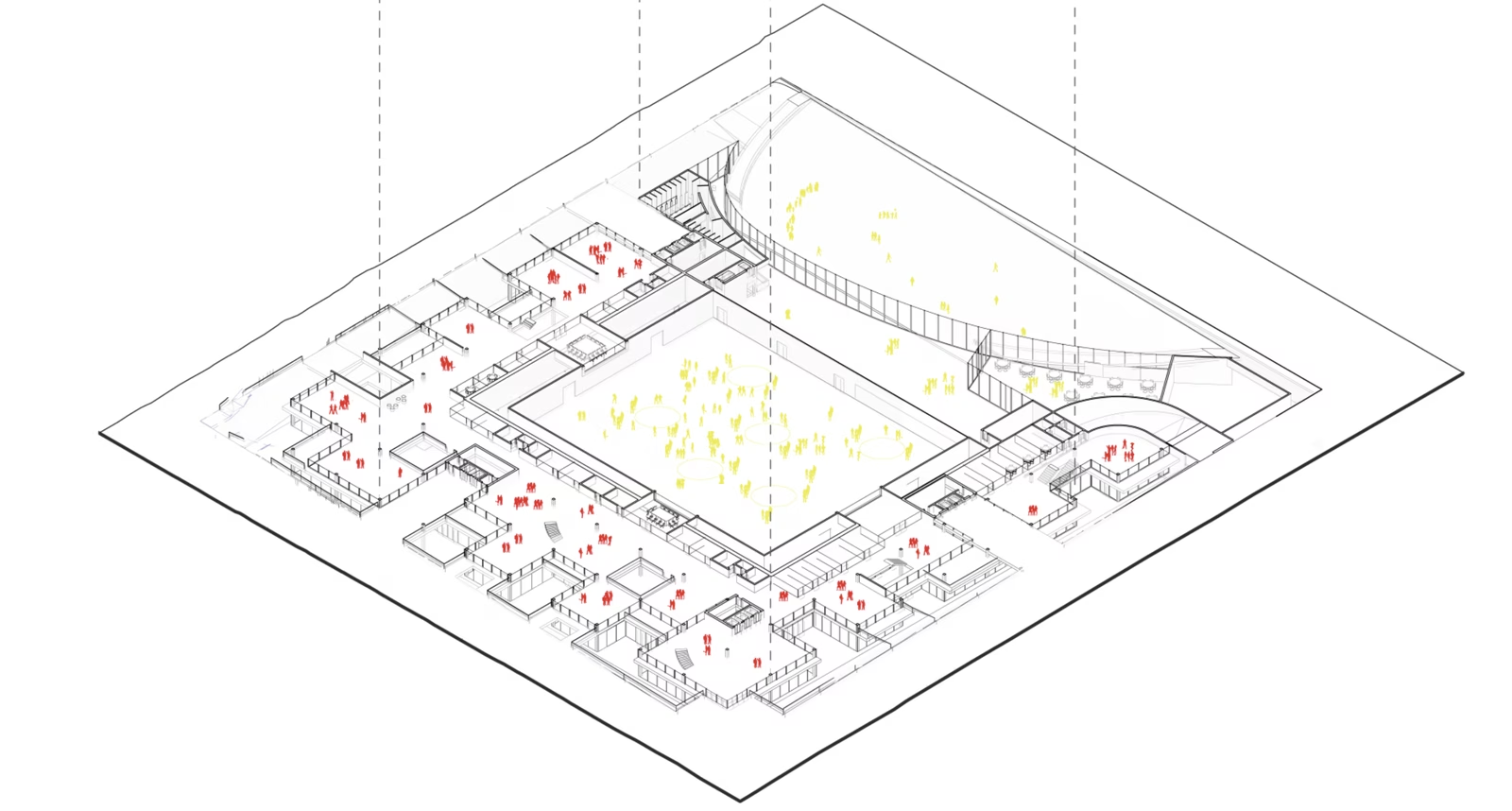
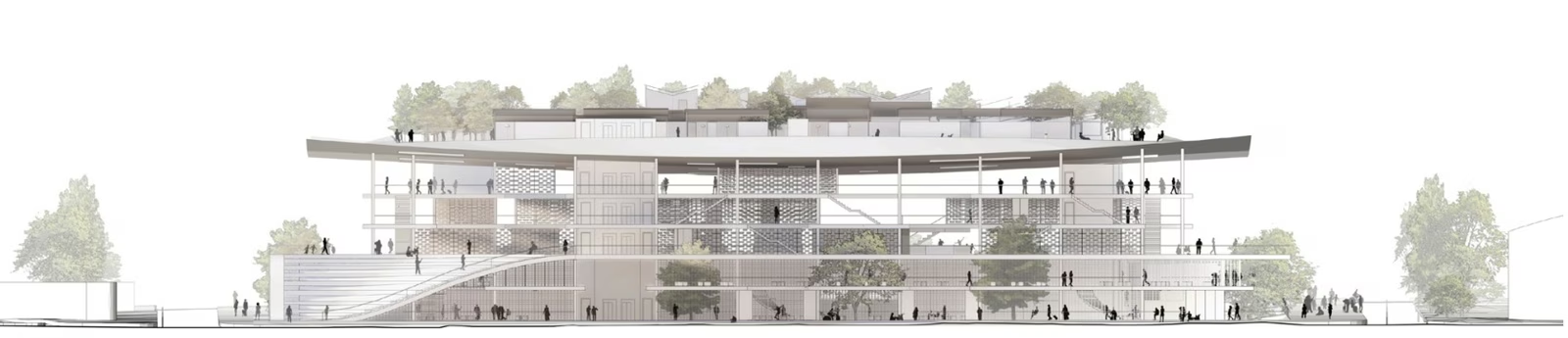
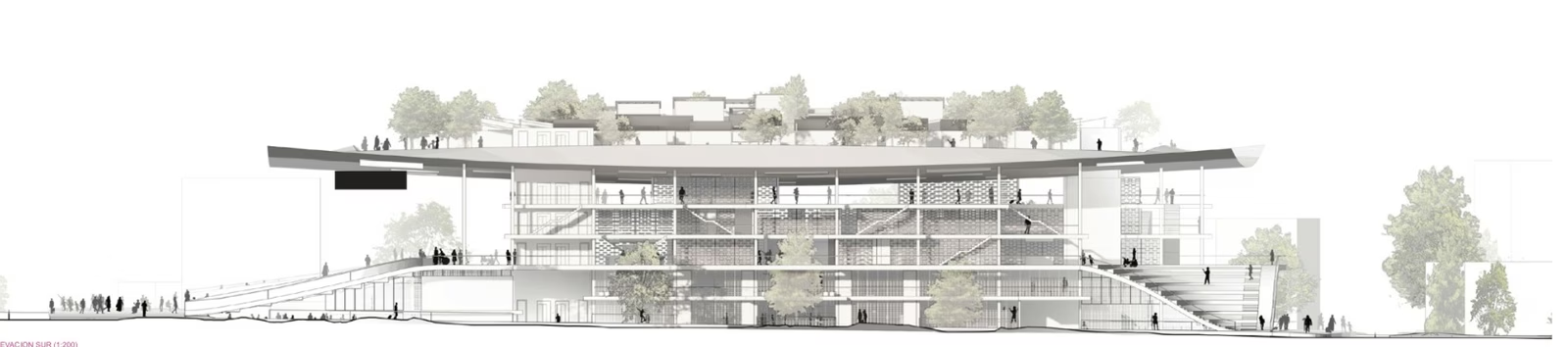
A ROOF FOR ALL / UN TECHO PARA TODOS The Talca Civic Centre is missing from this mid-sized city in the centre of Chile: a protecting roof for any social and public activities. Programmes were arranged vertically from the lower levels to the most private, with social housing on the roof. A raised plaza offers views onto this thriving, mostly horizontal city. My Role: In Revit, to articulate the volumetry along with the arrangement of programmes and controlling areas. From conceptualisation to formal expression, collaborating in Revit. Specific attention given to the roof expression and the housing programme.A Roof for All is an international competition entry for a new civic centre in Talca, Chile - a city that lost much of its urban fabric in the 2010 earthquake. The project proposes a single continuous shared roof as the organising principle of an entire civic programme: a canopy covering public space, social housing, market, and community infrastructure in one democratic gesture. Programmes are arranged vertically from open civic ground to the most private, with social housing on the roof. A raised plaza offers panoramic views over the horizontal city. Colectivo 8 - a transnational team formed across Toronto, Paris, and Rotterdam. BfNA reading: this project is understood as a case study in movement, orientation, accessibility, safety, social mixing and collective behaviour. It extends beyond architectural production into environmental intelligence / how design decisions can support human adaptation, social responsibility, ecological performance and future evidence-based practice.
[Key Figures]
Typology: urban mixed-use · 2020 · ~50,000 m2 · Convention 5,000 m2 + offices + retail + social housing on roof · International Architecture Competition · Talca, Maule Region, Chile
No items found.
[Neural Analysis]
COLLECTIVE REPAIR: The roof is read as a stress-buffering device after civic disruption, supporting shared orientation, social proximity and memory reconstruction rather than merely providing shade.
COLLECTIVE PROTECTION [B5][S2]: A shared roof as civic canopy creates psychological safety - activating the parasympathetic nervous system in a space associated with community. Gaekwad et al. (2023, J. Environ. Psychol.) meta-analysis confirms natural-feeling shared environments reduce physiological stress markers. SOCIAL CONTACT: Covered public space facilitates spontaneous social interaction; MacKerron & Mourato's Mappiness data (2013) show social activities with others are the second highest positive affect predictor after intimate relations. HOUSING [A3][L5]: Social housing on the roof exposed to maximum daylight; UK Green Building Council confirms 18% fewer sick days with good daylight access [L5]. SHARED SHELTER & PARASYMPATHETIC NERVOUS SYSTEM: Gaekwad et al. (2023, J. Environ. Psychol.) meta-analysis of 37 studies: natural-feeling shared environments reduce physiological stress markers 18-26% vs enclosed private spaces. A civic canopy - collectively owned - activates the vagal tone (parasympathetic) associated with safety and belonging. Holt-Lunstad et al. (2015): social connection = 50% reduced mortality. BfNA neural-sciences lens: the relevant question is not only how the project looks, but how it conditions movement, orientation, accessibility, safety, social mixing and collective behaviour over time, across different bodies, neurotypes and social realities.
[Social Impact]
SOCIAL: Public infrastructure becomes a democratic support system for gathering, trade and ceremony.
[ROI Sustainability]
ROI: Lightweight civic infrastructure can generate high collective value through shade, events and renewed centrality.
ROI: Public infrastructure competition; social ROI measured in civic activation, employment, and adaptive functioning indicators. SUSTAINABILITY: Timber structure, passive solar, local materials (concrete + timber from Maule region forestry). CIVIC INVESTMENT MODEL: International architecture competition validates concept for public funding. Timber + local materials: construction cost 40-50% below equivalent concrete structure. Social exclusion estimated at 2% GDP (OECD, 2019); civic inclusion is economically rational. ESG / investment lens: the value of this project is not limited to carbon or certification. It includes public value, climate adaptation, inclusion and civic resilience, producing evidence that can inform investors, public actors, operators and future environmental standards.
[Applied R&D Lens]
Study occupancy before/after shade activation: density, social mixing, dwell time and emotional valence.
The shared roof creates a natural social neuroscience experiment - tracking social contact frequency and quality across programme layers (civic ground, market, community, housing) over twelve months. BfNA's Applied R&D would measure oxytocin and cortisol variation in the roof community, correlated with spatial proximity and programme type. Talca's post-earthquake context adds a collective trauma-recovery dimension: the roof as a spatial antidote to collective physiological stress. Does collective shelter - shared by design, not by crisis - produce measurable reductions in community-level cortisol over time? Tetti per Tutti answers this question in Veneto; A Roof for All answers it in Chile.Future data layer: deployed through BfNA, the project could become a longitudinal dataset linking environmental conditions, behavioural patterns, social outcomes and ecological performance / transforming built space into knowledge for future design.
Citations:
Sources: Gaekwad et al. (2023) J. Environ. Psychol. · Holt-Lunstad et al. (2015) Perspect. Psychol. Sci. · MacKerron & Mourato (2013) Psychol. Sci. · OECD (2019) Cost of Social Exclusion. · Disaster recovery and public space literature; Ancora et al. 2022; Derrida trace/disruption.
Copyright:
Project Credits: Group of 8 (Toronto / Paris / Rotterdam); Team: Group of 8 (Toronto / Paris / Rotterdam).Laura Role: Laura Ulloa - Project Leader / lead responsibility where documented in CV, office records or project archive.Image Credits: © Laura Ulloa / BfNA. Images and third-party material remain.Source: source to be confirmed.Project Credits & Copyright Notice: Every effort has been made to identify and acknowledge architects, consultants, collaborators, photographers, visualisation studios and other contributors associated with each project. Project descriptions have been rewritten and curated by Bureau for Neural Architecture (BfNA). Architectural works, photographs, renderings, drawings, trademarks and visual material remain the property of their respective authors, studios, photographers, visualisation teams and rights holders. Contributors are credited wherever information is available. Rights remain with their respective authors and rights holders.
© 2026 Bureau for Neural Architecture. Developed by Cavolo Studio.
Privacy Policy & Legal Notice
