


Directed by Laura Ulloa, BfNA explores and designs for the reciprocal dynamics between environments, cognition and collective adaptation.
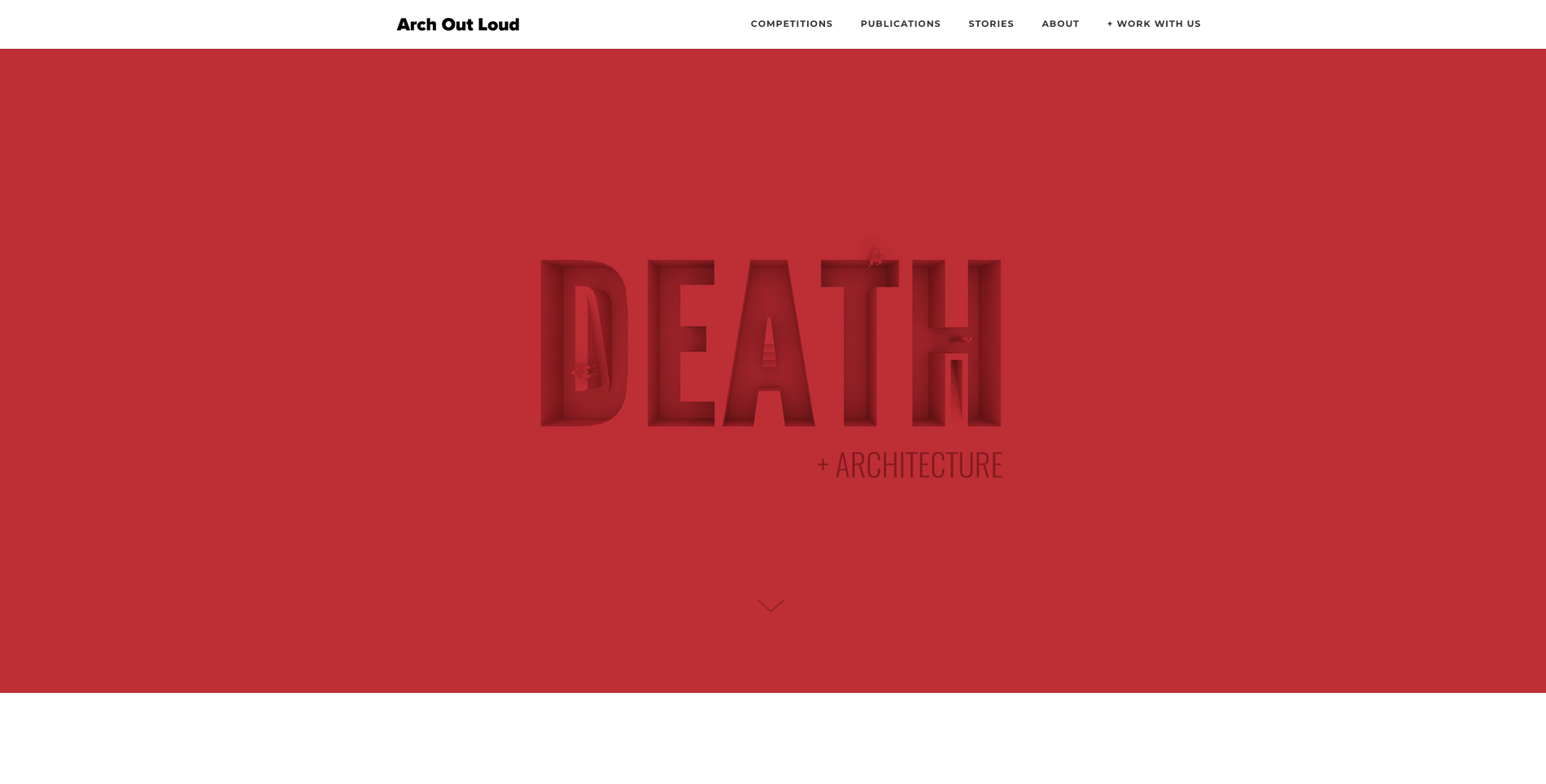

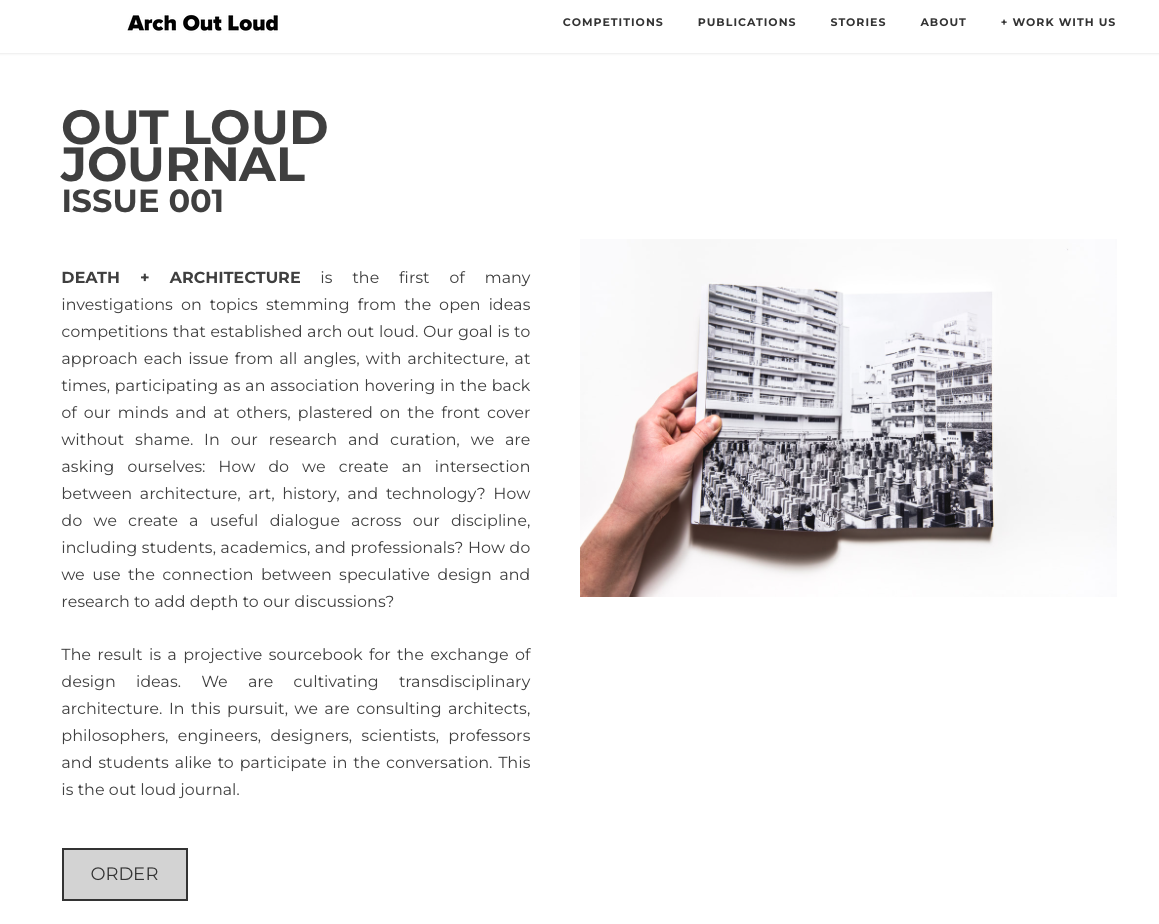
Death + Architecture
Publication
UK / Online
International
archoutloud / Future Architecture Platform
Published
Death + Architecture / publication + death-spaces research
[Summary]
Death spaces as spatial interruption / architecture, grief, memory and ritual beyond the continuity of everyday life.
[Neural Tags]
Future Architecture Platform (EU-funded)
[Description]
Publication on death spaces in contemporary architecture. Project: Death-Spaces.Architecture for death, grief and memory. Cross-cultural research.
[Key Figures]
Typology: Publication · ISBN-13: 978-1693456398 · ISBN-10: 1693456397 · archoutloud.com · Future Architecture Platform
No items found.
[Neural Analysis]
MORTALITY, MEMORY AND INTERRUPTION: Death architecture is not treated as atmosphere, but as a neural and social apparatus for grief, spatial memory and interruption. The project asks how ritual space holds absence without converting it into spectacle.
GRIEF [B1][S2][A3]: The neural reading is deliberately careful: architecture cannot 'solve' grief, but it can condition memory, orientation, social support and physiological down-regulation during mourning. Ulrich's stress-recovery theory supports the role of natural settings in autonomic recovery; environmental-restoration research supports the value of coherent, low-load settings for attention after emotional stress. Derrida is used here through absence, trace and interruption: the memorial environment holds a void rather than filling it with continuous meaning. BfNA reads the project as a spatial protocol for collective mortality, not as a therapeutic promise.
[Social Impact]
SOCIAL: Cross-cultural analysis of death spaces provides a framework for designing inclusive memorial architecture across religions and cultures. Directly applicable to growing global demand for secular memorial parks.
[ROI Sustainability]
ROI: Future Architecture Platform: EU research recognition + international distribution. ISBN ensures permanent academic reference. SUSTAINABILITY: Memorial woodland burial as a carbon sink - death architecture as climate action.
[Applied R&D Lens]
Compare thresholds, procession, enclosure, material darkness/light and ritual pause across death-space typologies without reducing grief to a measurable mood.
Citations:
Future Architecture Platform / arch out loud project context · Roger S. Ulrich (1984), "View through a window may influence recovery from surgery", Science, DOI: 10.1126/science.6143402 · Stephen Kaplan (1995), "The restorative benefits of nature", Journal of Environmental Psychology, DOI: 10.1016/0272-4944(95)90001-2 · Jacques Derrida, Archive Fever (1995) and "Ousia and Grammē: Note on a Note from Being and Time" for absence, spacing and interruption.
Copyright:
Project Credits: archoutloud / Future Architecture Platform; Team: team to be confirmed.Laura Role: Laura Ulloa - Project Leader / lead responsibility where documented in CV, office records or project archive.Image Credits: © archoutloud / Future Architecture Platform and/or respective photographers / visualisation studios.Source: https://www.archoutloud.com / https://futurearchitectureplatform.org/projects/2bebe162-3b9f-4e86-bd97-40e778977cf1/.Project Credits & Copyright Notice: Every effort has been made to identify and acknowledge architects, consultants, collaborators, photographers, visualisation studios and other contributors associated with each project. Project descriptions have been rewritten and curated by Bureau for Neural Architecture (BfNA). Architectural works, photographs, renderings, drawings, trademarks and visual material remain the property of their respective authors, studios, photographers, visualisation teams and rights holders. Contributors are credited wherever information is available. Rights remain with their respective authors and rights holders.
© 2026 Bureau for Neural Architecture. Developed by Cavolo Studio.
Privacy Policy & Legal Notice
