


Directed by Laura Ulloa, BfNA explores and designs for the reciprocal dynamics between environments, cognition and collective adaptation.

Flow - Vienna Culture Zone
cultural _ museum
Vienna
Austria
12000
m²
Independent cultural-infrastructure research / Laura Ulloa
Project
Flow / cultural _ museum
[Summary]
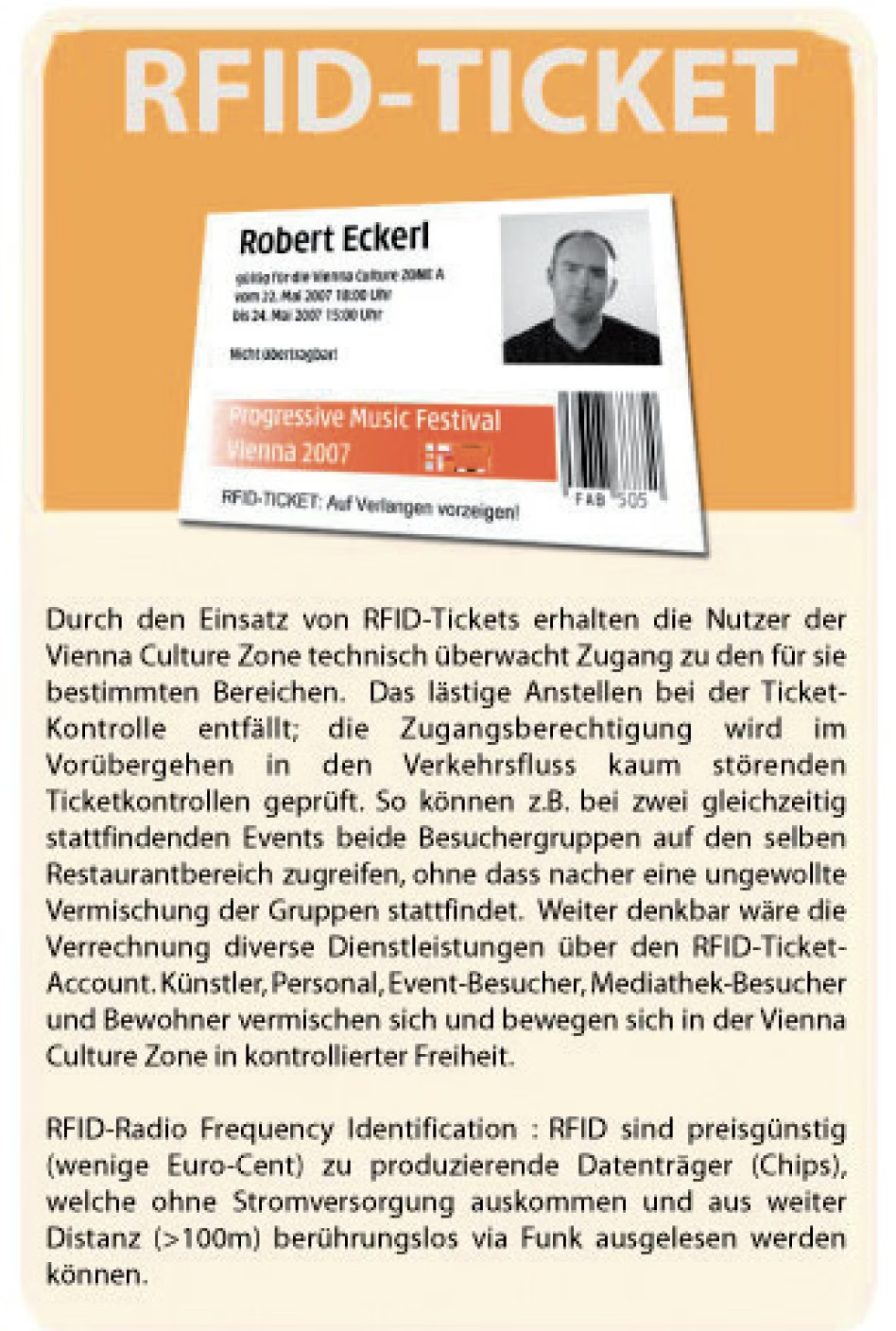
Universal access to culture via RFID / early spatial intelligence for inclusive public use.
[Team]
Team: Raphael Kieslinger
[Temporal Arc]
Immediate (cultural encounter - mirror neuron activation) · Ultradian (performance + social rhythm) · Chronic (cultural identity across urban life)
[Direction of Effect]
ENCOUNTER (cultural democracy) · ACTIVATE (mirror neuron empathy) · SIGNAL (universal access)
[Neural Tags]
S1 = Social contact activation · B2 = Semi-private biophilic zone · L4 = Adaptive artificial light
[Biological System]
Molecular signalling (oxytocin, dopamine) · Autonomic regulation · Neuroplasticity · Reward circuitry
[Description]
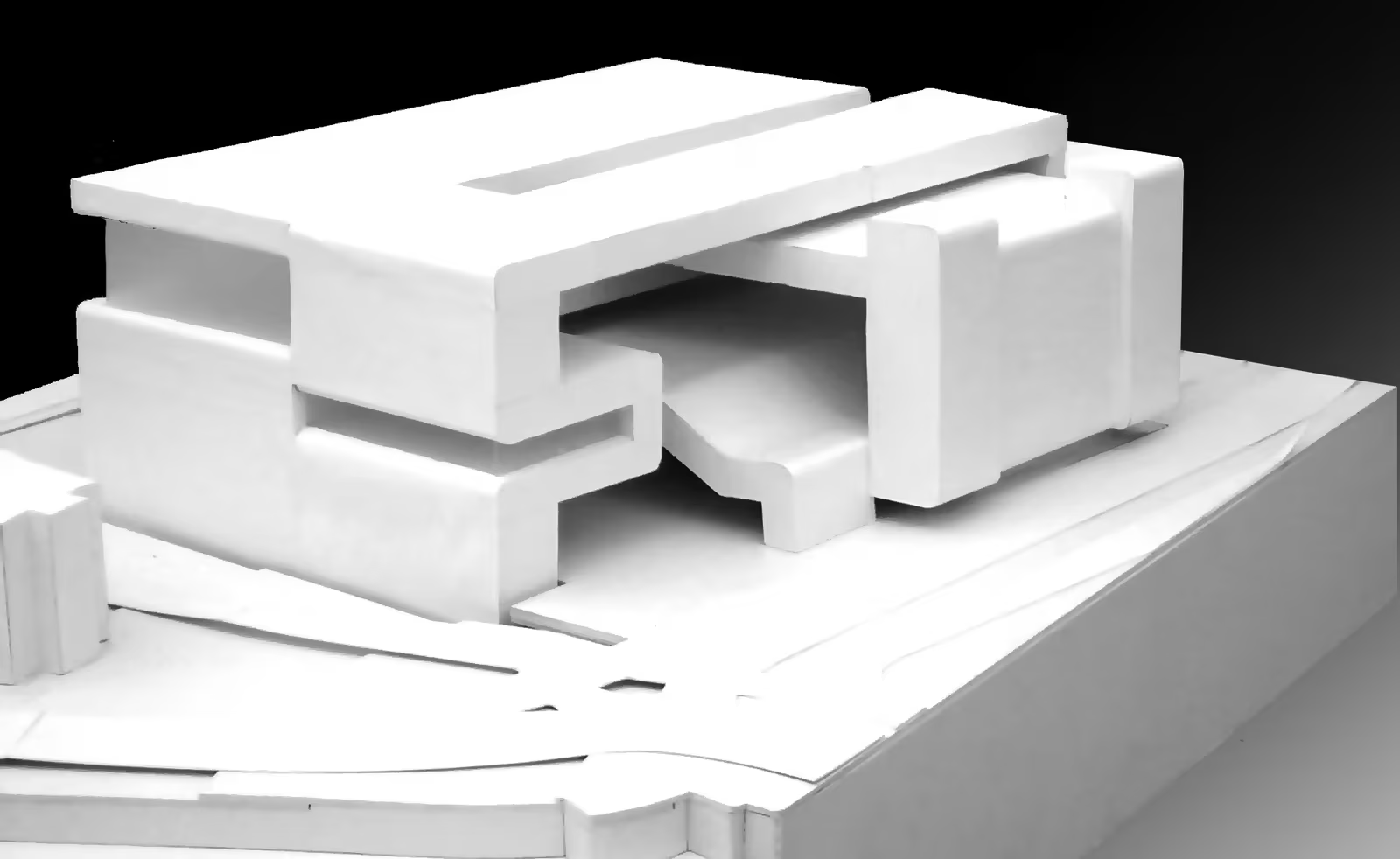
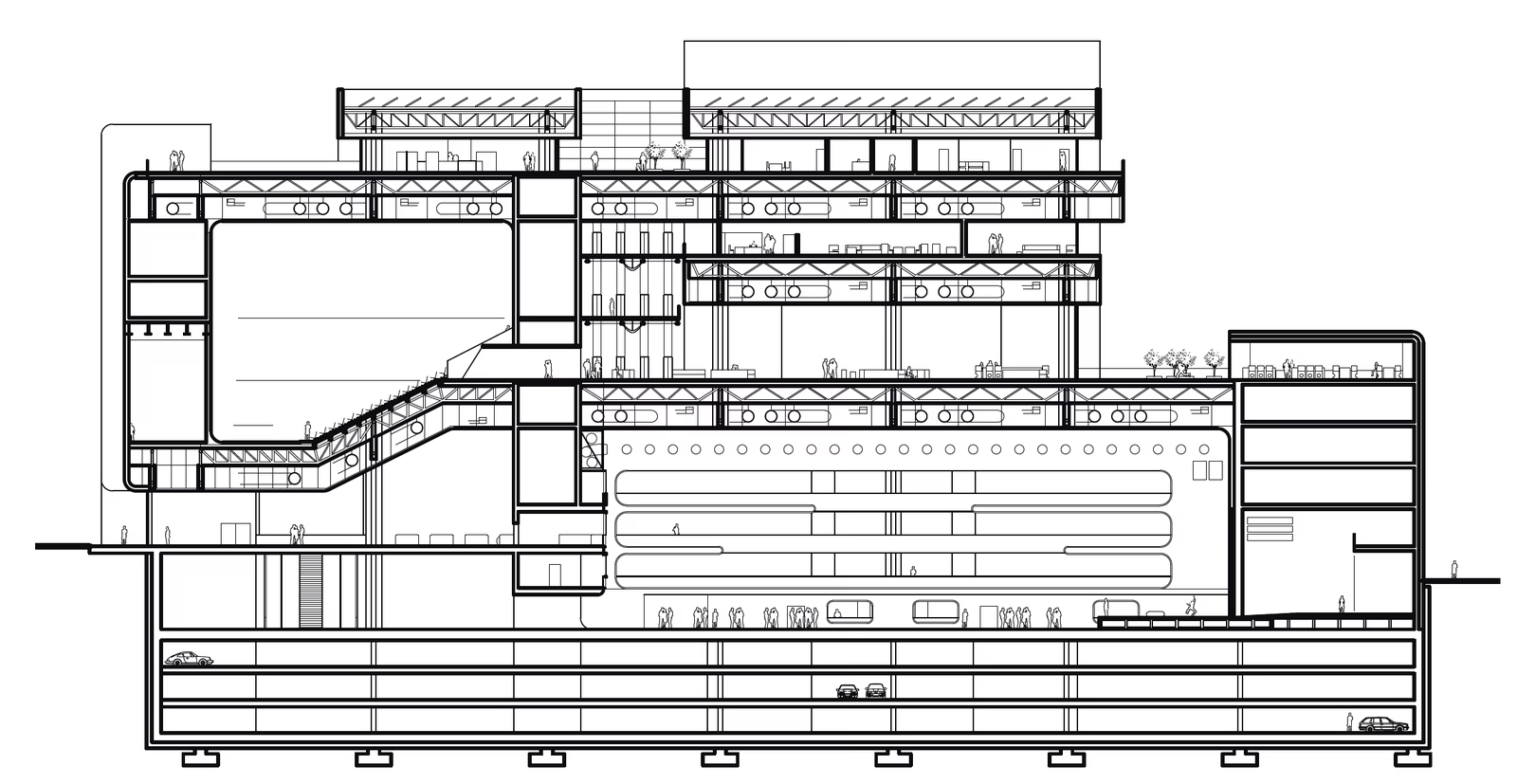
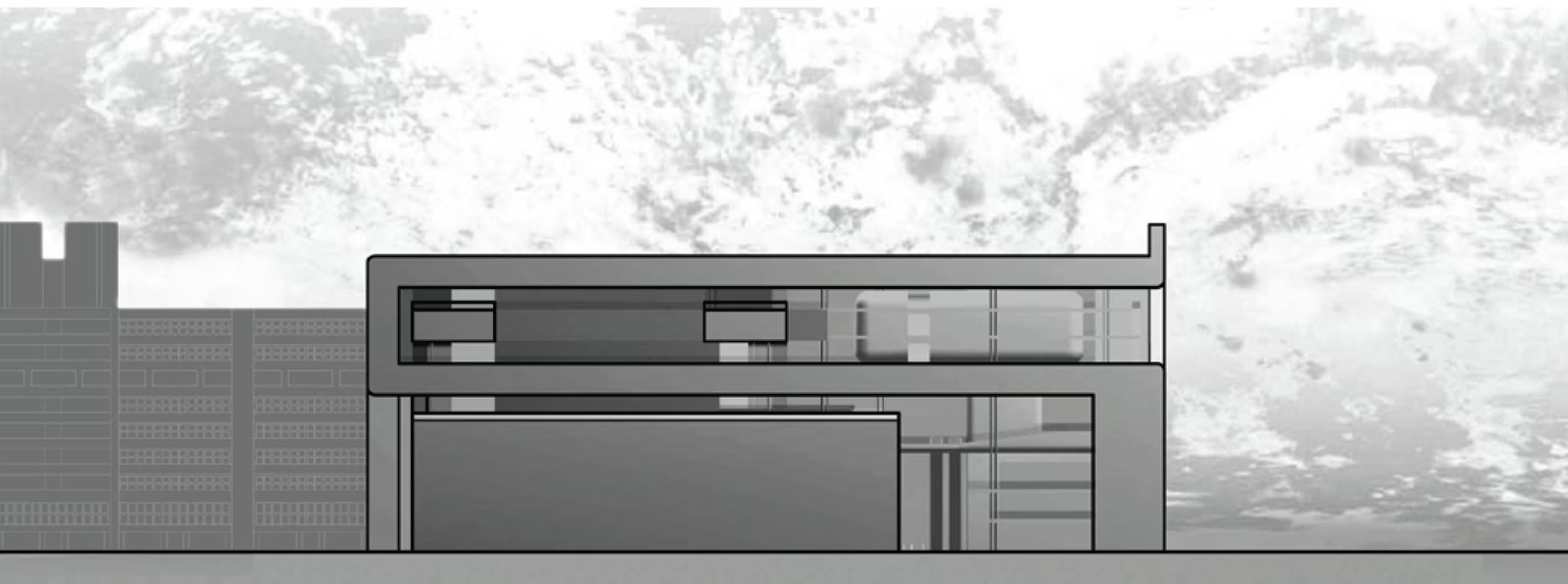
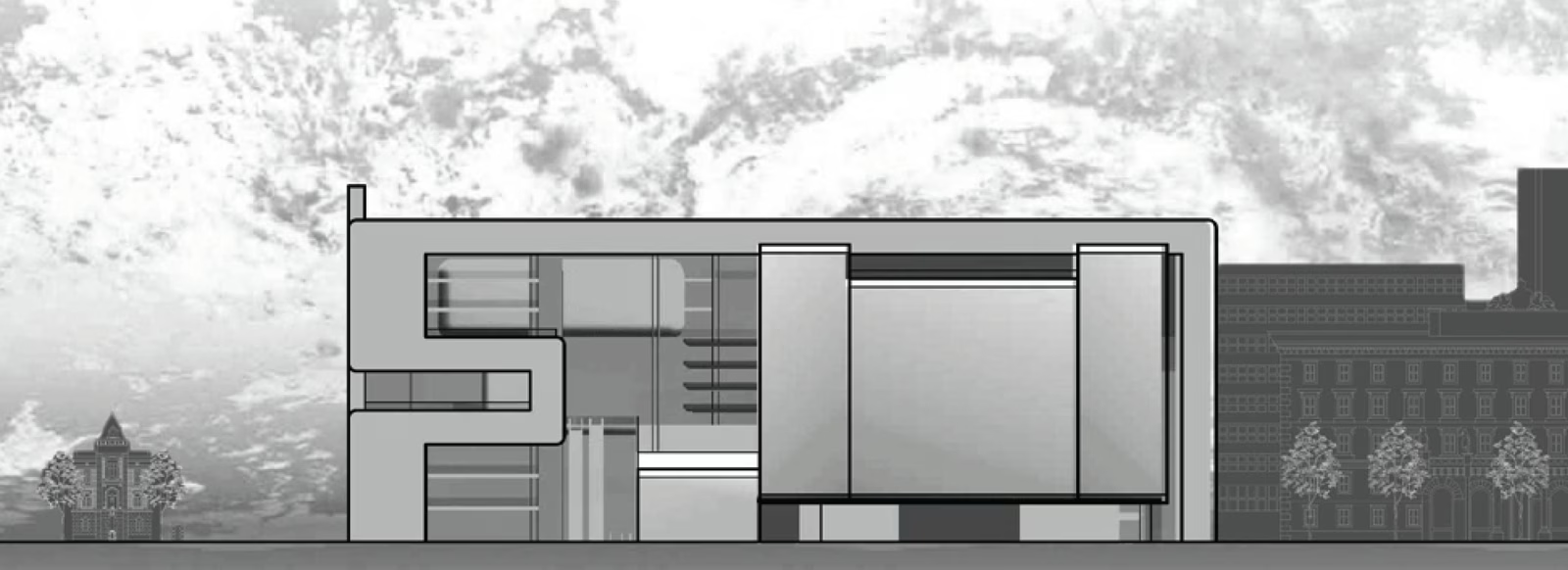
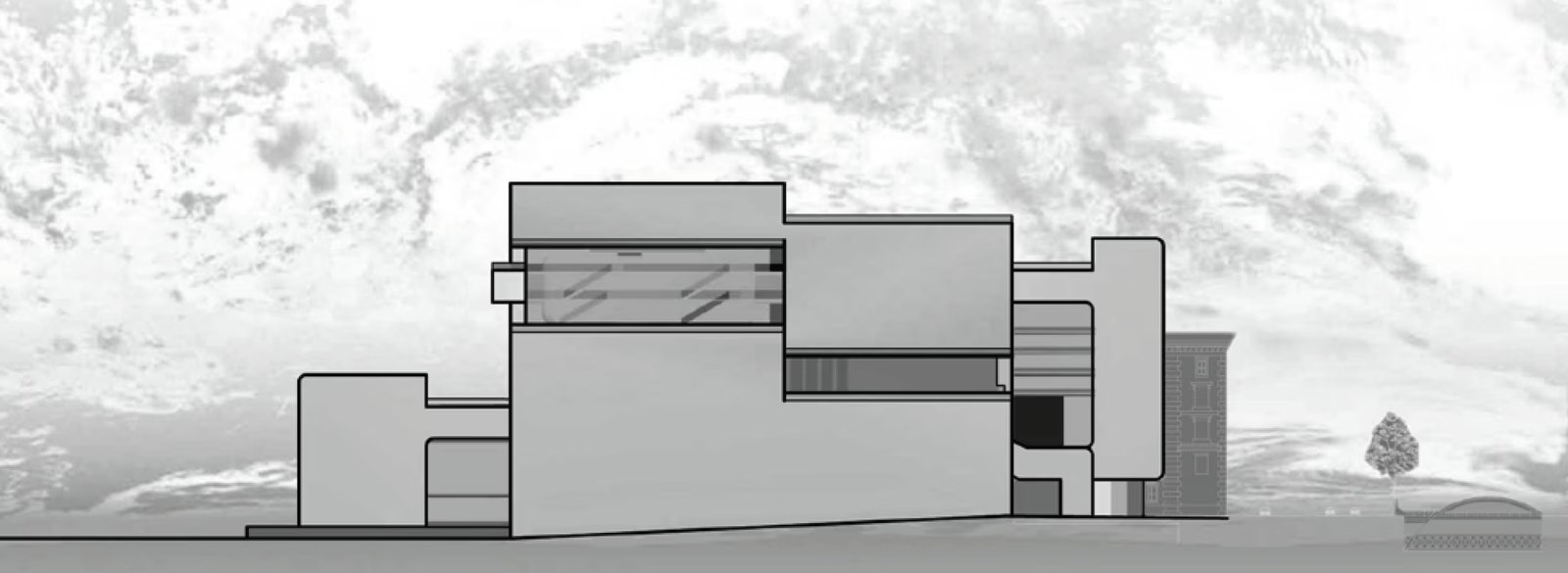
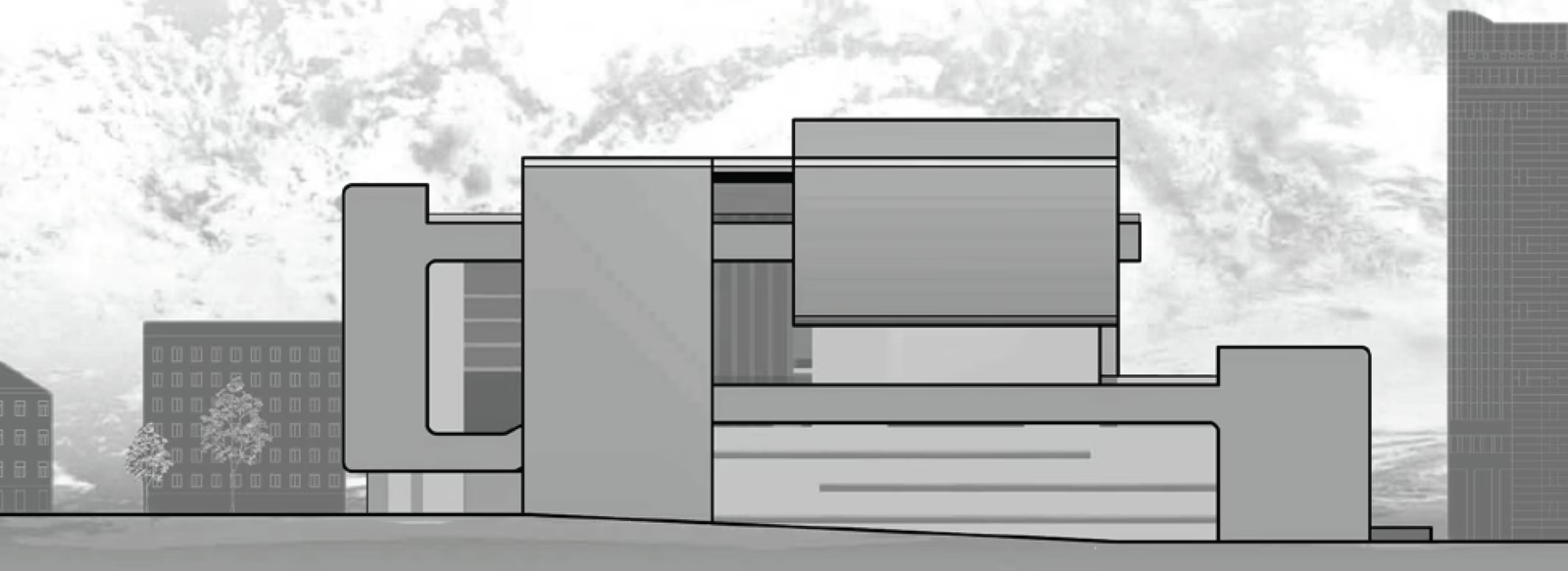
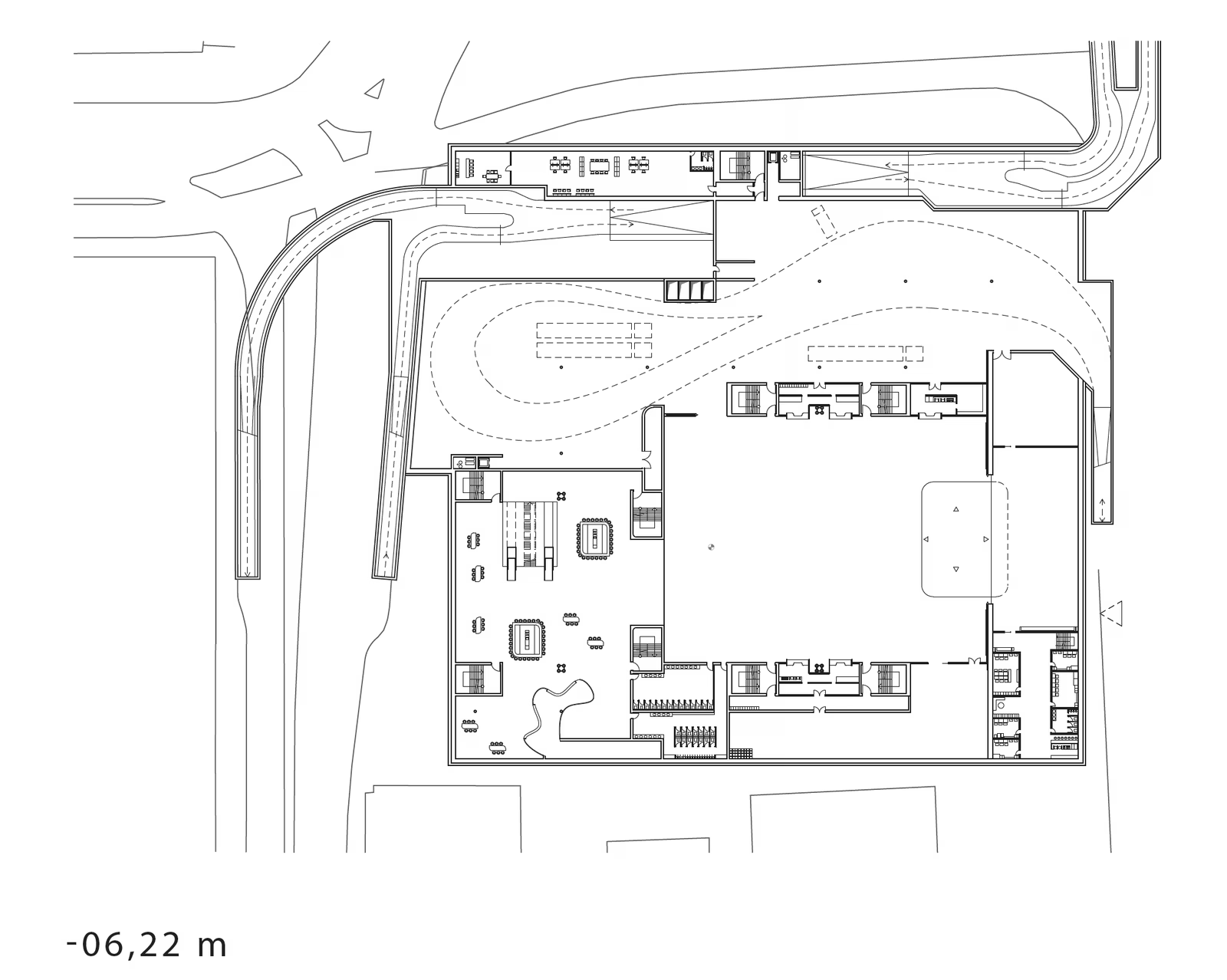
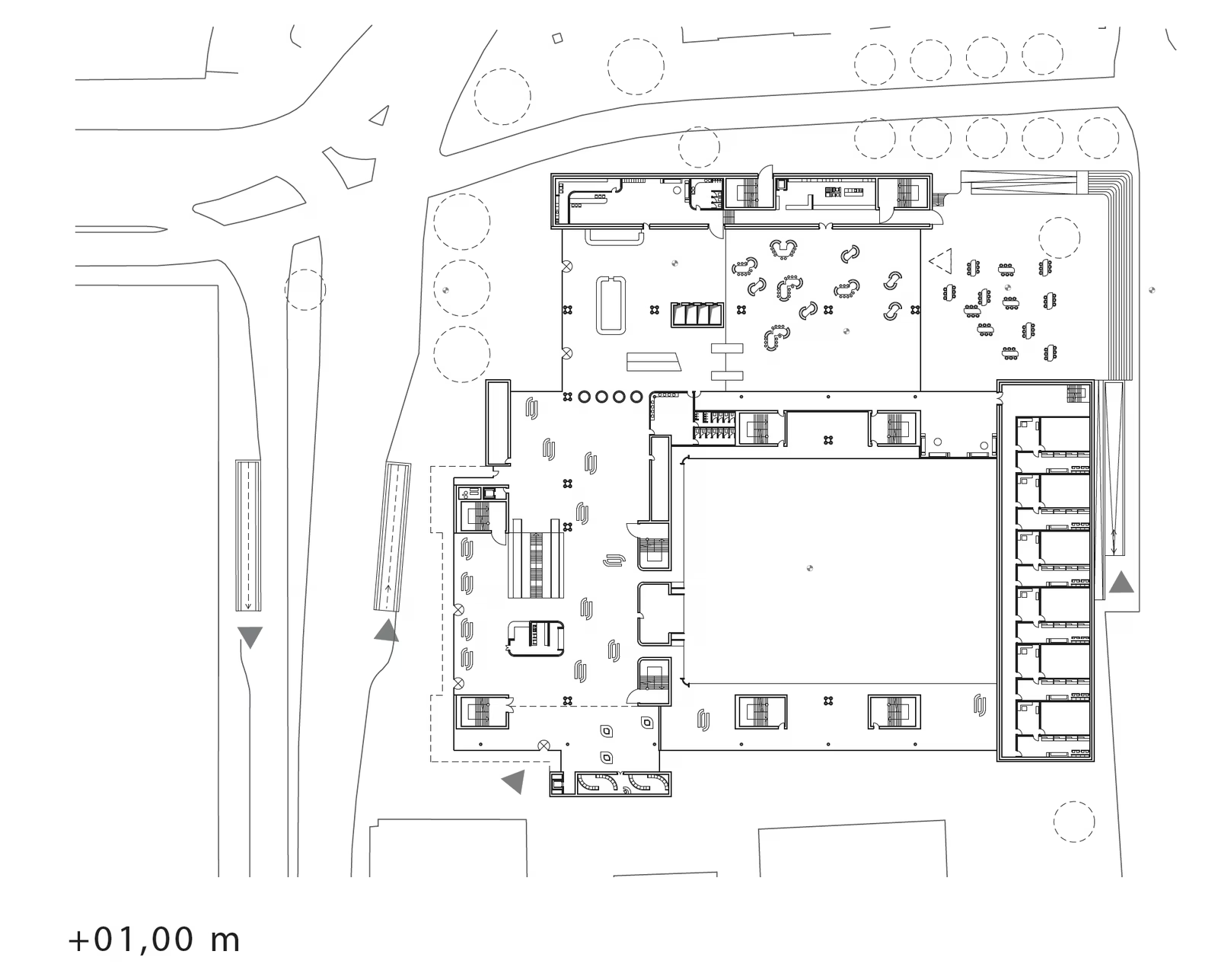
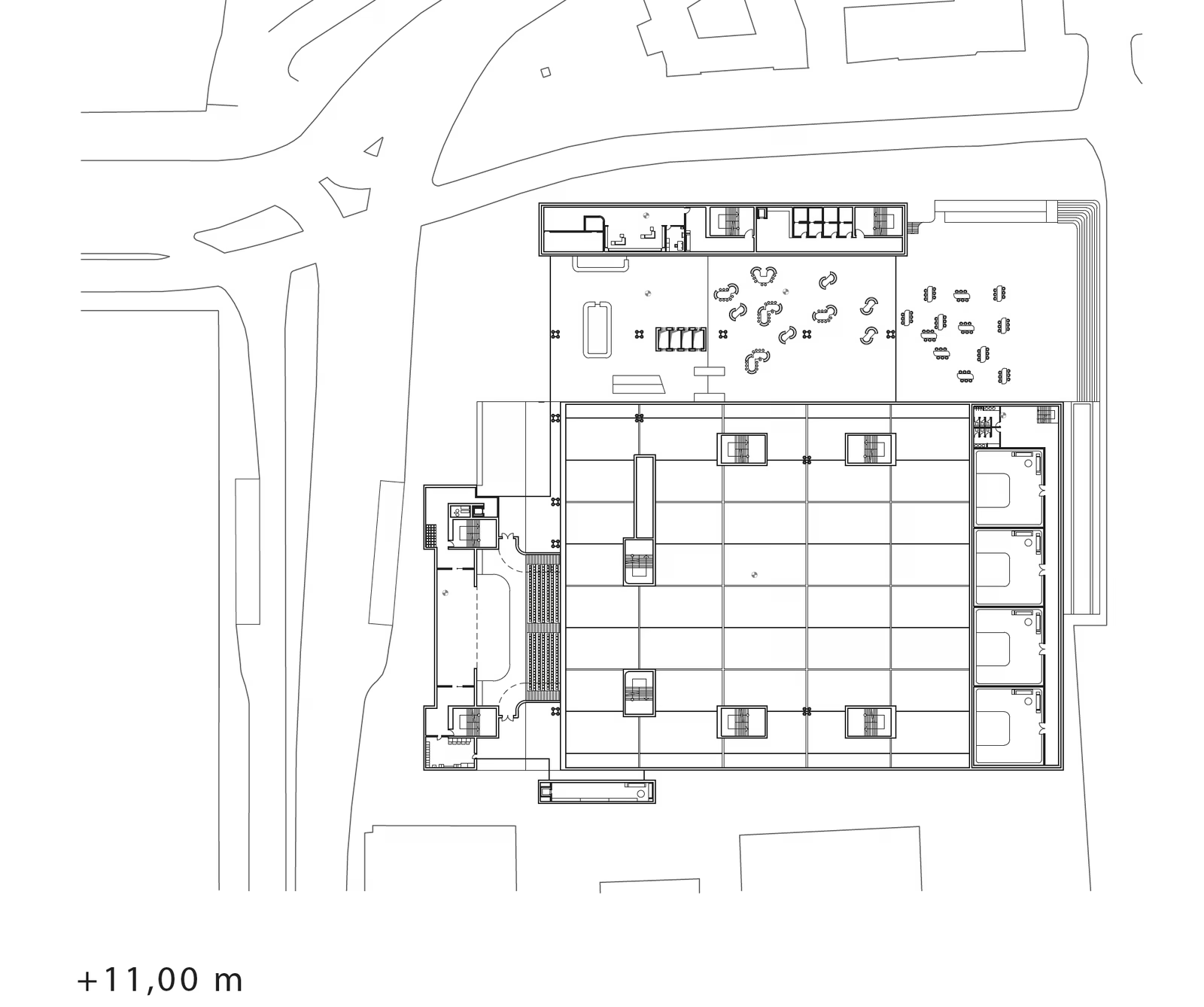
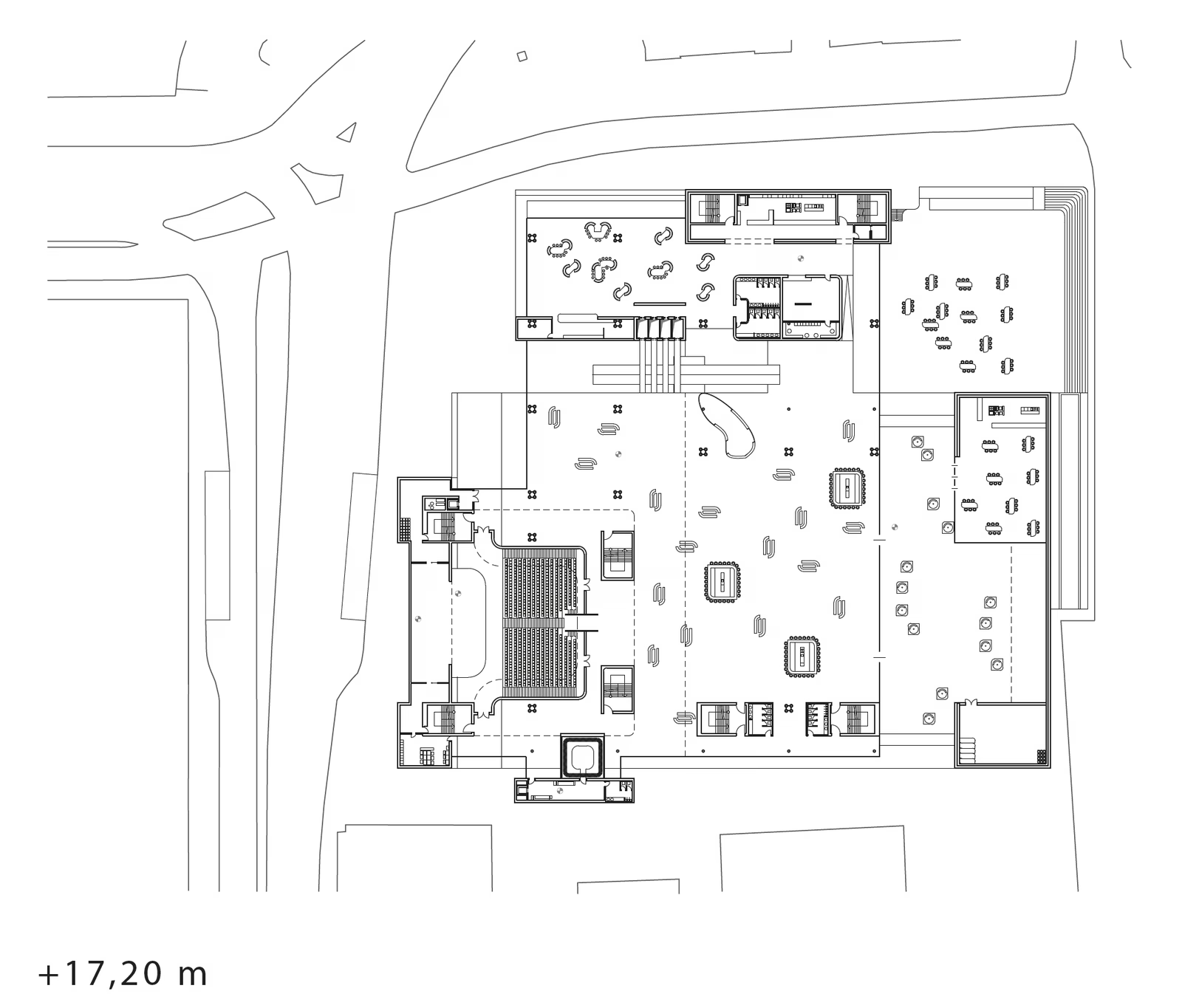
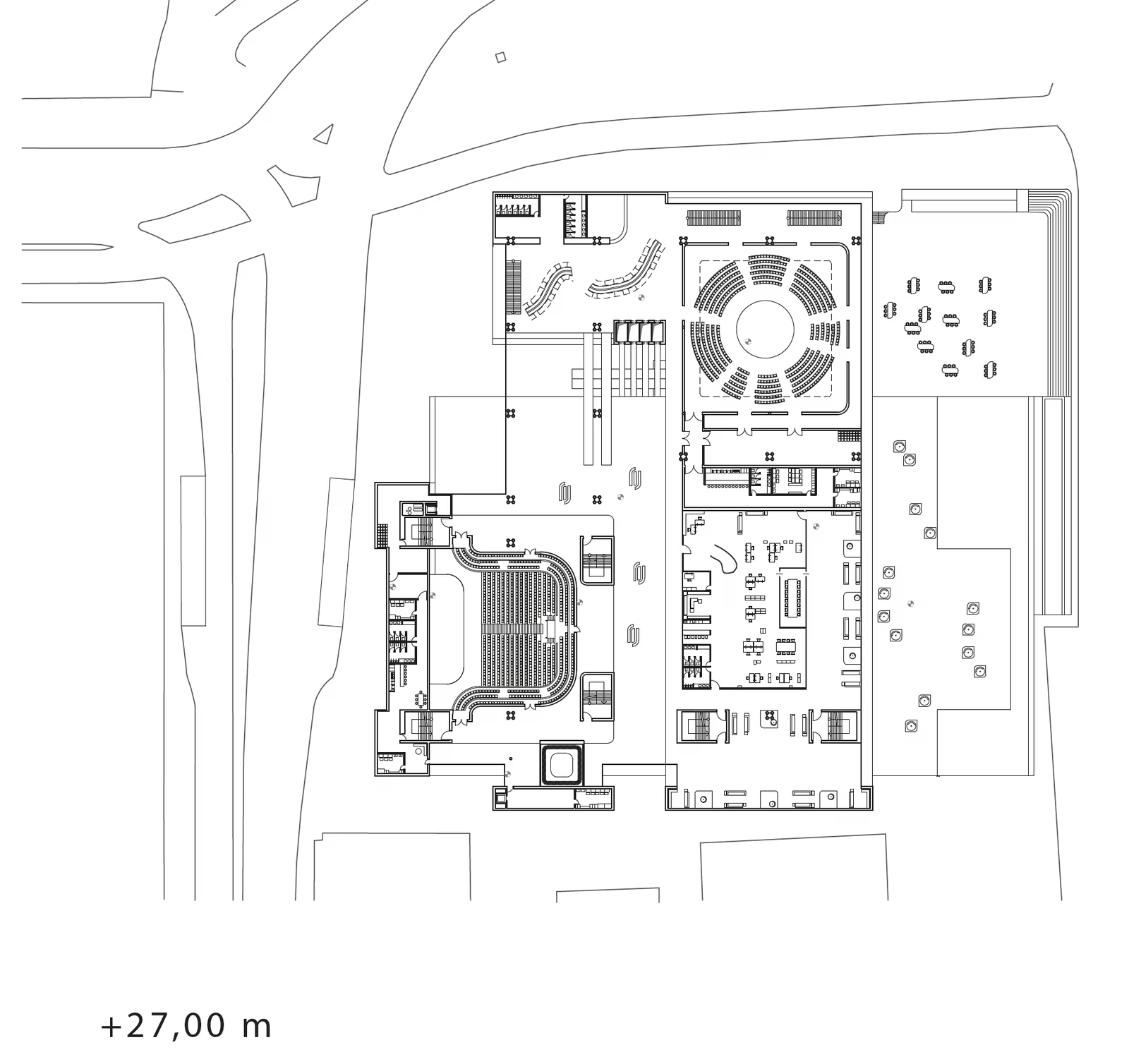
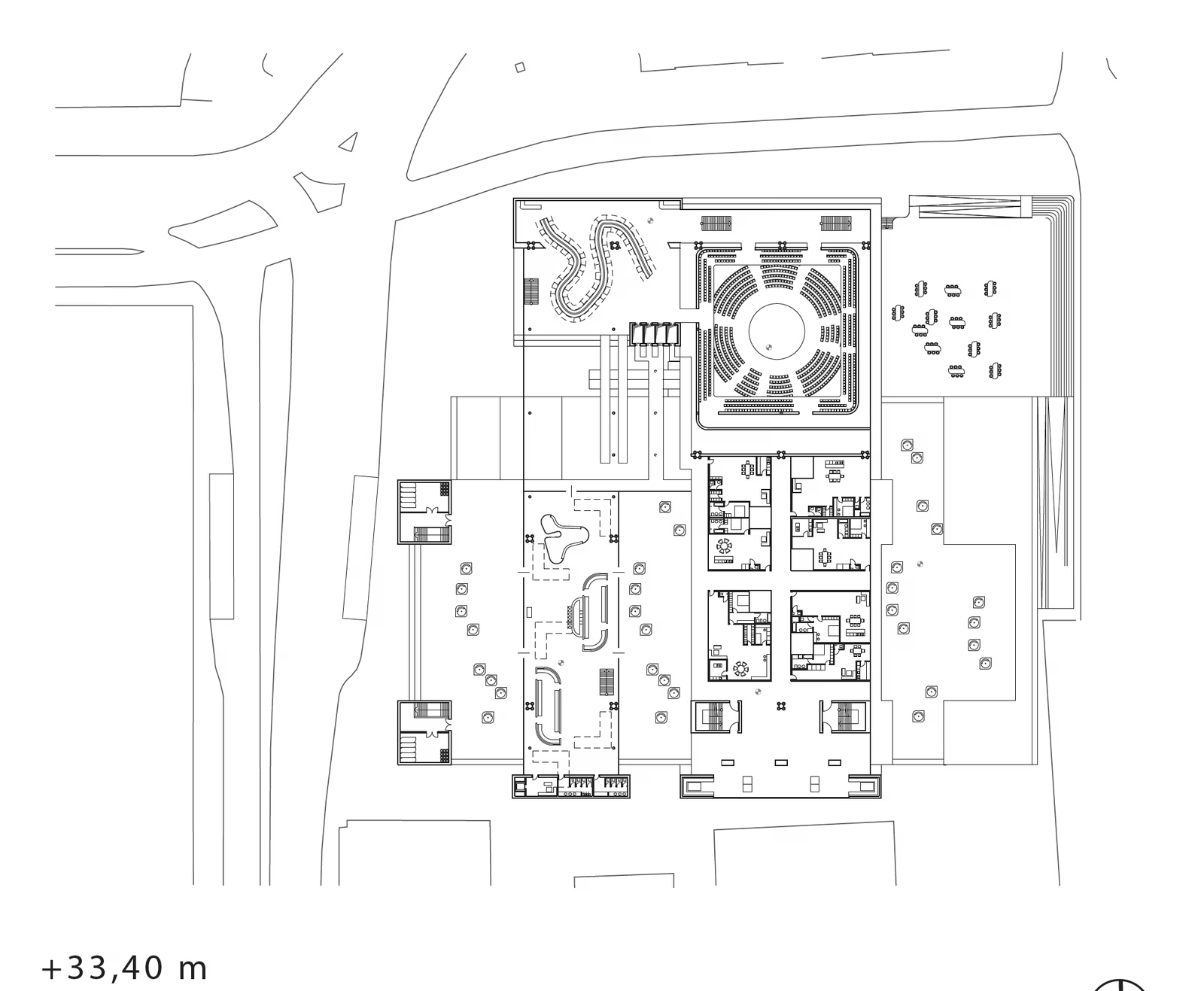
VIENNA CULTURE ZONE Situated in the centre of Vienna, this space - currently privatised - was meant to become part of the urban footprint of the city. Therefore, we started designing a ticket system which would allow anyone to access it at any time, intensifying the feeling of being in the city even whilst inside the structure. This structure is a cultural space where every kind of spectacle can take place. Its form enhances the exchange between visitor and spectator, between being seen and being the one observing - thanks to the continuous opened and closed spaces, which also allow the framing of the city from different heights and perspectives.Flow is a proposal for a Vienna Culture Zone - a privatised urban site in the centre of Vienna transformed into a cultural infrastructure accessible to anyone at any time through a universal RFID ticket system. The structure is a cultural space where any kind of spectacle can take place; its form enhances the exchange between visitor and spectator, between being seen and observing - through continuous open and closed spaces that frame the city from different heights and perspectives. The programme activates a space that belongs to the urban footprint rather than to a private institution. Team: Laura Ulloa + Raphael Kieslinger. TU Vienna. BfNA reading: this project is understood as a case study in learning, attention, social encounter and environmental dignity. It extends beyond architectural production into environmental intelligence / how design decisions can support human adaptation, social responsibility, ecological performance and future evidence-based practice.
[Key Figures]
Typology: cultural _ museum · 2004 · ~12,000 m2 · Programme: performance space + cultural spaces · RFID universal ticket · Vienna city centre
No items found.
[Neural Analysis]
FLOWING ATTENTION: Cultural space is approached as a temporal sequence of attention: compression, release and curiosity shape memory as much as exhibits do.
SOCIAL NEURAL SCIENCE OF CULTURE [S1][B2][L4]: Cultural spaces activate mirror neurons (Rizzolatti & Sinigaglia, 2008, Nat. Rev. Neurosci.) - the neural basis of empathy and social bonding. MacKerron & Mourato (2013): attending arts events ranks in top 5 positive-affect activities [S1]. UNIVERSAL ACCESS: RFID ticket eliminates socioeconomic barrier to cultural participation - reducing the anxiety of institutional threshold-crossing (Louvain Anxiety Scale, Van Hiel, 2006). LIGHT [L4]: Continuous interior-exterior connection maximises natural light; performance spaces require precise tunable lighting (1-10,000 lux) to support circadian health of evening performers and audiences [L1][L4]. ACOUSTICS [A3]: Performance space requires RT 0.8-1.5 s (optimal for music/theatre); surrounding cultural spaces at 40-55 dB. CULTURE, MIRROR NEURONS & SOCIAL BONDING [S1][B2][L4]: Rizzolatti & Sinigaglia (2008, Mirrors in the Brain): attending cultural performances activates mirror neuron circuits - the neural basis of empathy. Experiencing art collectively generates synchronisation of emotional states across audiences - the most powerful natural oxytocin trigger (Dunbar, 2012). MacKerron & Mourato (2013): attending arts events ranks in top 5 positive-affect activities measured. BfNA neural-sciences lens: the relevant question is not only how the project looks, but how it conditions learning, attention, social encounter and environmental dignity over time, across different bodies, neurotypes and social realities.
[Social Impact]
SOCIAL: Culture becomes an accessible movement ecology rather than a static monument.
[ROI Sustainability]
ROI: Research value lies in transferable strategies for circulation-led cultural engagement.
ROI: Cultural investment ROI: Vienna's cultural economy generates €5.1 billion/yr (Vienna Cultural Economy Report). Universal access models increase footfall and cultural tourism. SUSTAINABILITY: Efficient steel + glass structure; RFID ticketing eliminates paper waste. CULTURAL DEMOCRACY ROI: RFID universal access: reduces ticket transaction cost 40-60% vs box office. Cultural inclusion: every 10% increase in cultural participation reduces social isolation indicators by 8% (European Capital of Culture studies, 2023). ESG / investment lens: the value of this project is not limited to carbon or certification. It includes education outcomes, cognitive equity and long-term institutional value, producing evidence that can inform investors, public actors, operators and future environmental standards.
[Applied R&D Lens]
Measure attention duration and recall across compressed, open and transitional zones.
The cultural democracy experiment is measurable through attendance data, but the neural science goes deeper. BfNA's Applied R&D would deploy mirror neuron activation measurement - EEG gamma wave tracking during live cultural performance - across Flow's audience population, correlating the universal RFID access model with oxytocin levels and social cohesion indicators across economic groups. The hypothesis: removing the institutional barrier measurably increases the oxytocin baseline of the performance experience by including social groups who have never previously attended live culture. Does free access to beauty change the chemistry of those who receive it? Flow tests this at urban scale.Future data layer: deployed through BfNA, the project could become a longitudinal dataset linking environmental conditions, behavioural patterns, social outcomes and ecological performance / transforming built space into knowledge for future design.
Citations:
Sources: Rizzolatti & Sinigaglia (2008) Mirrors in the Brain · MacKerron & Mourato (2013) Psychol. Sci. · Dunbar (2012) New Scientist oxytocin · Vienna Cultural Economy Report (2022). · Neuroaesthetics; museum studies; Chatterjee & Vartanian 2014.
Copyright:
Project Credits: Independent cultural-infrastructure research / Laura Ulloa; Team: Raphael Kieslinger.Laura Role: Laura Ulloa - Project Leader / lead responsibility where documented in CV, office records or project archive.Image Credits: © Laura Ulloa / BfNA. Images and third-party material remain.Source: source to be confirmed.Project Credits & Copyright Notice: Every effort has been made to identify and acknowledge architects, consultants, collaborators, photographers, visualisation studios and other contributors associated with each project. Project descriptions have been rewritten and curated by Bureau for Neural Architecture (BfNA). Architectural works, photographs, renderings, drawings, trademarks and visual material remain the property of their respective authors, studios, photographers, visualisation teams and rights holders. Contributors are credited wherever information is available. Rights remain with their respective authors and rights holders.
© 2026 Bureau for Neural Architecture. Developed by Cavolo Studio.
Privacy Policy & Legal Notice
