


Directed by Laura Ulloa, BfNA explores and designs for the reciprocal dynamics between environments, cognition and collective adaptation.

NEO - Maastricht
urban _ mixed-use
Maastricht
Netherlands
Independent urban research / Laura Ulloa
Project
Neo / urban _ mixed-use
[Summary]
Roman substrate, contemporary mass / urban hybridity as layered memory and civic continuity.
[Team]
Marina Crespo + Michiel Brons
[Temporal Arc]
Immediate (temporal heterogeneity - medieval + contemporary) · Chronic (place identity across tenure) · Transgenerational (historic city fabric)
[Direction of Effect]
ENCODE (temporal depth) · ORIENT (body in historic city) · REGULATE (density without rupture)
[Neural Tags]
S2 = Collective memory + spatial identity · B3 = Biophilic volume
[Biological System]
Memory consolidation · Hippocampal encoding · Autonomic regulation · Allostasis
[Description]
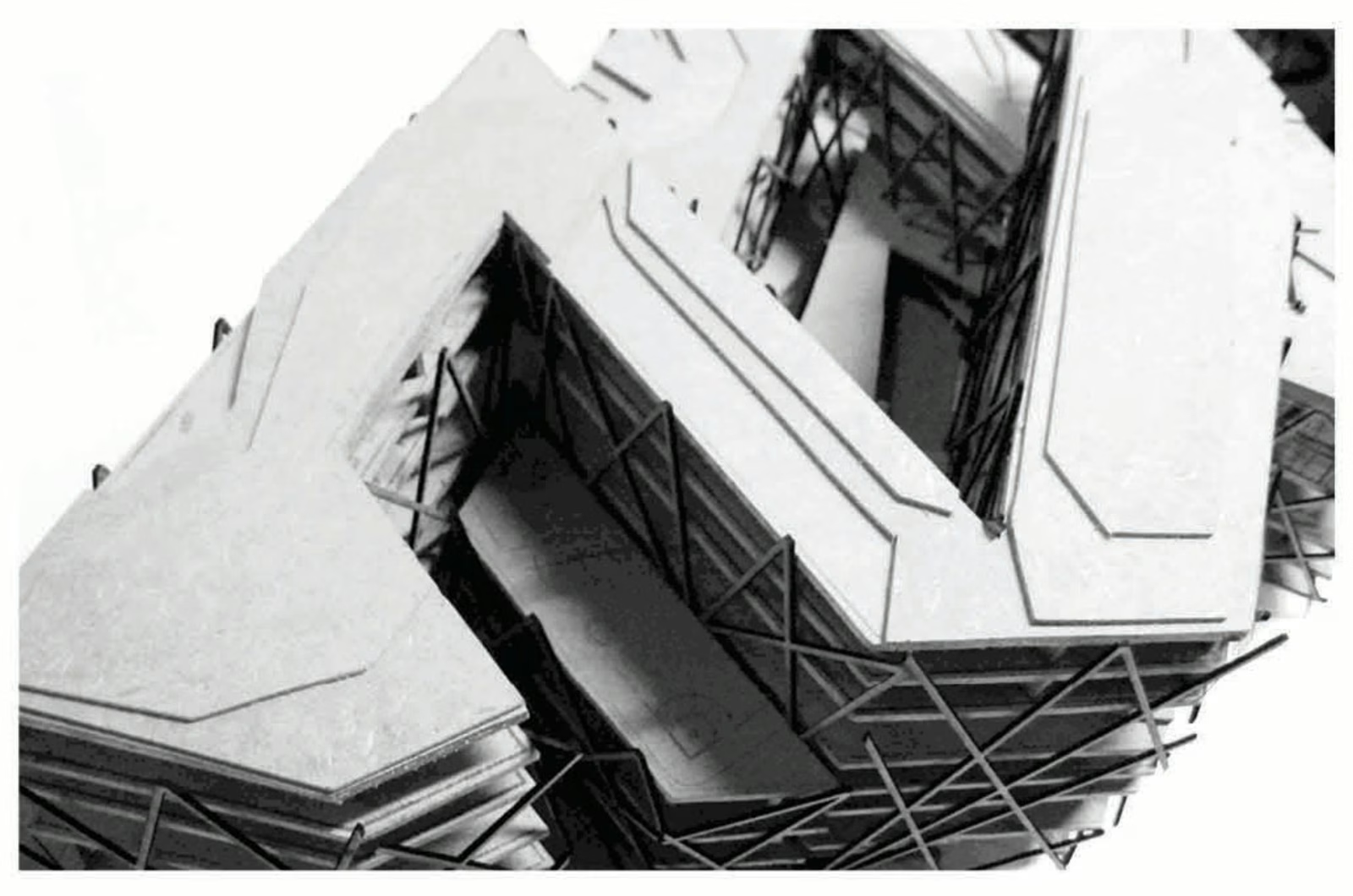
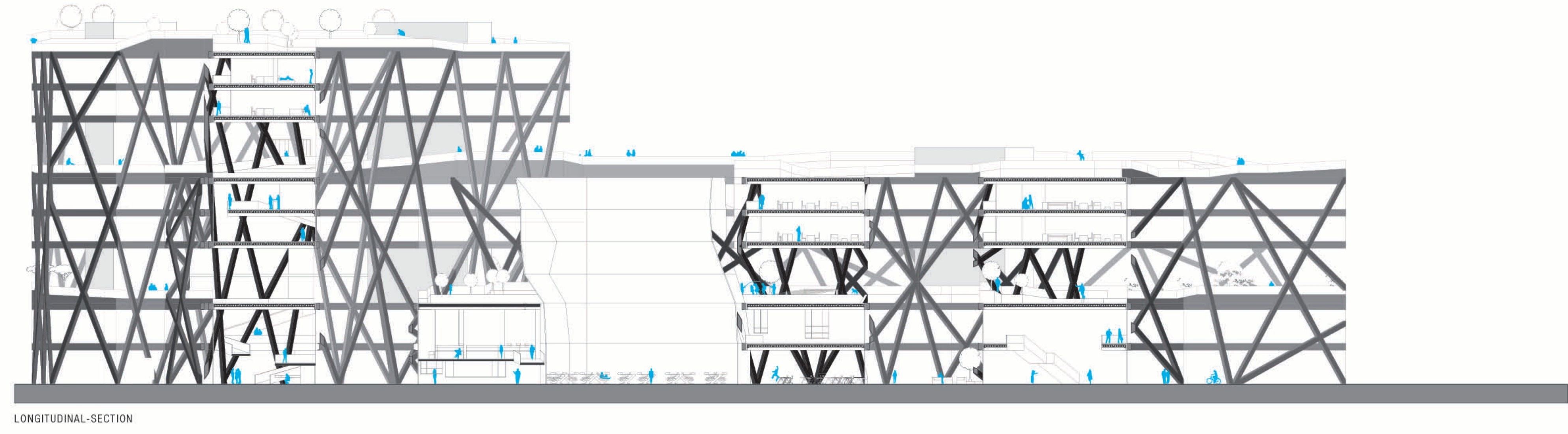
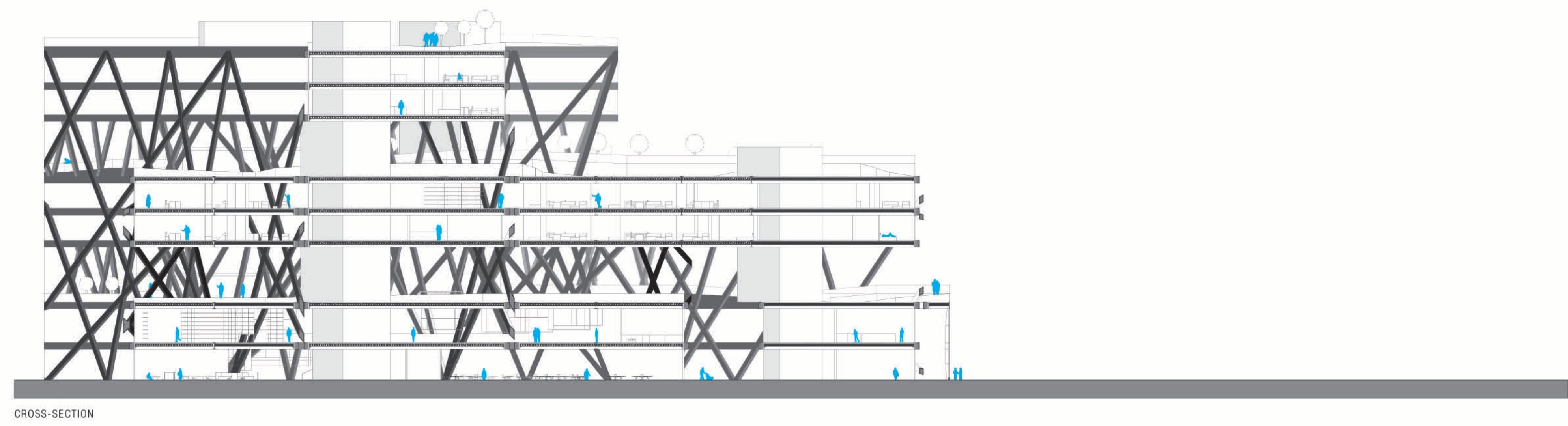
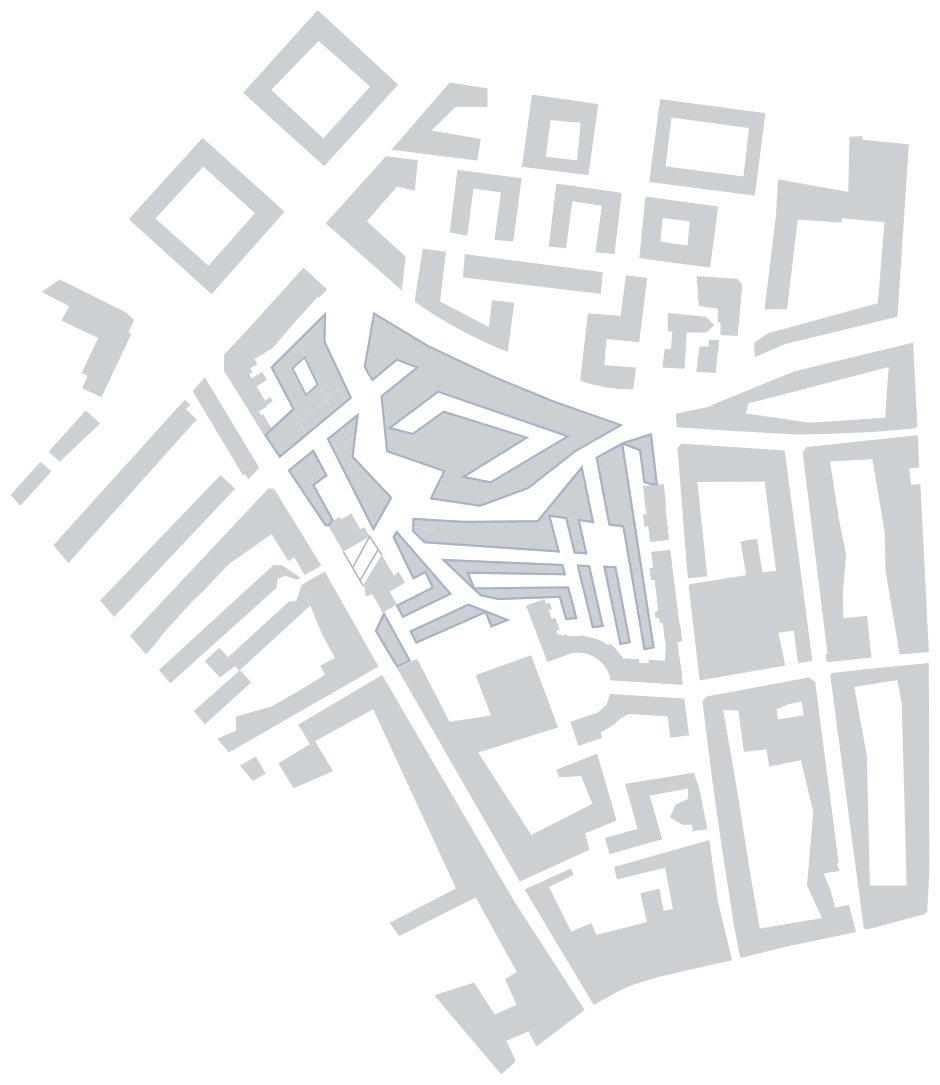
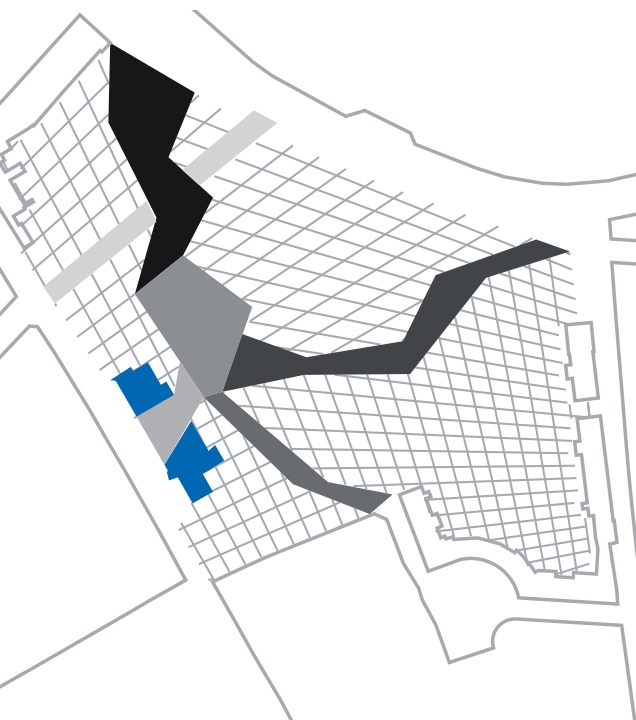
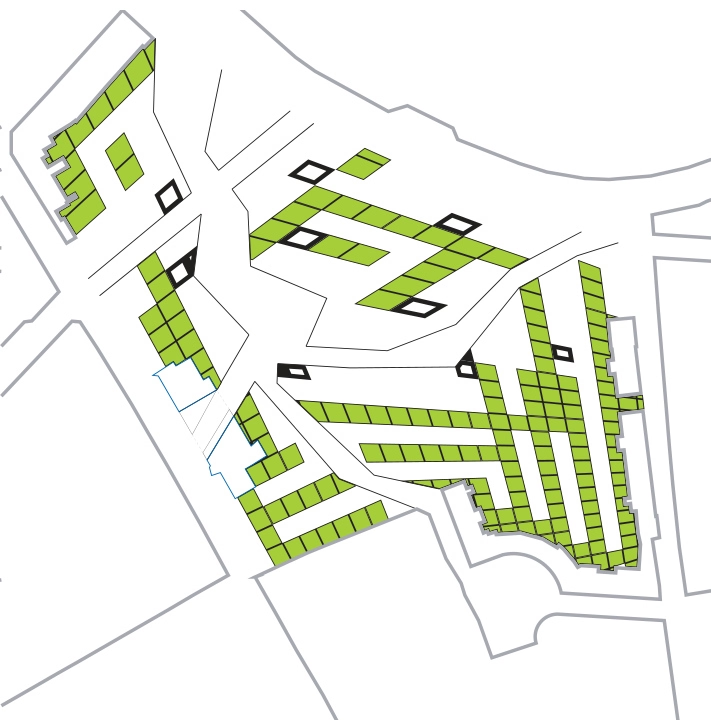
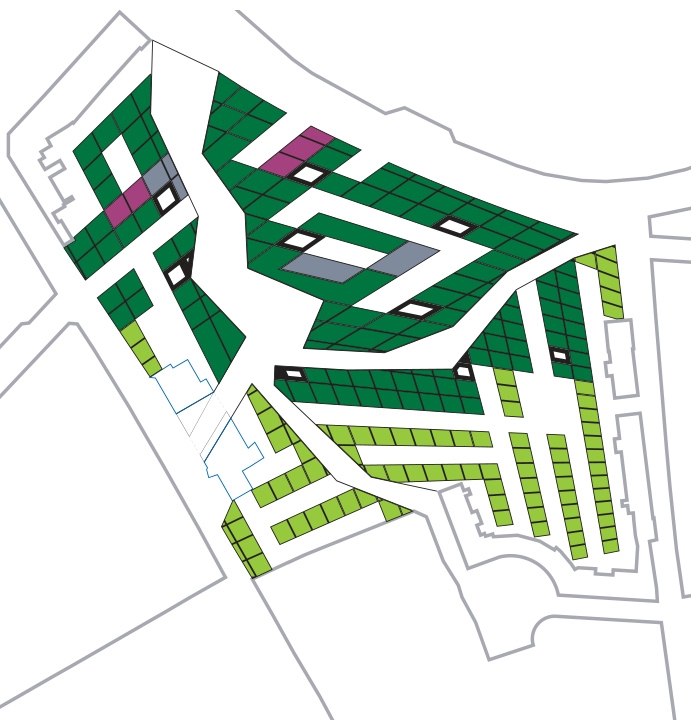
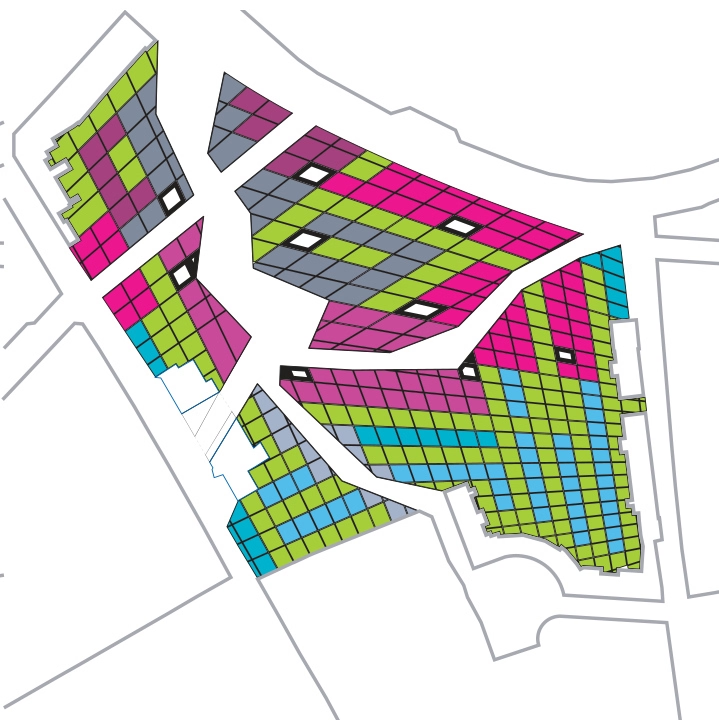
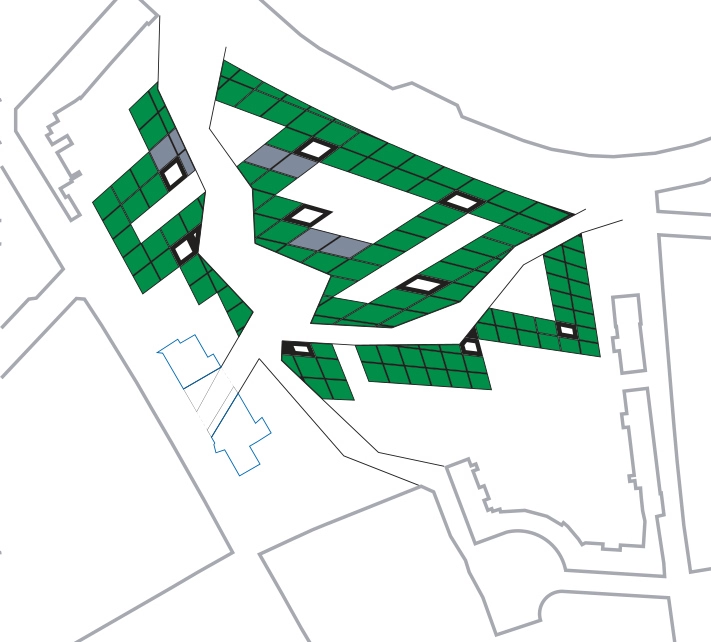
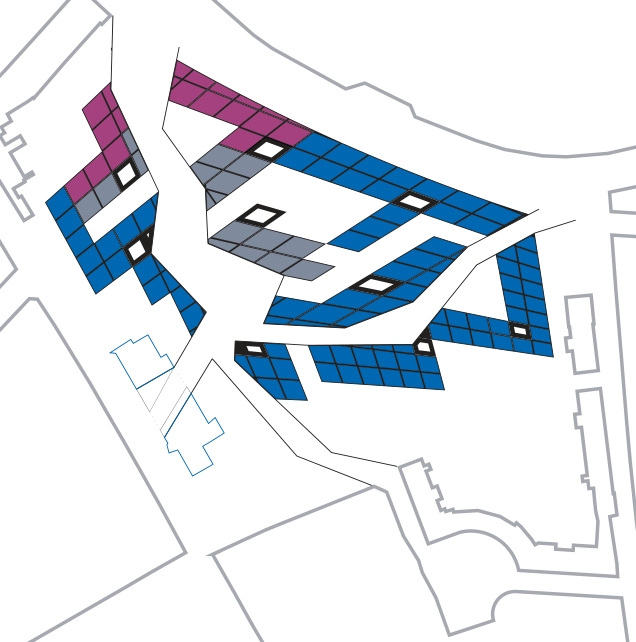
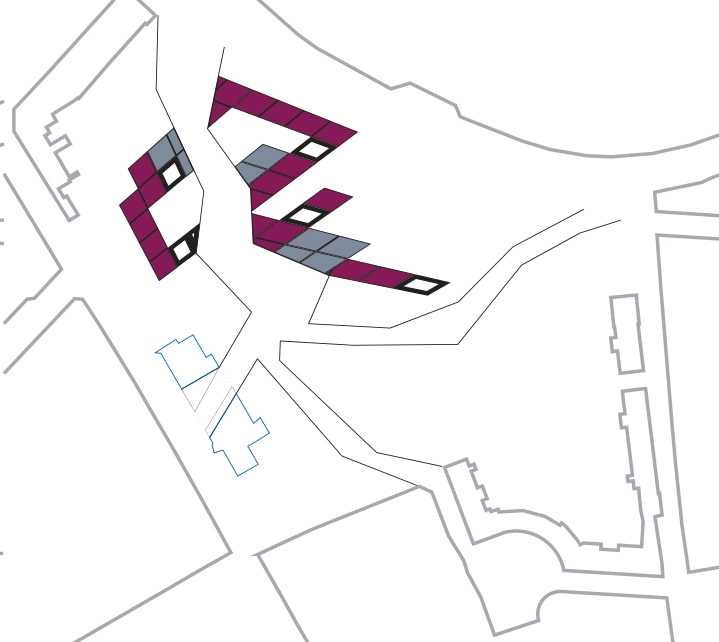
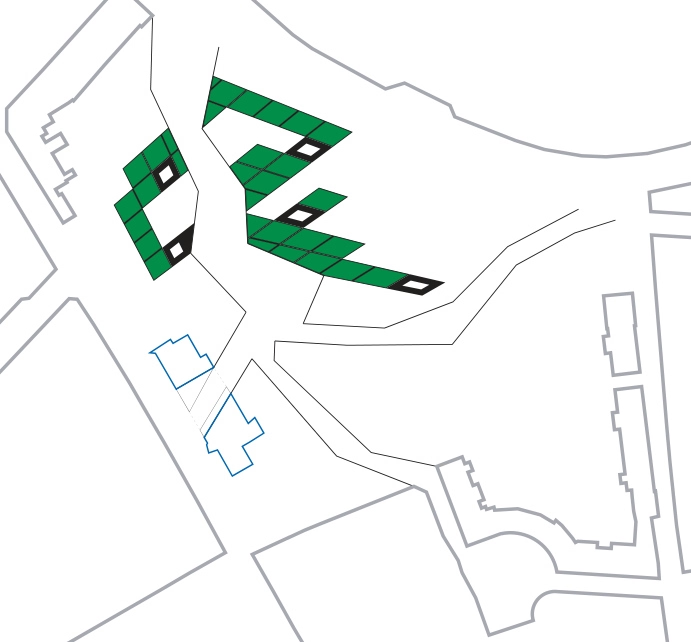
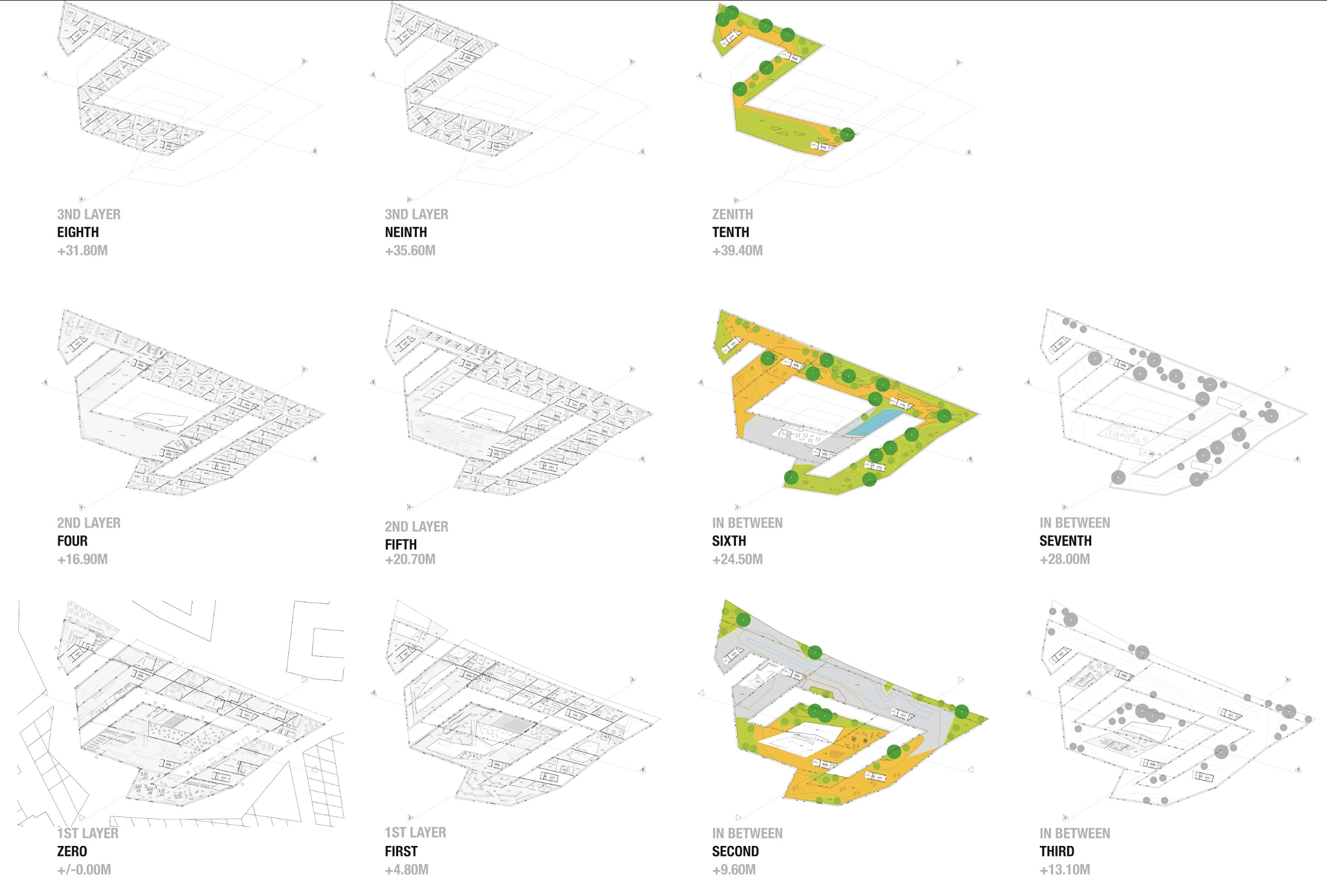
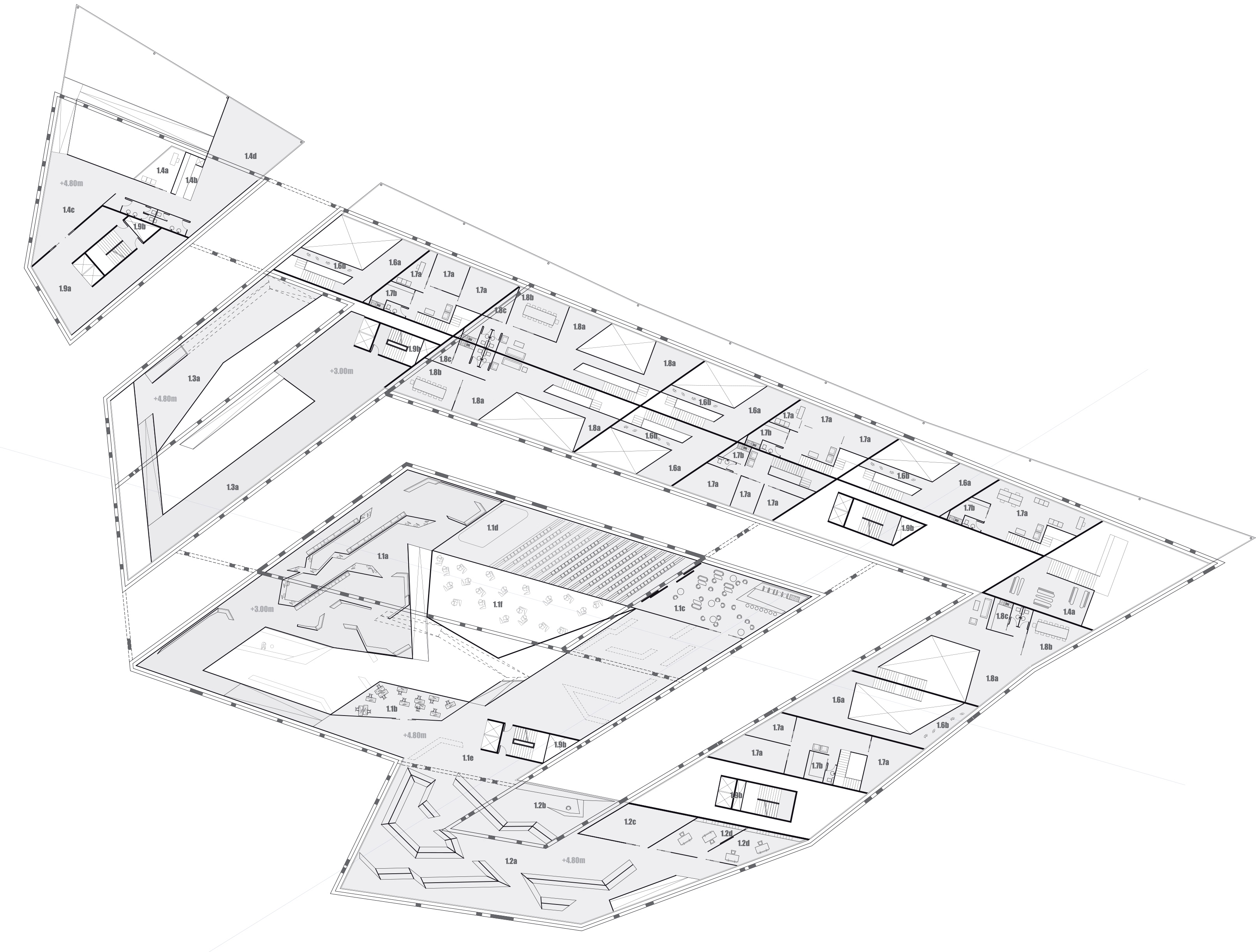
MASTERPLAN AND HYBRID STRUCTURE Located at the centre of Maastricht between the medieval city centre and a new development area, we focused on reconnecting the neighbouring areas. After visiting and analysing the site, we developed first a masterplan, working with parameters of size, speed, calm and busy zones and programme within a grid, which would allow us to organise space coherently in context. Afterwards we focused on a part of it. The part we worked on mainly emphasises cultural interchange, recreation and living in an urban network, by mixing different programmes in a systematic hierarchy. The ground floor is open to everybody: exhibition spaces, cafés, shops and gardens contribute to the flow of citizens. On top of them are semi-public gardens located which are more used by frequent visitors, clients and friends.Neo is an academic project and finalist proposal for urban densification adjacent to Maastricht's medieval city centre - a masterplan and hybrid structure exploring the reconnection of the historic urban fabric to a new development area. The masterplan works with parameters of size, speed, and programme within a grid that allows spatial coherence within context. The hybrid structure focuses on cultural interchange, recreation, and residential use: the ground floor is open to all - exhibition spaces, cafés, shops, and gardens generating the flow of citizens. Semi-public gardens above serve residents and community members. The dark, recessive facade creates clear hierarchy with the medieval fabric. TU Delft Erasmus MArch. BfNA reading: this project is understood as a case study in movement, orientation, accessibility, safety, social mixing and collective behaviour. It extends beyond architectural production into environmental intelligence / how design decisions can support human adaptation, social responsibility, ecological performance and future evidence-based practice.
[Key Figures]
Typology: urban _ mixed-use · 2007-2008 · Masterplan: ~15 ha · Hybrid structure: ~8,000 m2 · Programme: culture + retail + housing · Maastricht, Netherlands · TU Delft Erasmus MArch

No items found.
[Neural Analysis]
HYBRID COGNITION: Mixed programme is treated as a cognitive condition: adjacency, overlap and conflict create novelty but also demand legibility.
TEMPORAL HETEROGENEITY [S2][B3]: Reconnecting medieval architecture to contemporary development creates architectural temporal diversity - activating spatial memory (hippocampus) and reinforcing place identity. Kaplan ART (1995): familiar environments with layered meaning provide 'extent' and 'compatibility' - two key restorative dimensions [S2]. The Tandfonline (2024) systematic review confirms that buildings articulating outdoor nature views with interior spatial variety produce large adaptive functioning effect sizes [B3]. URBAN GRADIENT [S1][A3]: The ground floor open-to-all with ascending semi-public zones creates the social density gradient (Gehl, 1987) that maximises informal social encounter [S1] while managing noise [A3] through vertical zoning. TEMPORAL HETEROGENEITY & HIPPOCAMPAL ENRICHMENT [S2][B3]: Architecture layering historical periods activates the hippocampus's spatial navigation circuits in an enriched way. Maguire et al. (2000, PNAS): spatial complexity drives hippocampal growth. Medieval-to-contemporary transition zones require continuous spatial re-calibration - a cognitively enriching experience providing Kaplan's (1995) "extent" and "complexity" - two of the four restorative dimensions. BfNA neural-sciences lens: the relevant question is not only how the project looks, but how it conditions movement, orientation, accessibility, safety, social mixing and collective behaviour over time, across different bodies, neurotypes and social realities.
[Social Impact]
SOCIAL: The project examines how density can produce exchange rather than segregation.
[ROI Sustainability]
ROI: Research contribution lies in programme strategies for resilient mixed urban fabrics.
ROI: Maastricht city centre; quality densification commands premium values. Cultural ground floor generates footfall and economic activity for the whole neighbourhood. SUSTAINABILITY: Dense urban structure reduces per-capita land use and infrastructure costs. MAASTRICHT PREMIUM DENSIFICATION: Maastricht city centre: €4,500-6,500/m2 residential (2024). Cultural programme at ground floor: footfall generation = commercial viability for the whole block. Dense urban structure reduces per-capita energy use 35-50% vs suburban equivalent. ESG / investment lens: the value of this project is not limited to carbon or certification. It includes public value, climate adaptation, inclusion and civic resilience, producing evidence that can inform investors, public actors, operators and future environmental standards.
[Applied R&D Lens]
Map programme overlaps against dwell, avoidance and social interaction.
The temporal heterogeneity of Neo's medieval-contemporary juxtaposition creates a measurable hippocampal enrichment condition. BfNA's Applied R&D would deploy spatial memory testing across Neo's occupant and visitor population - measuring the richness and durability of spatial memory encoding after exposure to the building's temporal contrast, compared against baseline measurements in single-period environments. Maguire et al.'s hippocampal growth protocol provides the measurement framework: does sustained exposure to architectural temporal complexity measurably increase hippocampal volume over a semester of inhabitation? Maastricht as the laboratory. Neo as the variable. The hippocampus as the measurement instrument.Future data layer: deployed through BfNA, the project could become a longitudinal dataset linking environmental conditions, behavioural patterns, social outcomes and ecological performance / transforming built space into knowledge for future design.
Citations:
Sources: Kaplan (1995) Env. & Behav. ART · Maguire et al. (2000) PNAS hippocampus spatial · MacKerron & Mourato (2013) Psychol. Sci. · Lynch (1960) The Image of the City. · Mixed-use urbanism; cognitive mapping; TU Delft research context.
Copyright:
Project Credits: Independent urban research / Laura Ulloa; Team: Marina Crespo + Michiel Brons.Laura Role: Laura Ulloa - Project Leader / lead responsibility where documented in CV, office records or project archive.Image Credits: © Laura Ulloa / BfNA. Images and third-party material remain.Source: http://lauravirginiaulloaquiroga.blogspot.in/p/neo.html.Project Credits & Copyright Notice: Every effort has been made to identify and acknowledge architects, consultants, collaborators, photographers, visualisation studios and other contributors associated with each project. Project descriptions have been rewritten and curated by Bureau for Neural Architecture (BfNA). Architectural works, photographs, renderings, drawings, trademarks and visual material remain the property of their respective authors, studios, photographers, visualisation teams and rights holders. Contributors are credited wherever information is available. Rights remain with their respective authors and rights holders.
© 2026 Bureau for Neural Architecture. Developed by Cavolo Studio.
Privacy Policy & Legal Notice
