


Directed by Laura Ulloa, BfNA explores and designs for the reciprocal dynamics between environments, cognition and collective adaptation.

Young Architects - Space to Culture, Bologna
urban mixed-use
Bologna
Italy
UNO = Ulloa + Clemens Nocker
Competition Entry
Space to Culture Bologna / urban mixed-use
[Summary]
An industrial shell redistributed into creative typologies / reuse as cultural metabolism.
[Team]
Ulloa + Clemens Nocker
[Temporal Arc]
Immediate (creative activation) · Ultradian (creative work + social rhythm) · Chronic (creative community identity)
[Direction of Effect]
ACTIVATE (creative flow) · ENCOUNTER (community making) · RESTORE (post-industrial space)
[Neural Tags]
S1 = Social contact activation · B3 = Biophilic volume · B2 = Semi-private biophilic zone
[Biological System]
Molecular signalling (dopamine, endorphins) · Autonomic regulation · Neuroplasticity
[Description]
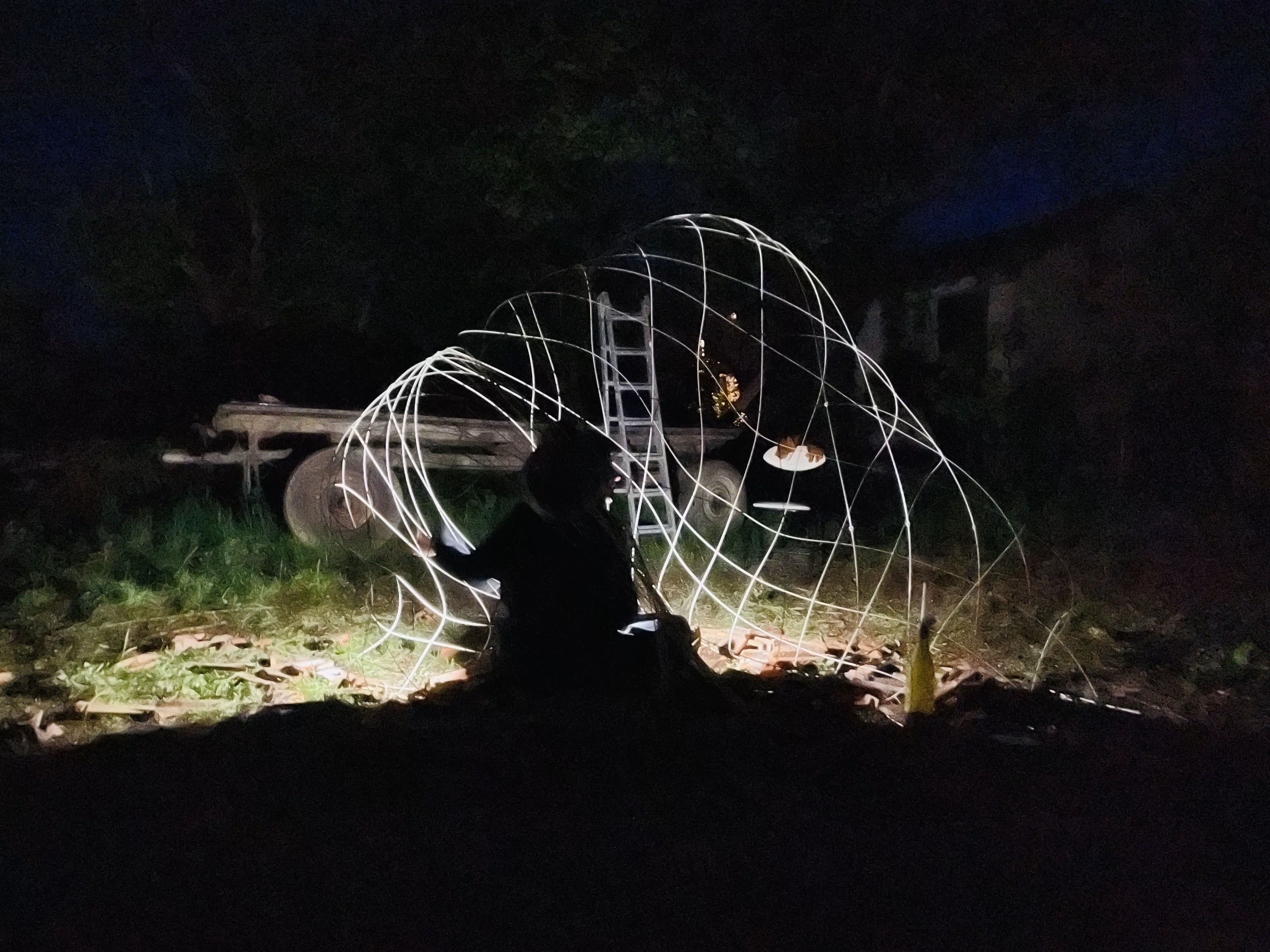
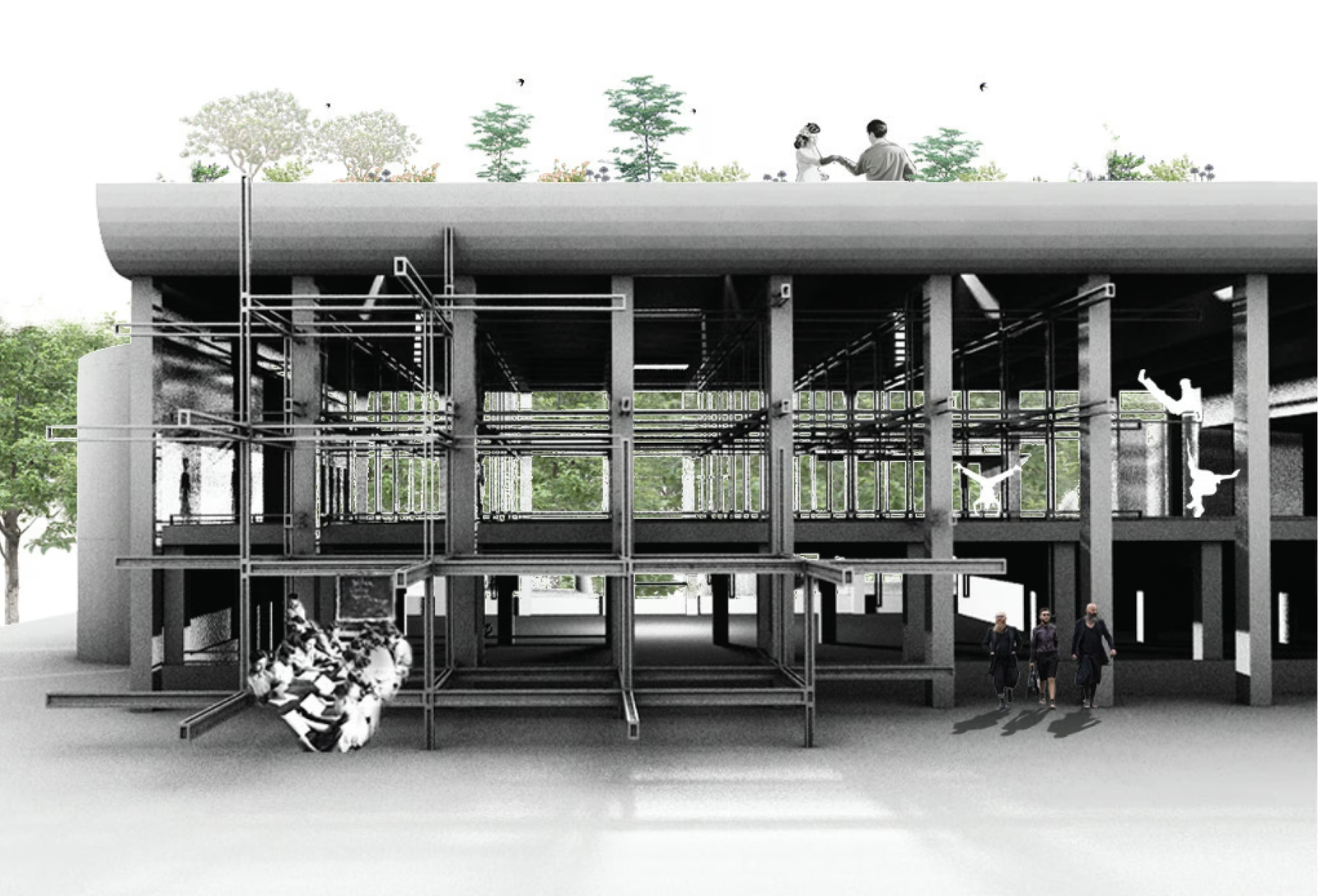
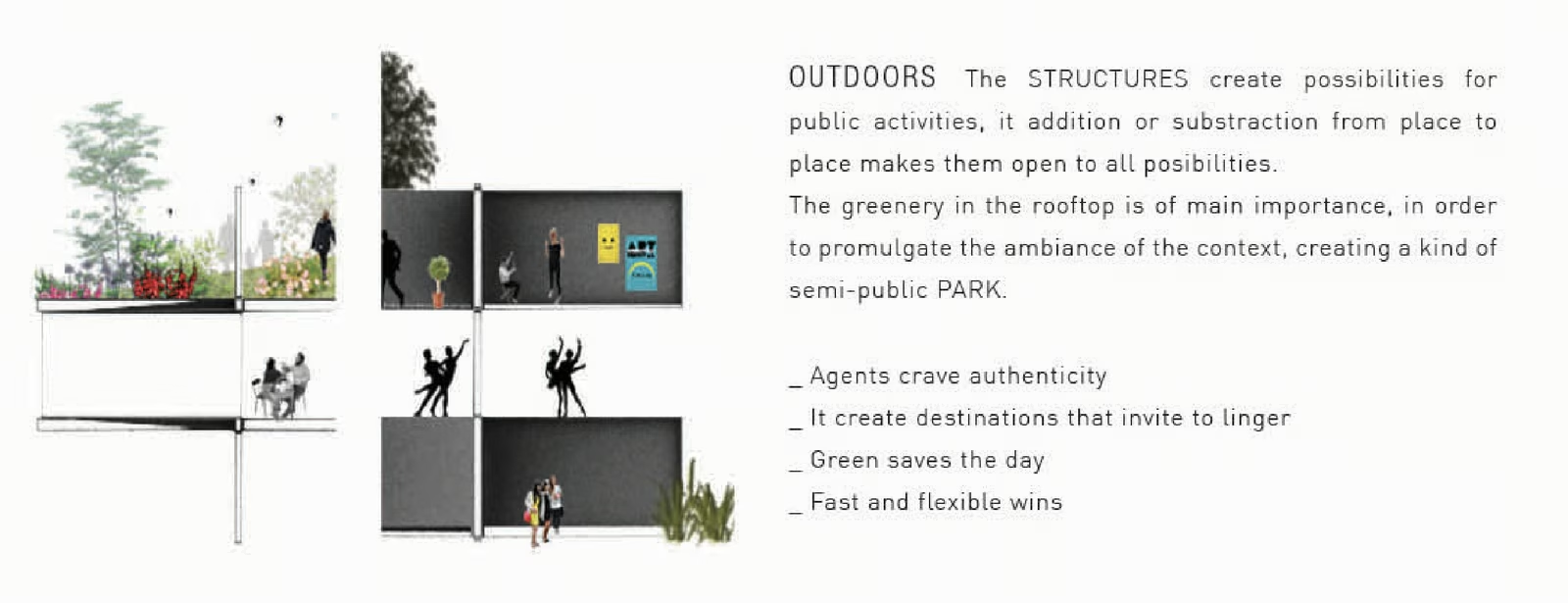
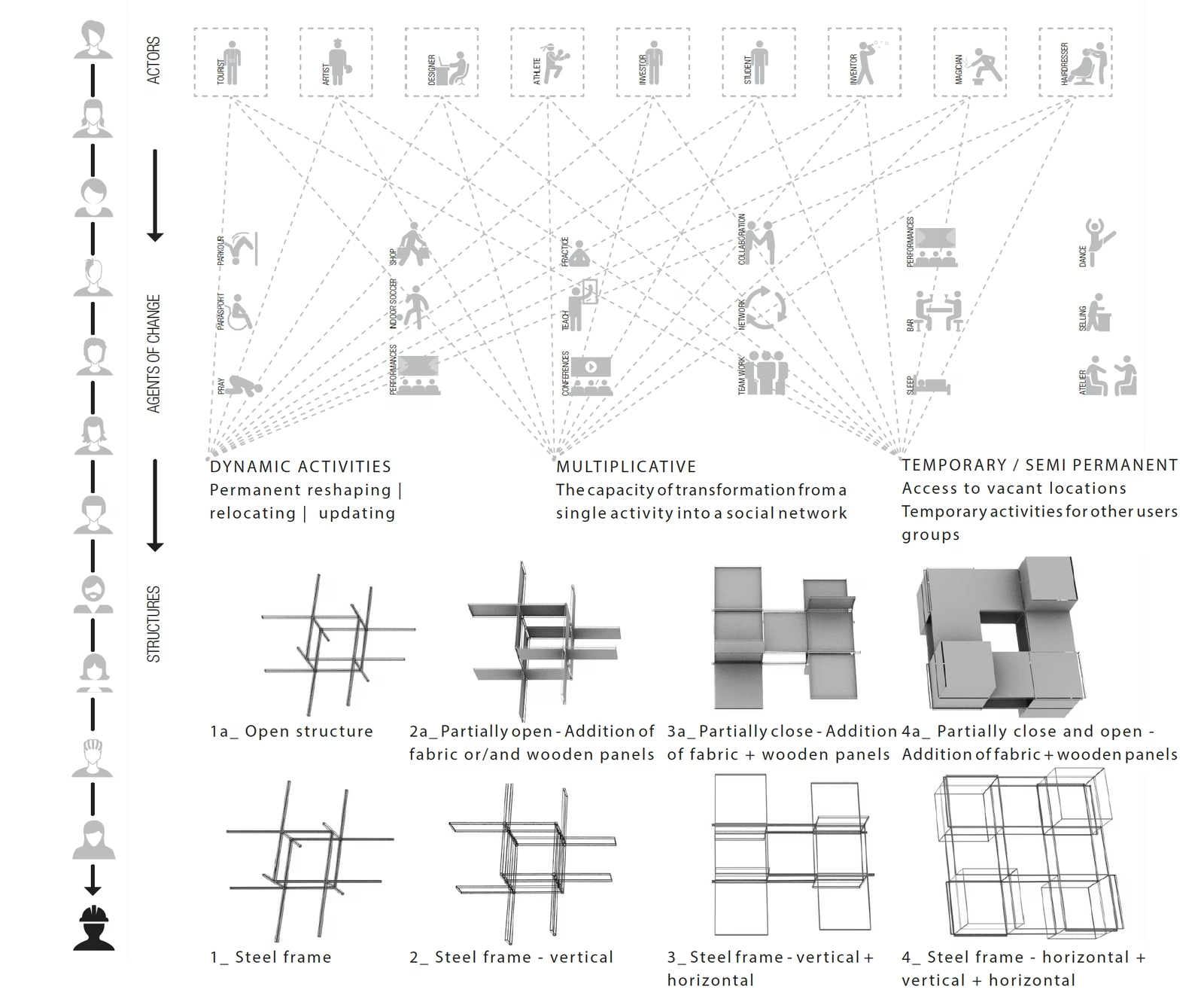
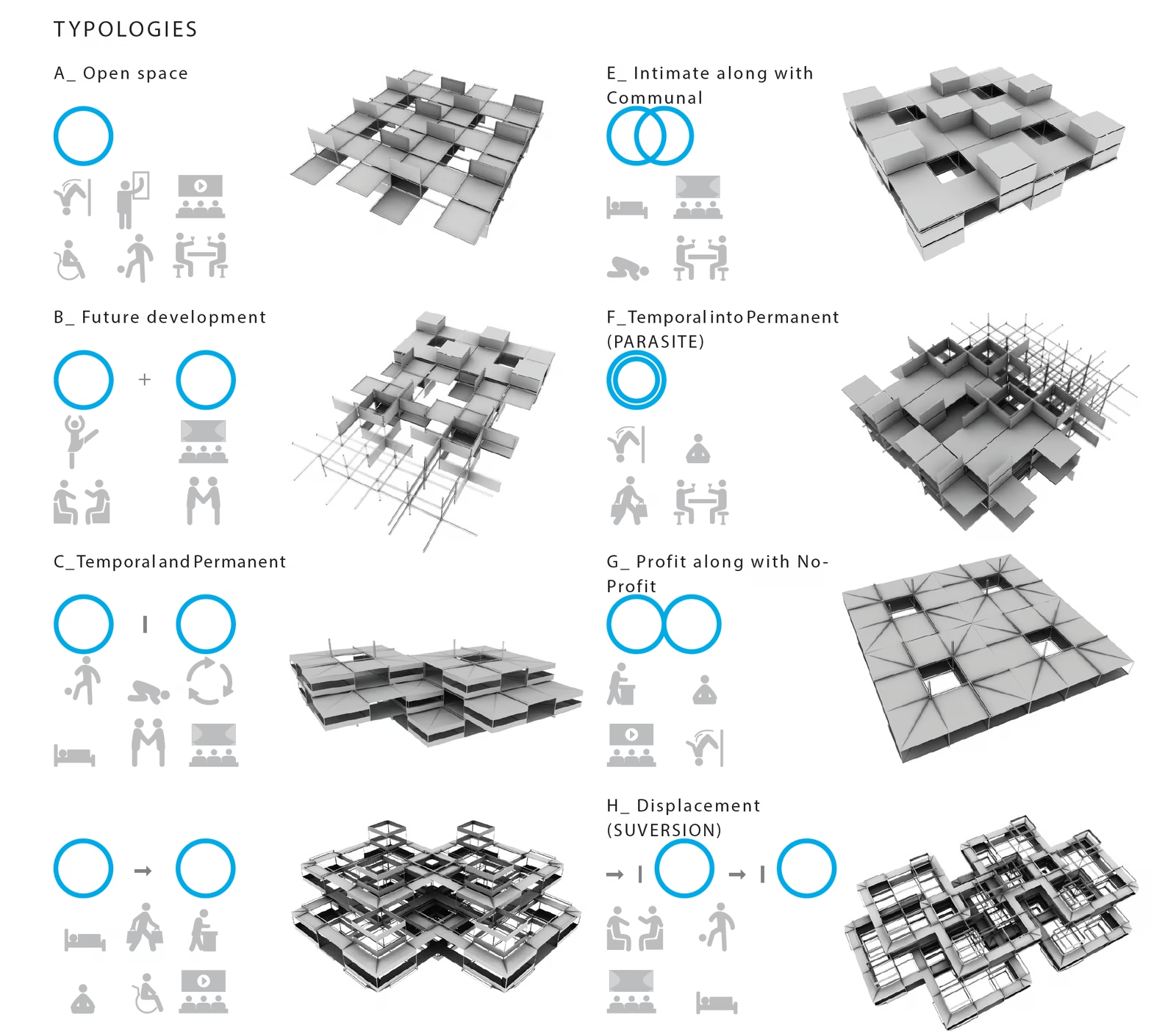
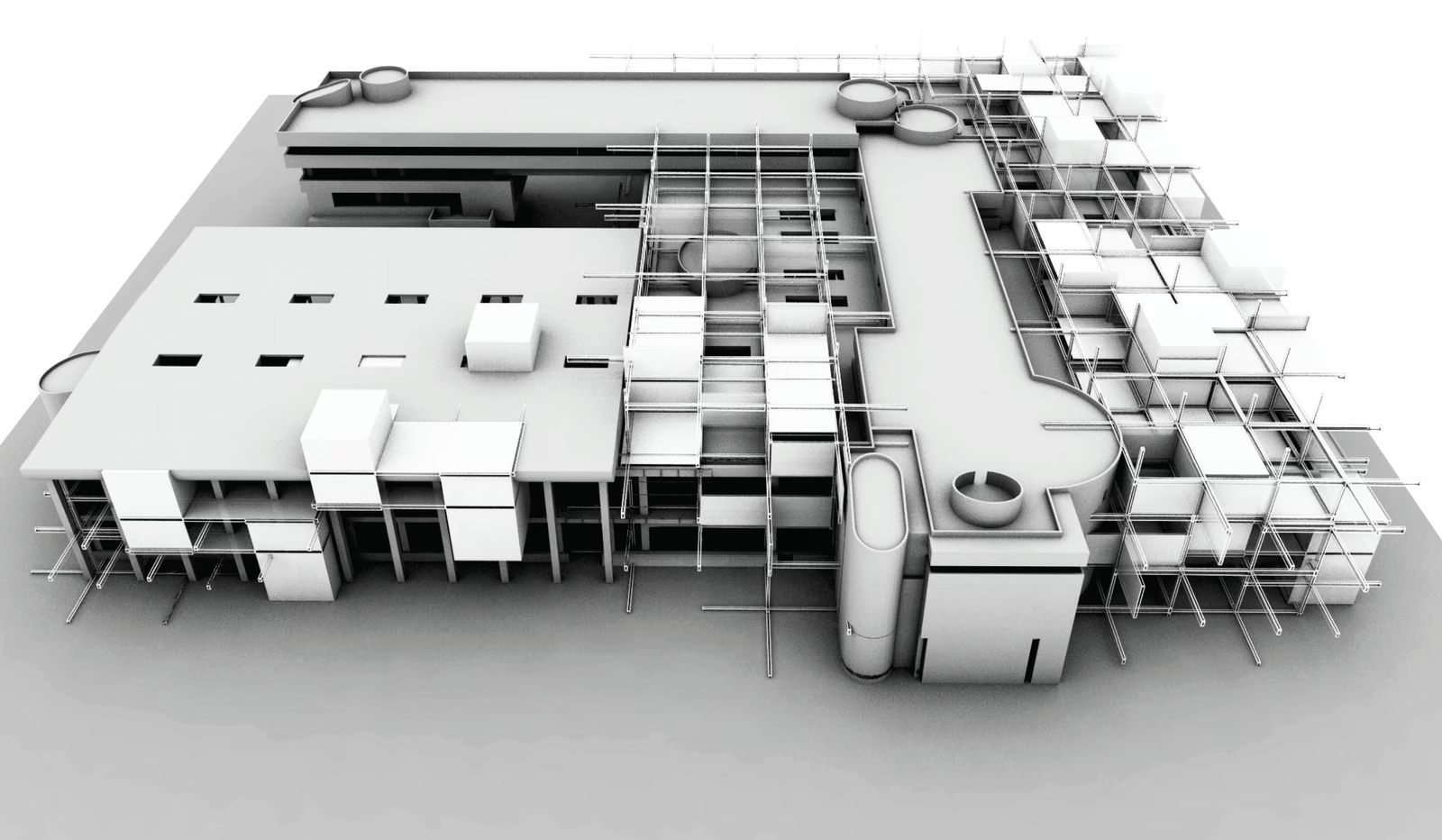
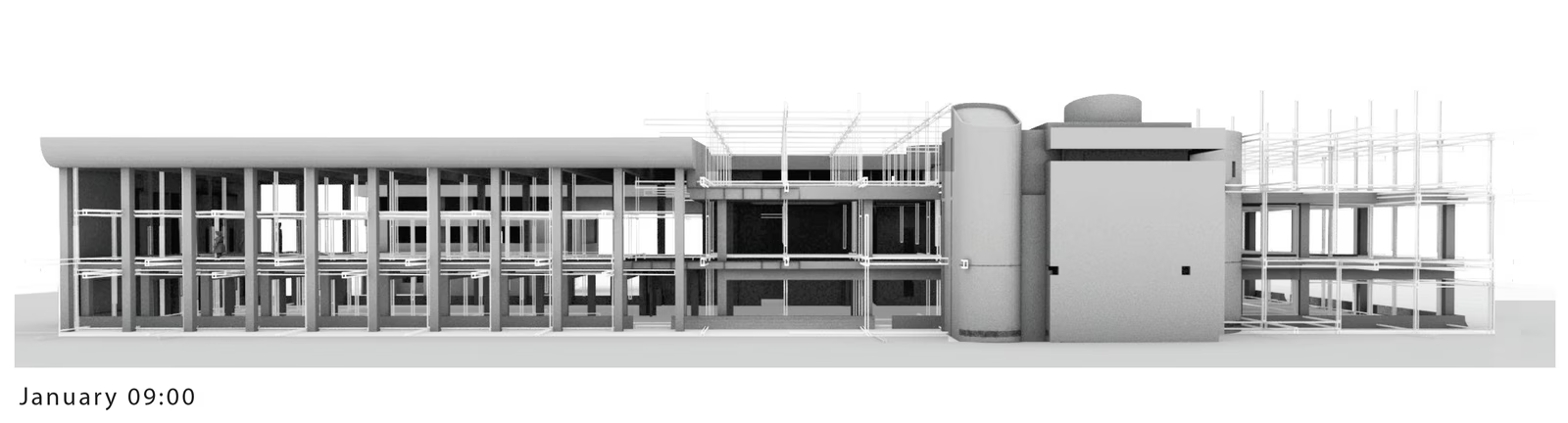
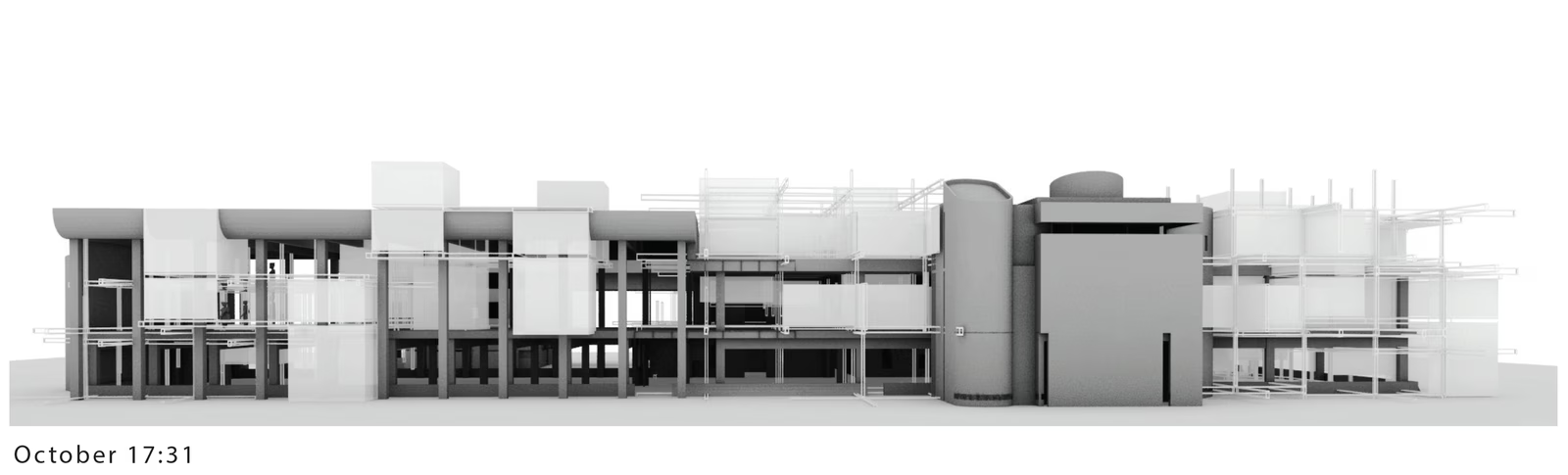
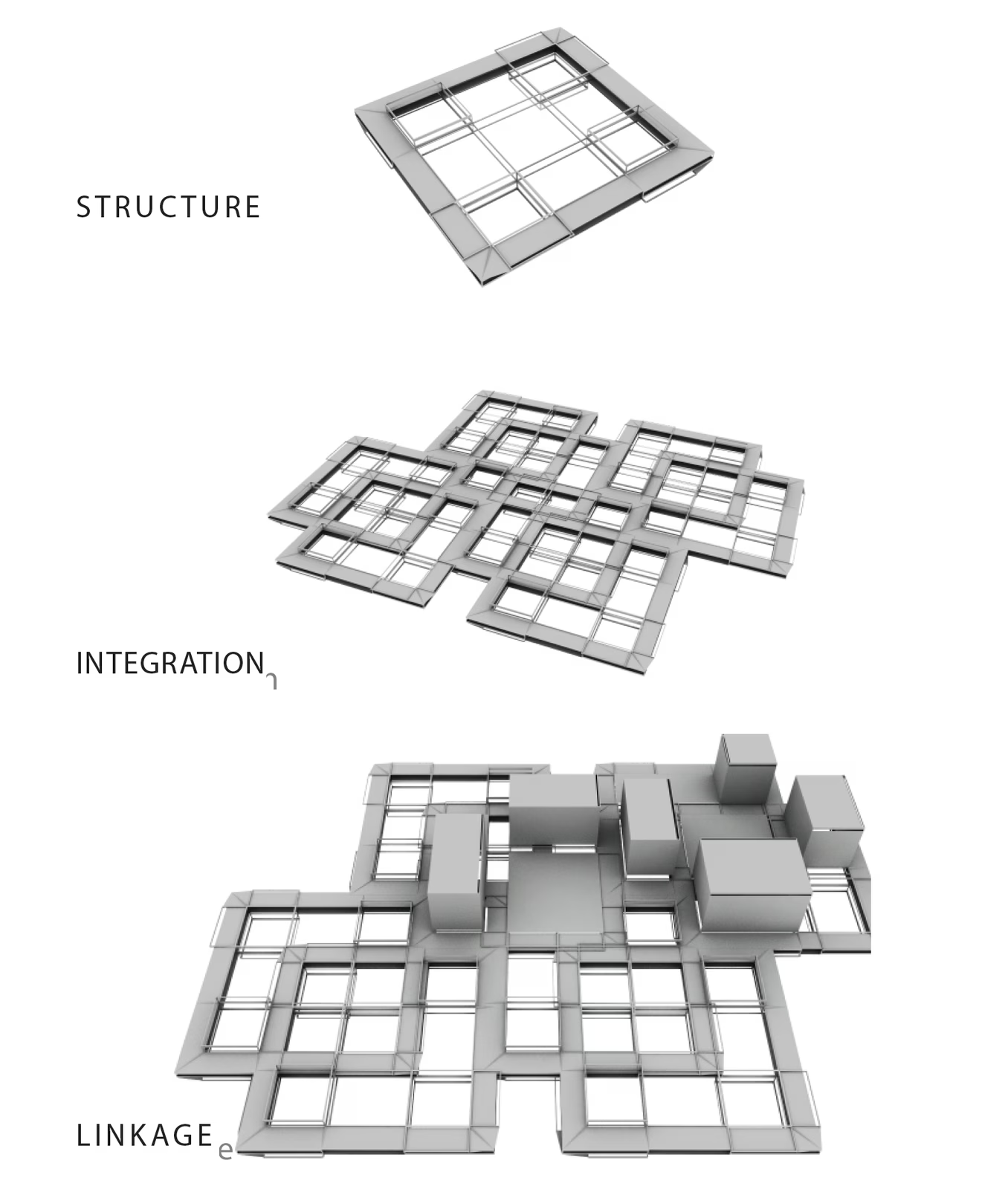
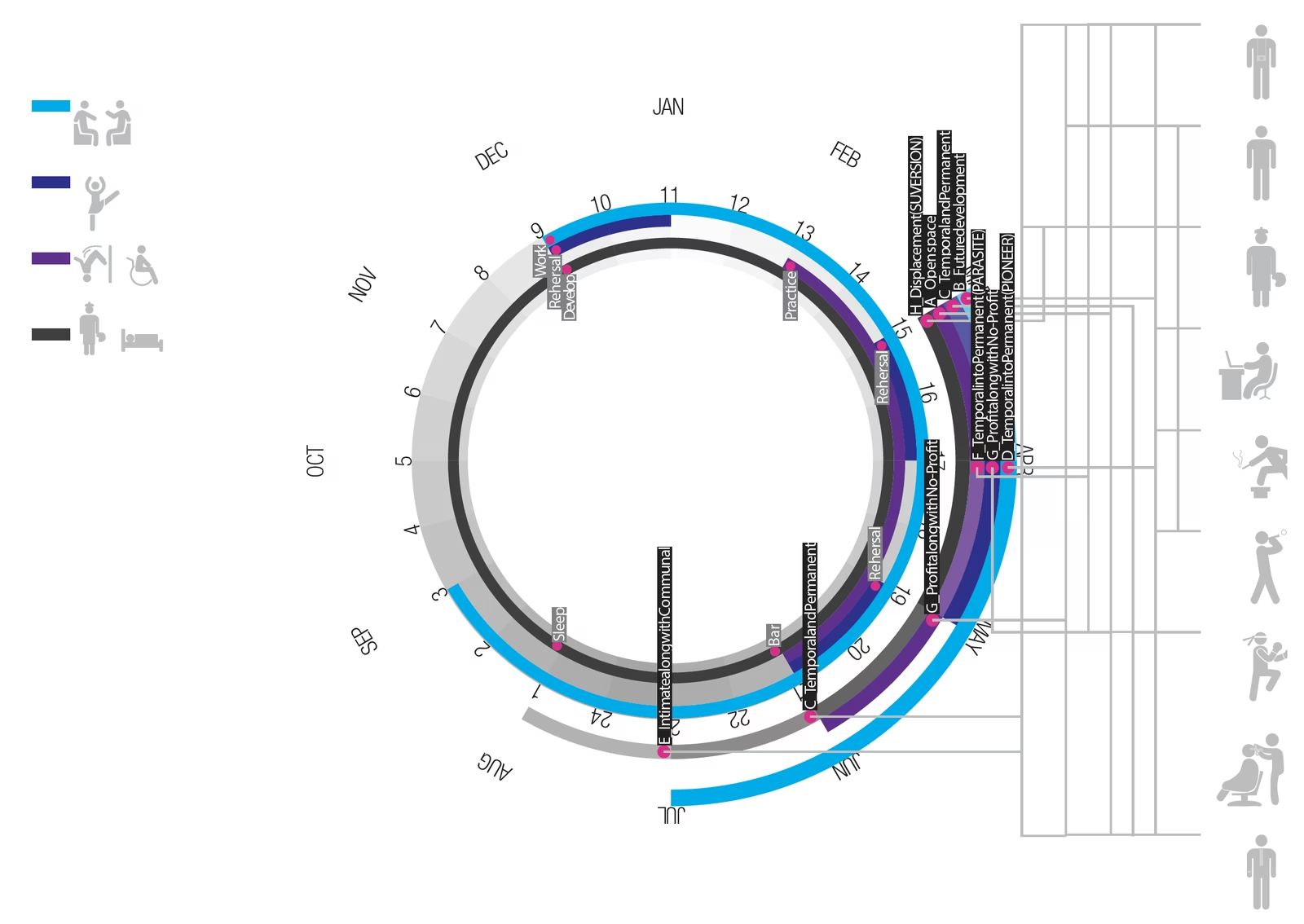
TEMPORARY USE AND ITS IMPACT ON BUILDINGS The post-industrial change in European cities created many social, economic and spatial changes in the urban space. In the last 40 years a radical urban transformation took place and produced unused industrial areas and vacant places. In the industrial Fordist growth model of the past, cities were firmly embedded in the regulatory and redistributive framework of the centralised welfare state. In the transition towards a 'flexible accumulation regime' (Harvey, 1989) operating on a truly global scale, this has become dysfunctional. The temporary use is very much linked to the 'creative industry' and their interest in getting affordable urban space. Temporary uses are often associated with crises, a lack of vision and chaos - yet can become an extremely successful, inclusive and innovative part of contemporary urban culture. [Urban Catalyst Research Team, 2003]Space to Culture Bologna is a competition entry by UNO (Ulloa + Nocker) for the Young Architects programme in Bologna, 2014, proposing the adaptive reuse of a post-industrial factory complex as a multi-typology creative commons. Four spatial typologies - studio, workshop, performance, and market - are distributed through the existing industrial shell, connected by a light steel and fabric circulation system that preserves the industrial logic while creating new spatial relationships. The project engages the European tradition of temporary use in vacant industrial spaces: the creative industry's relationship to affordable urban space as both economic necessity and cultural generator. Young Architects Competition, Bologna. BfNA reading: this project is understood as a case study in movement, orientation, accessibility, safety, social mixing and collective behaviour. It extends beyond architectural production into environmental intelligence / how design decisions can support human adaptation, social responsibility, ecological performance and future evidence-based practice.
[Key Figures]
Typology: urban mixed-use · 2014 · Programme: culture + sport + retail + temporary housing · System: steel + fabric / timber · 4 typologies · Young Architects Competition Bologna
No items found.
[Neural Analysis]
CULTURAL INTERRUPTION: The project treats culture as a neural event: unused space receives new salience through programme, encounter and sensory contrast.
TEMPORARY COMMUNITIES & MENTAL HEALTH [S1][B2]: Ephemeral creative communities in post-industrial spaces reduce social isolation - one of the strongest predictors of depression (WHO, 2023). MacKerron & Mourato (2013): creative activities with others rank in the top 3 positive-affect activities [S1]. ADAPTIVE ENVIRONMENTS [B2]: Spatial flexibility and user control correspond to research on person-environment fit; Yin et al. (2020) show that control over one's immediate environment reduces stress markers [B2]. INDUSTRIAL CONVERSION [B3]: Converting harsh industrial environments with natural light, greenery and acoustic improvement transforms spaces from stress-inducing to restorative [B3][A3]. POST-INDUSTRIAL CREATIVITY & FLOW STATES [S1][B3]: Csikszentmihalyi (1990, Flow): creative making in a supportive community environment generates flow states - the highest form of psychological adaptive functioning. MacKerron & Mourato (2013): arts and creative activities with others consistently rank among the top 3 positive-affect activities. Exposed industrial structure provides "complexity without chaos" - optimal for sustained creative attention (Salingaros, 2015). BfNA neural-sciences lens: the relevant question is not only how the project looks, but how it conditions movement, orientation, accessibility, safety, social mixing and collective behaviour over time, across different bodies, neurotypes and social realities.
[Social Impact]
SOCIAL: Culture is used as a low-threshold mechanism for public belonging and local activation.
[ROI Sustainability]
ROI: Temporary or adaptive cultural use can generate high urban value before heavy capital intervention.
ROI: Temporary use proves land value without full development investment - a low-risk activation strategy. Creative industry tenants attract footfall and cultural economy. SUSTAINABILITY: Reuse of industrial structures avoids demolition; adaptable system can be relocated or upcycled. CREATIVE ECONOMY ROI: Italian creative industries generate €95B/yr (Fondazione Symbola, 2023). Bologna prime creative district rents: €80-150/m2/yr (CBRE Italy, 2023). Reuse of existing structure: 60-70% embodied carbon savings vs new build. ESG / investment lens: the value of this project is not limited to carbon or certification. It includes public value, climate adaptation, inclusion and civic resilience, producing evidence that can inform investors, public actors, operators and future environmental standards.
[Applied R&D Lens]
Track attendance, dwell, social mix and memory markers before and after cultural activation.
Creative flow states are among the most measurable psychological conditions in applied neural science. BfNA's Applied R&D would deploy Csikszentmihalyi's Experience Sampling Method across Space to Culture's creative community - tracking flow state frequency, social contact quality, and cortisol variation across the four programme typologies (studio, workshop, performance, market). The post-industrial spatial environment provides the variable: measuring the neural impact of industrial spatial scale, exposed structure, and acoustic character on creative performance and social bonding. Does making things together, in a space that remembers making, produce measurably more flow?Future data layer: deployed through BfNA, the project could become a longitudinal dataset linking environmental conditions, behavioural patterns, social outcomes and ecological performance / transforming built space into knowledge for future design.
Citations:
Sources: MacKerron & Mourato (2013) Psychol. Sci. · Csikszentmihalyi (1990) Flow · Salingaros (2015) Biophilic Urbanism · Fondazione Symbola (2023) Italian creative economy. · Adaptive reuse literature; Derrida disruption; environmental social neuroscience.
Copyright:
Project Credits: UNO = Ulloa + Clemens Nocker; Team: Ulloa + Clemens Nocker.Laura Role: Laura Ulloa - Project Leader / lead responsibility where documented in CV, office records or project archive.Image Credits: © Laura Ulloa / BfNA. Images and third-party material remain.Source: http://futurearchitectureplatform.org.Project Credits & Copyright Notice: Every effort has been made to identify and acknowledge architects, consultants, collaborators, photographers, visualisation studios and other contributors associated with each project. Project descriptions have been rewritten and curated by Bureau for Neural Architecture (BfNA). Architectural works, photographs, renderings, drawings, trademarks and visual material remain the property of their respective authors, studios, photographers, visualisation teams and rights holders. Contributors are credited wherever information is available. Rights remain with their respective authors and rights holders.
© 2026 Bureau for Neural Architecture. Developed by Cavolo Studio.
Privacy Policy & Legal Notice
