



Directed by Laura Ulloa, BfNA explores and designs for the reciprocal dynamics between environments, cognition and collective adaptation.
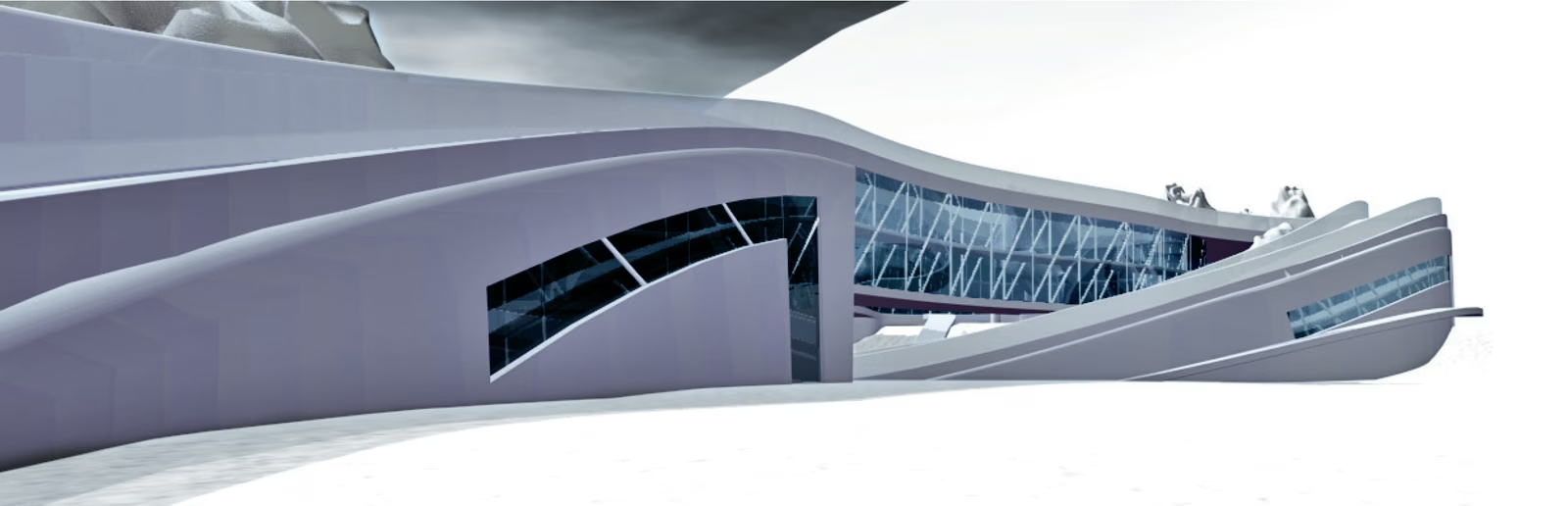

Strömung - Schladming
infrastructure _ therapeutical
Schladming
Austria
Independent therapeutic-infrastructure research / Laura Ulloa
Bachelor's Thesis with Distinction - TU Vienna
Strömung / infrastructure _ therapeutical
[Summary]
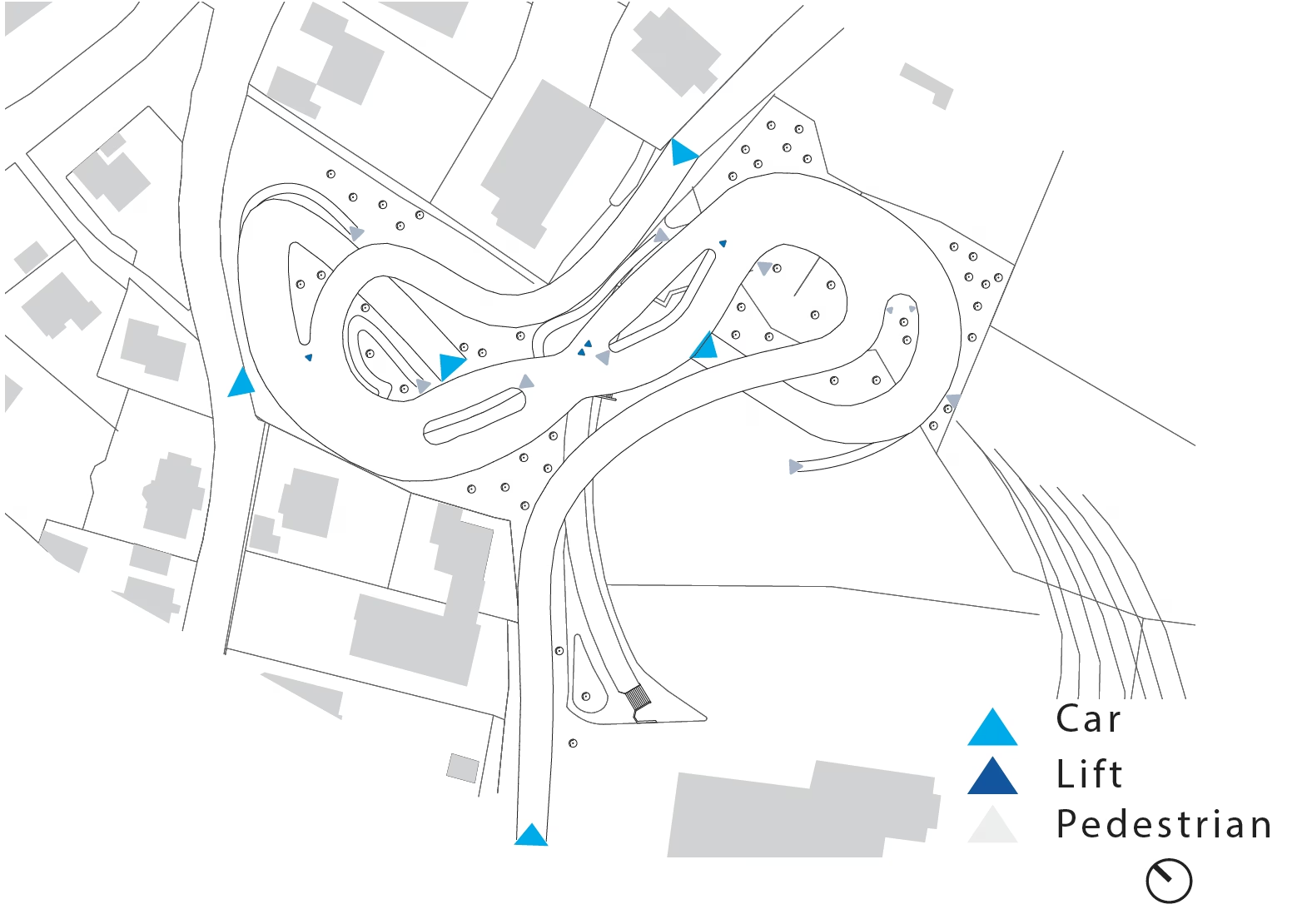
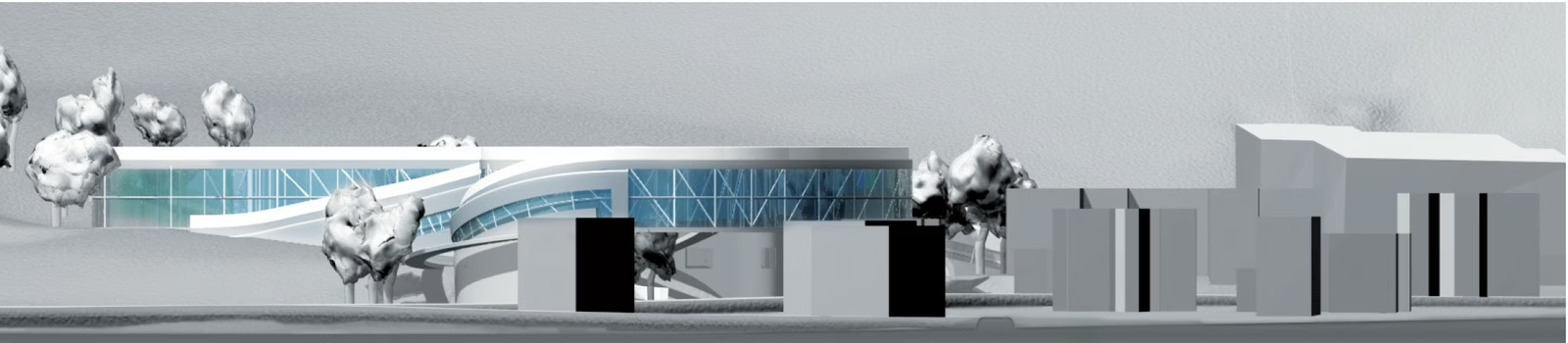
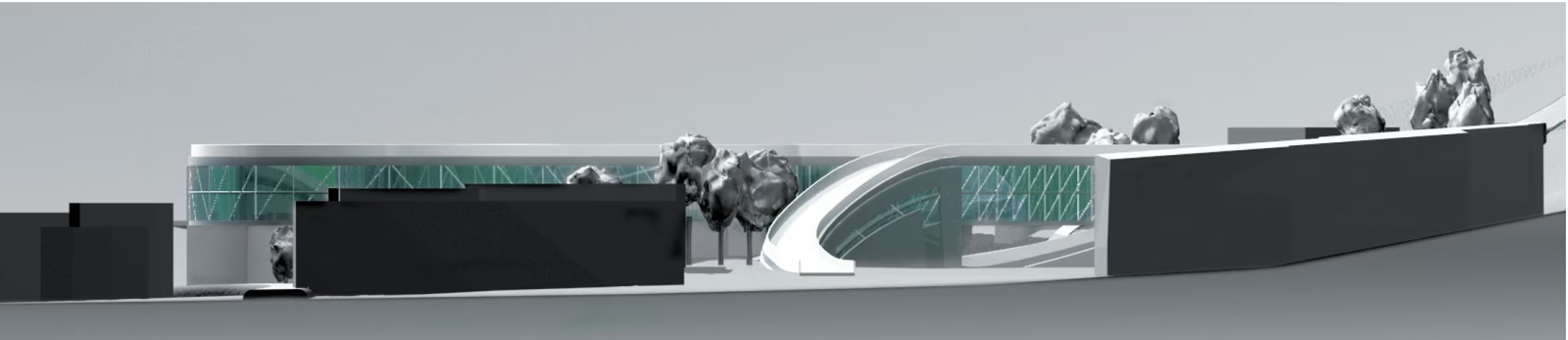
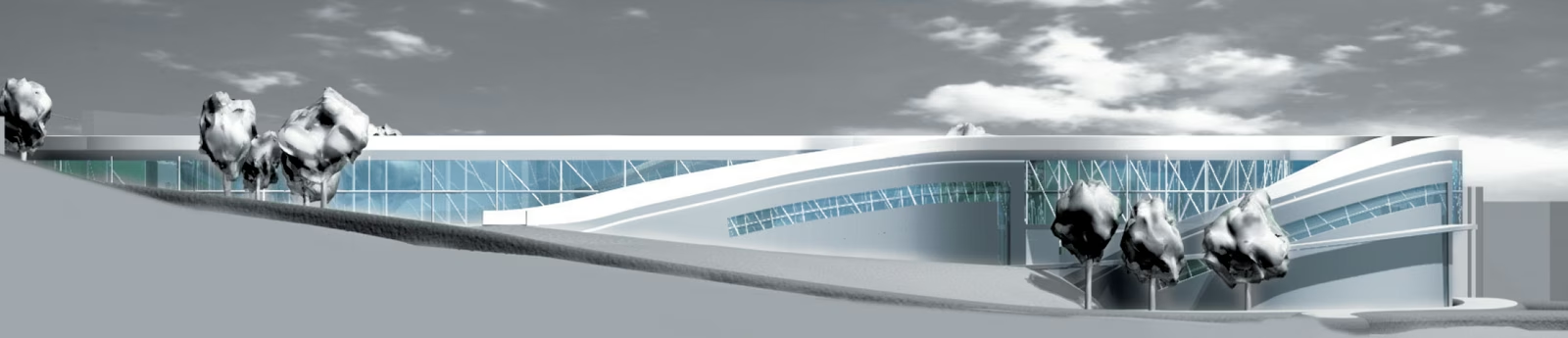
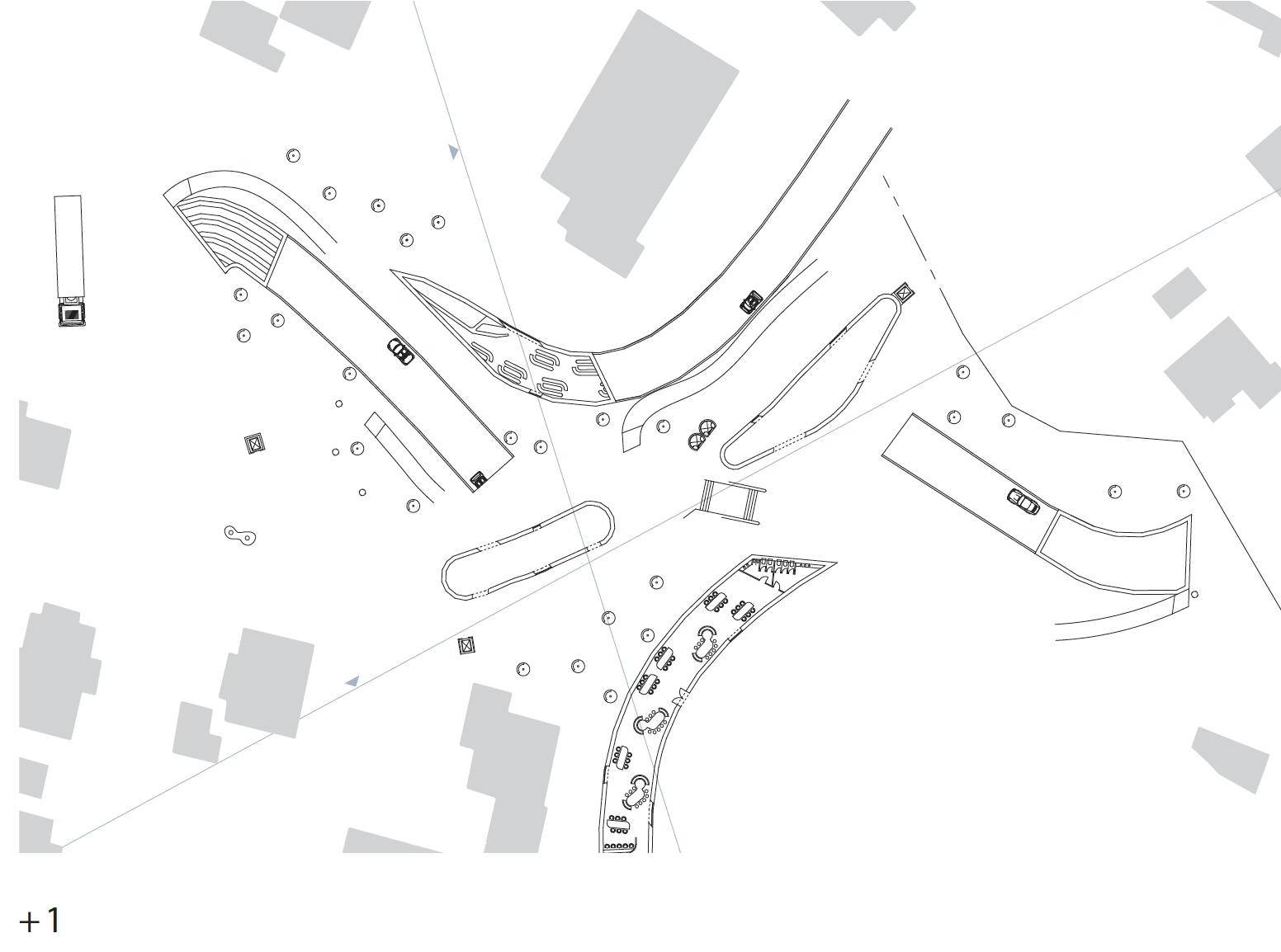
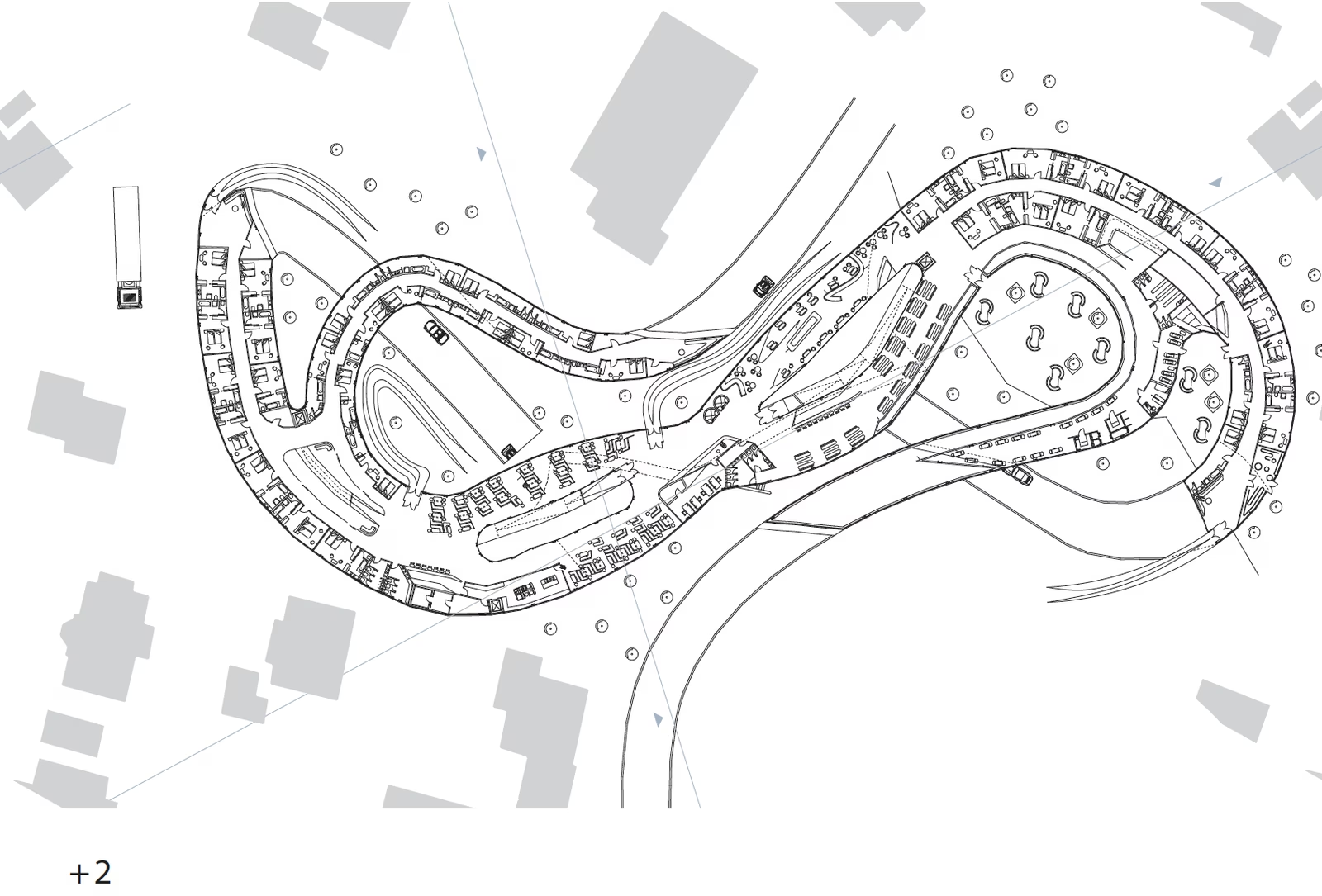
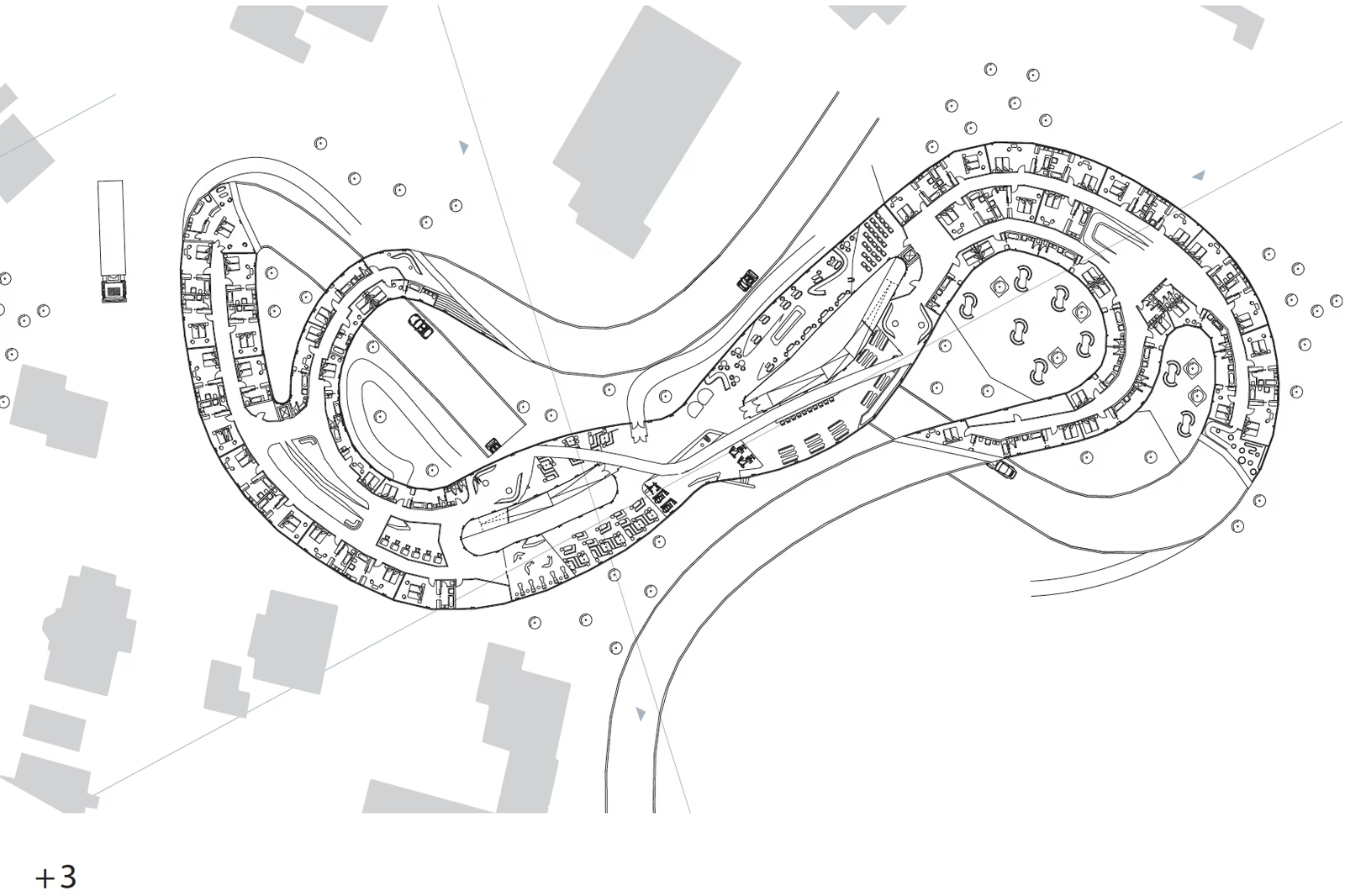
Ski, car and foot in one section / movement systems folded into therapeutic landscape.
[Temporal Arc]
Immediate (proprioceptive novelty - dopamine spike) · Circadian (alpine light across seasons) · Chronic (therapeutic landscape repeated across stays)
[Direction of Effect]
ORIENT (proprioceptive novelty) · ACTIVATE (dopaminergic arousal) · RESTORE (alpine therapeutic landscape)
[Neural Tags]
B3 = Biophilic volume · W1 = Water proximity - Blue Mind · S2 = Collective memory + spatial identity · T2 = Hygroscopic regulation
[Biological System]
Proprioception · Molecular signalling (dopamine) · Autonomic regulation · Interoception
[Description]
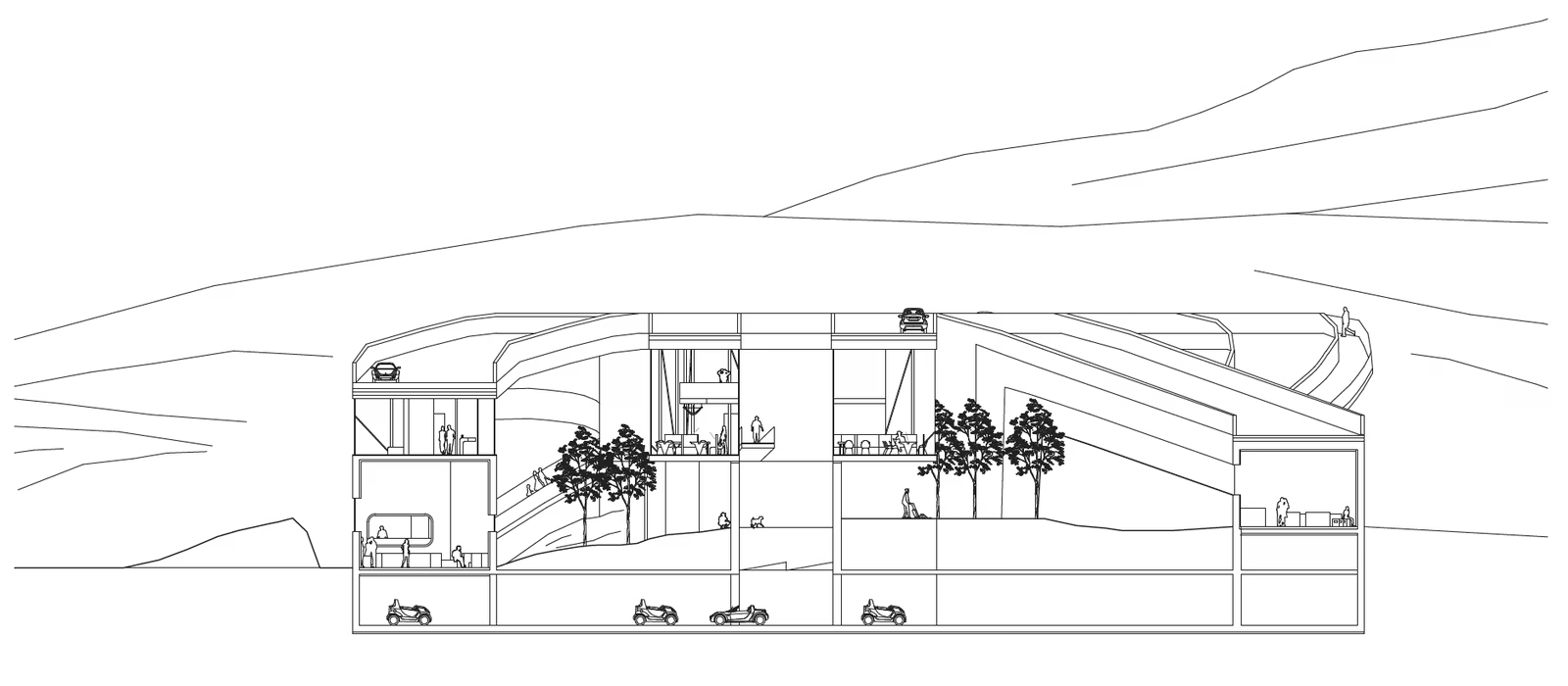
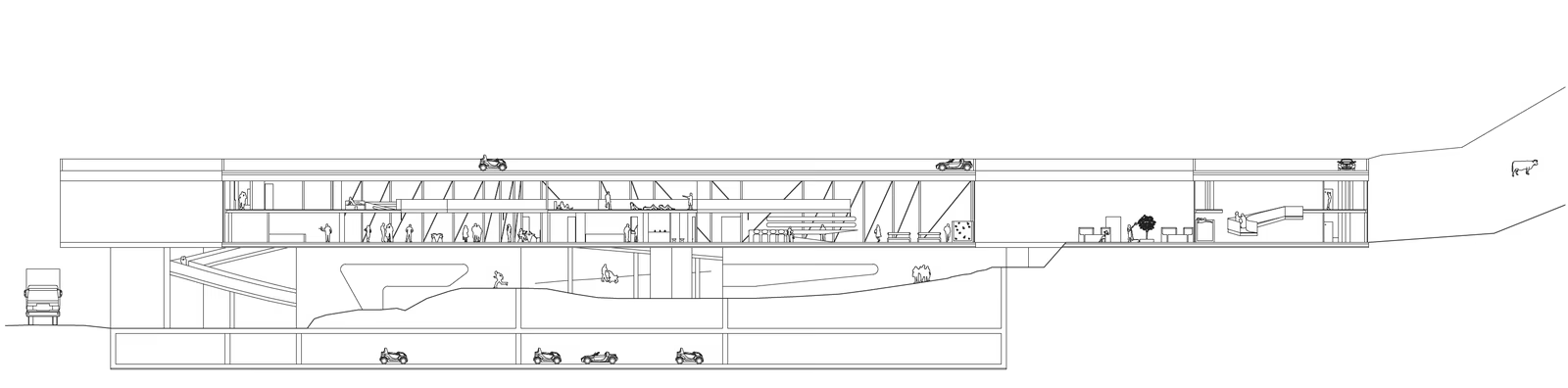
DRIVING ON TOP OF THE HOTEL The whole structure is a hybrid between a hotel and a highway, in the Austrian mountains. Merging with the street, the hotel roof serves as a prolongation of the highway which leads from the city to the town of Schladming, or from the city or town to the underground hotel parking and vice versa. Driving on the hotel, the occupants can glance at the people inside, which serves as advertisement and attracts new visitors, allowing them to experience a reciprocal interaction through this sort of circulation - a totally new type of navigation through a building, by car, on foot or on skis. The building does not have any stairways, only ramps that allow everyone to discover the structure and its movement, creating a new relationship between user and structure, which ought to be always connected. The structure rests 6 metres in the air, with only the static structure touching the ground, allowing free movement beneath.Strömung is a hybrid between a hotel and a highway in the Austrian Alps - a building navigated by car, by ski, and on foot, simultaneously. The hotel roof serves as a prolongation of the highway leading from the city to Schladming; driving on top of the hotel, occupants can observe the people inside, creating a reciprocal interaction through a totally new type of spatial navigation. The building has no stairways - only ramps that allow everyone to discover the structure and its movement, creating a continuous relationship between user and building that is always in motion. The structure rests six metres above the ground on minimal supports. Bachelor's Thesis with Distinction, TU Vienna. ITNOA Award. Schladming, Styria. BfNA reading: this project is understood as a case study in learning, attention, social encounter and environmental dignity. It extends beyond architectural production into environmental intelligence / how design decisions can support human adaptation, social responsibility, ecological performance and future evidence-based practice.
[Key Figures]
Typology: infrastructure _ therapeutical · 2006 · ~5,000 m2 · Programme: hotel + car ramps + rooftop bar · Structure 6 m above ground · Schladming, Styria · Bachelor's Thesis with Distinction

No items found.
[Neural Analysis]
FLOW REGULATION: The project links water, movement and recovery through sensorimotor feedback, exploring how spatial rhythm can support autonomic down-regulation.
KINETIC ARCHITECTURE & PROPRIOCEPTION: Strömung experiments with movement as primary spatial experience - architecture navigated by car, ski or foot simultaneously. Proprioceptive novelty (an unusual bodily experience of space) generates high dopaminergic arousal (Schultz, 1997, J. Neurophysiol.) and episodic memory encoding. VISUAL EXCHANGE [S1]: The mutual gaze between drivers above and hotel guests inside creates a moment of unexpected social contact - a positive surprise response (Ekman, 2003) triggering oxytocin release. ALPINE CONTEXT [B3][W1]: Alpine landscape views from the ramps and rooftop bar activate full Blue Mind + Biophilic response: mountain panoramas scored highest in the Mappiness positive affect dataset for outdoor environments [S1]. PROPRIOCEPTION, DOPAMINE & KINETIC SPACE: Strömung's simultaneous car, ski and pedestrian navigation activates proprioceptive novelty at maximum intensity. Schultz (1997, J. Neurophysiol.): unexpected positive spatial experiences generate dopamine spikes - the neural basis of pleasure and memory encoding. This project is an empirical test of embodied cognition theory (Varela, Thompson & Rosch, 1991, The Embodied Mind): the body doesn't move through space - it thinks through space. BfNA neural-sciences lens: the relevant question is not only how the project looks, but how it conditions learning, attention, social encounter and environmental dignity over time, across different bodies, neurotypes and social realities.
[Social Impact]
SOCIAL: Therapeutic infrastructure is framed as public care rather than medical isolation.
[ROI Sustainability]
ROI: Research value lies in translating recovery principles into spatial and infrastructural prototypes.
ROI: Ski resort architecture; hotel directly connected to ski slope access = premium occupancy rates. SUSTAINABILITY: Structure elevated 6 m preserves the ground plane - ecological continuity maintained beneath the building footprint. AWARDED & EXHIBITED: ITNOA Award - the most relevant prize for this body of work. Ski resort hotel architecture: 70-80% annual occupancy rates in Austrian alpine destinations. Direct ski slope access: 30-40% room rate premium. ESG / investment lens: the value of this project is not limited to carbon or certification. It includes education outcomes, cognitive equity and long-term institutional value, producing evidence that can inform investors, public actors, operators and future environmental standards.
[Applied R&D Lens]
Study movement tempo, water sound, body orientation and recovery states within therapeutic sequences.
Strömung is the purest proprioceptive neural science experiment in this portfolio. BfNA's Applied R&D would deploy dopaminergic arousal measurement - pupillometry and galvanic skin response - across the building's three navigation modes (car, ski, foot), tracking the novelty response at each spatial discovery point: the ramp junction, the programme overlap, the moment of reciprocal visibility between driver and hotel guest. Schultz's dopamine measurement protocol provides the framework: the moment of unexpected positive spatial experience as a neurochemical event, now mapped onto a building's spatial sequence. The building that thinks through movement. The instrument that measures what movement thinks.Future data layer: deployed through BfNA, the project could become a longitudinal dataset linking environmental conditions, behavioural patterns, social outcomes and ecological performance / transforming built space into knowledge for future design.
Citations:
Sources: Schultz (1997) J. Neurophysiol. dopamine novelty · Varela, Thompson & Rosch (1991) The Embodied Mind · Dietrich (2003) Trends Cogn. Sci. transient hypofrontality · Nichols (2014) Blue Mind. · Rehabilitation neuroscience; blue-space adaptive functioning; TU Wien project archive.
Copyright:
Project Credits: Independent therapeutic-infrastructure research / Laura Ulloa; Team: team to be confirmed.Laura Role: Laura Ulloa - Project Leader / lead responsibility where documented in CV, office records or project archive.Image Credits: © Laura Ulloa / BfNA. Images and third-party material remain.Source: http://lauravirginiaulloaquiroga.blogspot.in/p/stromung.html.Project Credits & Copyright Notice: Every effort has been made to identify and acknowledge architects, consultants, collaborators, photographers, visualisation studios and other contributors associated with each project. Project descriptions have been rewritten and curated by Bureau for Neural Architecture (BfNA). Architectural works, photographs, renderings, drawings, trademarks and visual material remain the property of their respective authors, studios, photographers, visualisation teams and rights holders. Contributors are credited wherever information is available. Rights remain with their respective authors and rights holders.
© 2026 Bureau for Neural Architecture. Developed by Cavolo Studio.
Privacy Policy & Legal Notice
